
Cooking Class Value Calculator
Is that $120 ticket worth it? Enter your local rates and class details to see if you're paying for premium ingredients, expert instruction, or just overhead.
Verdict
Ready to Analyze
Fill in the form on the left to see if your cooking class is priced fairly based on ingredient quality and time efficiency.
You stare at the price tag on a local cooking class website. It’s $120 for three hours. You hesitate. Is that just a fancy way to learn how to chop an onion and boil pasta? Or is there actual value hidden in that steep number? If you’ve ever felt sticker shock while browsing culinary workshops, you aren’t alone. The question isn’t really "are they expensive?" but rather, "what exactly am I paying for?"
The Hidden Costs Behind the Ticket Price
When you buy a ticket to a concert, you’re mostly paying for the artist’s time and the venue. With cooking classes, the economics are trickier. You aren’t just buying instruction; you’re buying ingredients, equipment wear-and-tear, insurance, and often, a meal. Let’s break down where your money actually goes.
| Cost Component | Estimated Percentage | Why It Matters |
|---|---|---|
| Ingredients | 30-40% | High-quality produce, proteins, and specialty items (like saffron or truffle oil) drive this up. |
| Instructor Fees | 25-30% | Professional chefs command high hourly rates due to their training and reputation. |
| Venue & Equipment | 20% | Renting commercial kitchens, maintaining knives, and replacing broken plates adds overhead. |
| Admin & Marketing | 10-15% | Booking platforms, insurance, and advertising costs are baked into the final price. |
See that ingredient line? That’s the big one. If you’re making a beef bourguignon, the chef might use $40 worth of wine and beef per person. If you tried to replicate that at home for two people, you’d spend similar amounts. But here, you’re also getting someone to teach you technique. So, when you strip away the food cost, are you really paying $80 for two hours of teaching? Maybe. But let’s look closer.
DIY vs. Structured Learning: The Time Tax
Sure, you can watch a YouTube video for free. Why pay $150 when Chef John is on screen for zero dollars? The answer lies in feedback loops. In a home kitchen, if you over-salt your soup, you don’t know until it’s too late. In a class, an instructor catches that mistake before it ruins dinner.
Think about the time investment. To master a complex dish like handmade ravioli via self-teaching, you might need five failed attempts. Each attempt costs you time shopping, prepping, cooking, and cleaning. A structured class condenses that learning curve. You get the "aha!" moment immediately because the teacher corrects your hand position or heat control in real-time. That efficiency has value. If your time is worth $50 an hour, saving yourself three hours of frustration pays for half the class right there.
Not All Classes Are Created Equal
One reason prices vary wildly is the type of experience you’re buying. There’s a massive difference between a demonstration-style workshop and a hands-on intensive.
- Demonstration Classes: You watch, maybe taste samples. These are cheaper ($50-$80) because labor and cleanup are lower. You’re essentially paying for entertainment and inspiration.
- Hands-On Workshops: You cook everything. Prices jump ($100-$200+) because you’re using premium tools, consuming full meals, and requiring more staff-to-student ratios for safety.
- Specialty Courses: Sourdough baking, sushi rolling, or French pastry. These often cost more ($150-$300) because the techniques are niche, the ingredients are specialized, and the skill transfer is higher.
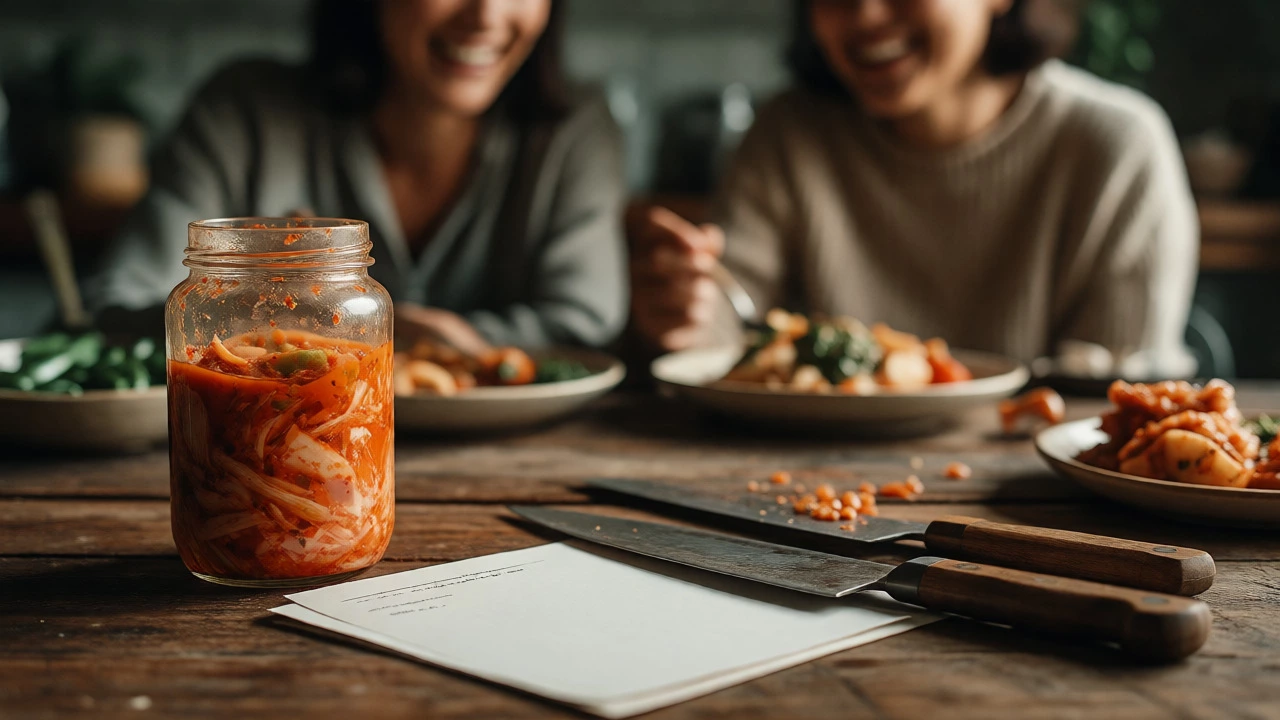
If you’re paying $200 for a class where you only watch the chef make a stir-fry, you’re being ripped off. But if you’re paying $200 to leave with a jar of homemade kimchi, a deep understanding of fermentation, and a new social circle, that’s different. Always check the ratio of active work to passive listening before you book.

The Social and Psychological Dividend
We often forget that humans are social creatures. For many, a cooking class isn’t just about food; it’s a date night alternative or a team-building exercise. Compare a $150 class to a $150 dinner out. At dinner, you eat, talk, and leave. In a class, you collaborate, laugh at mistakes, and share a tangible accomplishment. This shared vulnerability-burning garlic together, struggling with dough-creates stronger bonds than sitting across from each other eating risotto.
There’s also the confidence boost. Walking into a grocery store knowing exactly which fish to pick, or feeling comfortable improvising a sauce without a recipe, changes your relationship with food. That autonomy reduces stress and improves daily health decisions. Can you put a price tag on not dreading weeknight dinners? Probably not, but it’s worth noting.
How to Spot Overpriced Gimmicks
Some businesses charge a premium simply because they can. How do you tell if a class is fair? Look for these red flags:
- Vague Menus: If the menu says "Seasonal Veggies," ask what they are. High-end classes specify exact dishes so you know the ingredient value.
- No Takeaways: Good classes usually let you take home leftovers, recipes, or sometimes even a prepared component (like dough). If you leave with nothing but a memory, the value drops.
- Crowded Kitchens: More than 12-15 students per instructor means less personal attention. You’re paying for access to the teacher, not just the room.
Conversely, look for transparency. Reputable providers list allergens, portion sizes, and what you’ll actually be doing. They don’t hide behind marketing fluff like "culinary journey." They say "You will make three types of pasta from scratch." Specificity signals honesty.
Regional Variations and Local Context
Where you live impacts the price significantly. In major hubs like New York or London, rent drives costs up. A basic class might start at $150. In smaller cities or regions with lower overhead, like parts of the Midwest US or rural Europe, you might find quality classes for $70-$90.
Here in Wellington, for example, we see a mix. Because NZ imports many specialty ingredients, a Thai curry class might be pricier than expected due to the cost of fresh lemongrass or kaffir lime leaves. However, local sourcing of seafood and lamb keeps meat-based classes competitive. Always compare local ingredient costs against the ticket price. If the class uses locally abundant produce, the price should reflect that savings.
Making the Most of Your Investment
If you decide the price is justified, maximize your return. Don’t just show up and follow steps. Ask questions. Why is the oil heated to this temperature? What happens if I substitute this herb? Engage with the instructor. Their expertise is the most valuable part of the transaction.
Also, practice within 48 hours. Skills fade fast. Recreating the dish at home cements the muscle memory and proves whether the technique was truly taught well. If you can’t replicate it, give feedback. Did the class oversimplify? Was the timing unrealistic? This turns a one-off expense into a long-term skill upgrade.
Is it cheaper to take a cooking class than to hire a private chef?
Yes, significantly. Hiring a private chef for a single meal typically costs $50-$100+ per person plus ingredients. A group cooking class averages $80-$150 total, including the meal you eat and the skills you gain. Private chefs offer service; classes offer education.
Do online cooking classes cost less than in-person ones?
Generally, yes. Online classes range from $20-$60 because there’s no venue rental or physical ingredient provision. However, you must buy your own groceries. While the upfront cost is lower, the lack of immediate feedback and the hassle of shopping can reduce the overall value for beginners.
What is the average cost per hour for a professional cooking class?
In most Western countries, expect to pay $30-$60 per hour. A standard 3-hour class costing $120 falls squarely in this range. Anything below $25/hour may indicate large class sizes or low-quality ingredients, while anything above $75/hour should promise small groups, celebrity instructors, or luxury settings.
Are gift certificates for cooking classes good value?
They can be, but watch for expiration dates and booking restrictions. Many studios offer discounts on bulk purchases or seasonal sales. However, if the recipient hates public speaking or group settings, the rigid structure of a class might feel like a chore rather than a gift. Consider their personality first.
Can I deduct cooking class fees on my taxes?
Usually no, unless the class is directly related to your business profession (e.g., a food blogger taking a photography-focused plating course). For general hobbyists, it’s considered personal entertainment or education, which is rarely tax-deductible in most jurisdictions.