Escape Room Safety & Mechanics Quiz
Are you ready for your first escape room? Test your understanding of the safety features and mechanics described in the article.
Which type of lock is most common in modern high-end venues because it integrates seamlessly with gameplay (e.g., opening when power is cut)?
According to fire codes, what is required for any space used for public assembly like an escape room?
What happens to most fail-safe locks if the power goes out during a game?
How can players typically signal they need to leave mid-game without waiting for the timer?
What is a recommended strategy for managing situational claustrophobia inside the room?
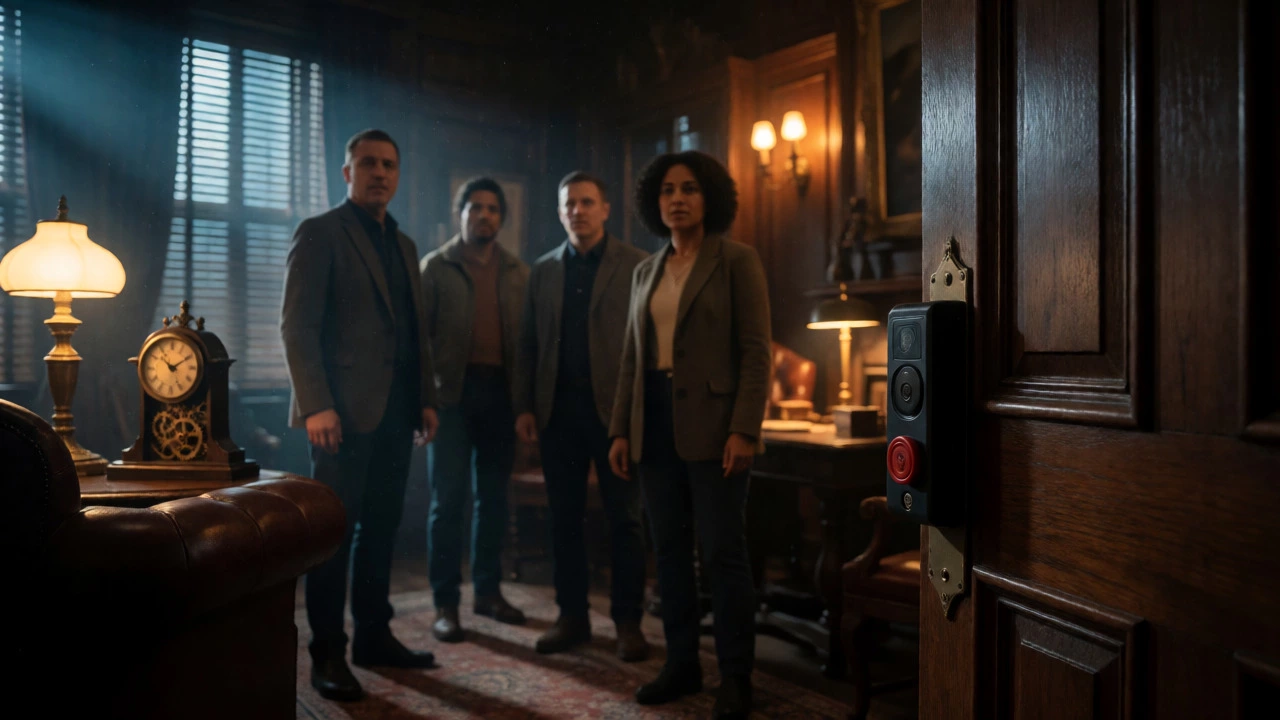
You’re standing in a dimly lit Victorian study. The clock on the wall ticks loudly, counting down your final minutes. Suddenly, panic sets in: are you actually trapped? Can you just open the door and walk out if things get too intense? This is one of the most common fears people have before booking their first game. The short answer is no, you are not imprisoned in a literal sense, but the experience is designed to make you feel that way. Understanding how these venues balance immersion with safety can help you enjoy the thrill without the anxiety.
The Mechanics of the "Lock"
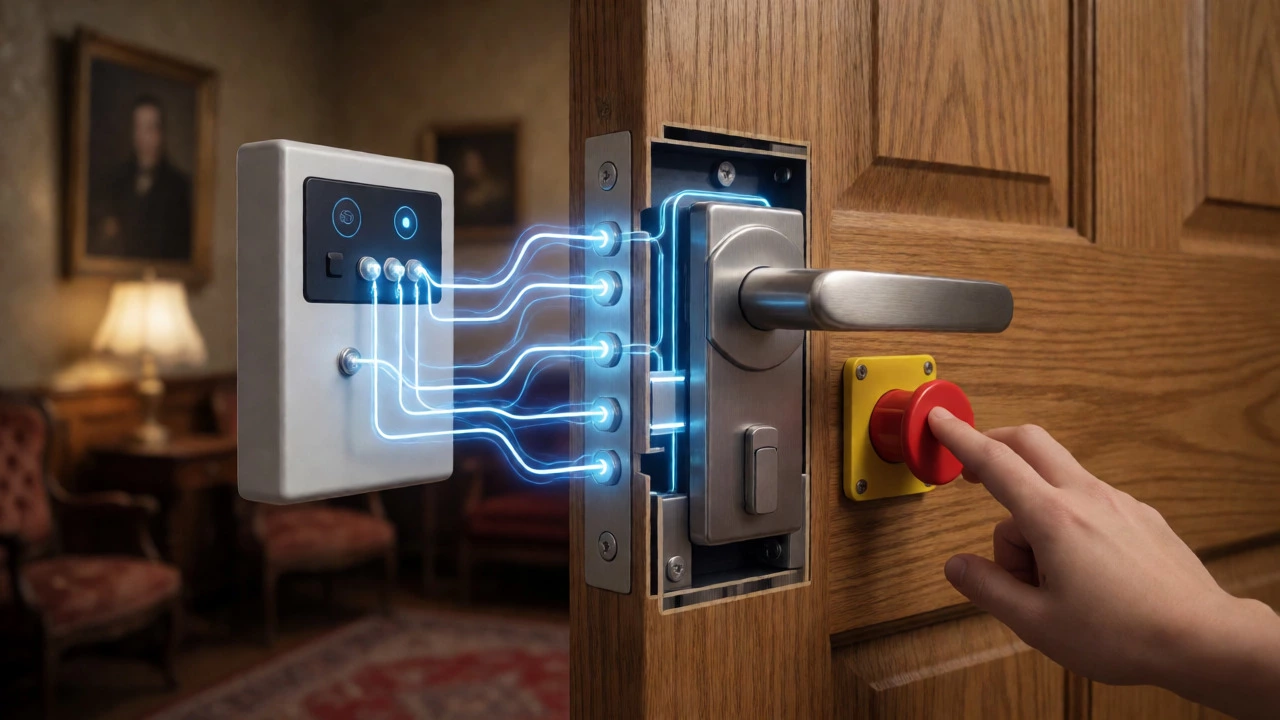
When you enter an escape room, the main door often closes and may even click shut. This sound effect is crucial for immersion. It signals that the game has begun and that you need to focus. However, this lock is rarely a deadbolt that requires a key from the outside to open. In most modern facilities, the door uses an electronic mag-lock or a smart latch system. These systems are connected to a central control panel managed by the game master. If you press the emergency button inside the room, or if the game master triggers it remotely, the lock disengages instantly.
Think of it like an elevator door. When it’s closed, it feels secure, but there is always a mechanism to override it. The difference here is that the override is usually automated for emergencies or manual via a request button for comfort breaks. You aren’t relying on someone finding a physical key; you are relying on electrical circuits that fail-safe into an open position during power cuts.
Safety Regulations and Fire Codes
Venues cannot legally operate if they truly trap customers in a way that violates fire codes. Most countries have strict regulations regarding occupancy limits and egress paths. For example, in the United States, the National Fire Protection Association (NFPA) standards require that any space used for public assembly must have a clear means of egress. If an escape room were genuinely locked with no internal release, it would likely fail inspection unless it had a secondary exit route, which is rare due to space constraints.
Therefore, the primary exit-the door you entered through-is almost always equipped with an internal release mechanism. This might be a simple push-bar, a handle that turns freely when the game isn't actively locking it, or a clearly marked emergency stop button. Game masters are trained to check these mechanisms before every session. They know that a stuck door isn’t just an inconvenience; it’s a liability nightmare.
Dealing with Claustrophobia and Anxiety
Even knowing the door opens, some players still feel a tightening in their chest. This is a psychological response to confinement, known as situational claustrophobia. The dark lighting, the ticking clock, and the social pressure to perform can amplify this feeling. Here is how you can manage it:
- Pre-game briefing: Ask specific questions about the exit mechanism. Knowing exactly how to open the door (e.g., "press the red button") gives you a sense of control.
- Positioning: Stay near the entrance if possible. Being physically close to the exit reduces the perceived distance between you and freedom.
- Communication: Tell your team if you start feeling overwhelmed. A quick break in the hallway can reset your stress levels.
It is also worth noting that many venues offer "open-door" policies for younger children or anxious players. This means the main door remains unlocked throughout the game. While this removes the suspense of being "trapped," it significantly lowers the intensity. Check with your local venue if this option is available, as it varies by operator.
What Happens If You Want to Leave Mid-Game?
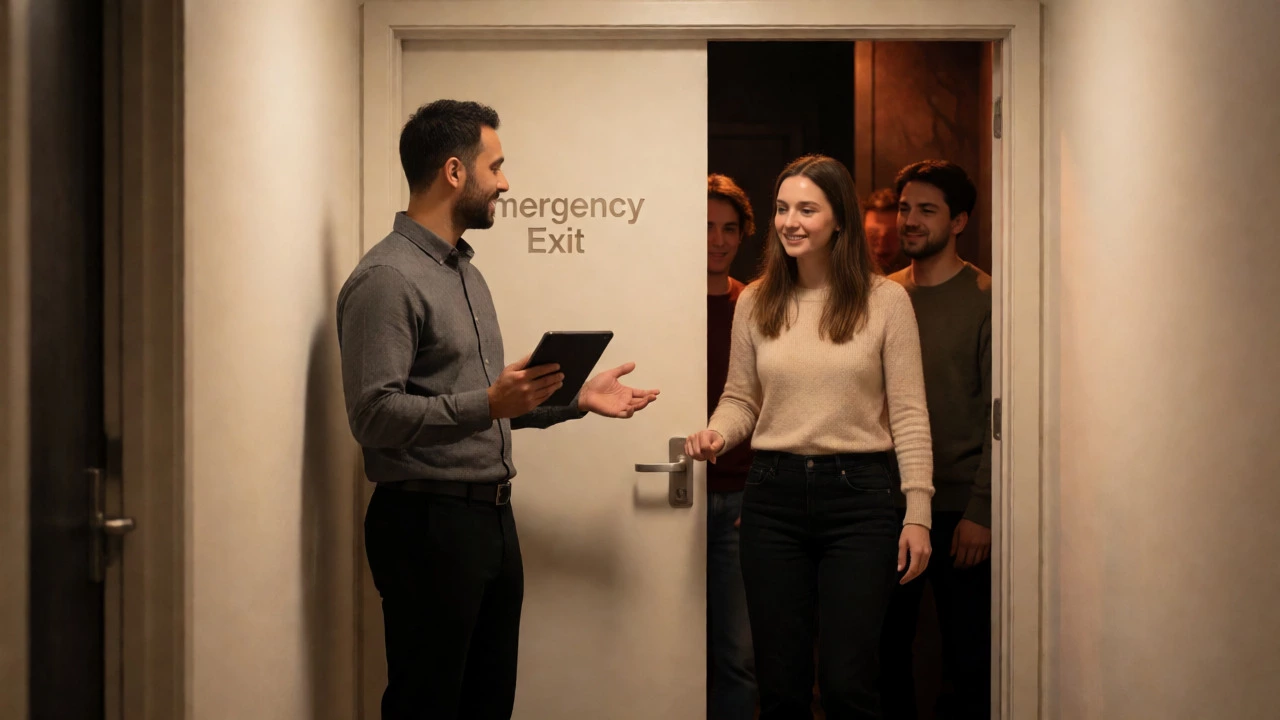
If you decide you’ve had enough, you don’t have to wait for the timer to hit zero. You can signal the game master at any time. Usually, there is a camera and microphone setup in each room. You can speak into the mic and say, "We need to leave." The staff will pause the game clock and guide you out. Your group might forfeit the win, but your well-being takes priority.
In extreme cases, such as a medical emergency, the game master can trigger a global alarm that unlocks all doors simultaneously. This ensures that if you collapse or have a panic attack, staff can enter immediately without fumbling with keys. This rapid-access protocol is standard in reputable chains like Escape Hunt or The Escape Game.
Comparing Lock Types in Modern Venues
Not all locks are created equal. The technology used depends on the age of the facility and its budget. Below is a breakdown of common locking systems and what they mean for your peace of mind.
| Mechanism Type | How It Works | Emergency Release | Risk Level |
|---|---|---|---|
| Mag-Lock | Electromagnet holds door shut; releases when power is cut or button pressed. | Instant (fail-open design) | Low |
| Smart Latch | Digital motorized latch controlled by RFID or code. | Manual button or remote override | Low |
| Padlock Chain | Physical chain across door; requires key from staff. | Staff intervention required | Medium |
| Deadbolt | Traditional mechanical lock; rare in modern rooms. | Key from outside only | High (check policy) |
Most high-end venues use Mag-Locks because they integrate seamlessly with the game’s storyline. For instance, solving a puzzle might cut the power to the magnet, causing the door to swing open automatically. This makes the exit feel like part of the gameplay rather than a safety compromise.
Tips for First-Timers Worried About Getting Stuck
If you are booking your first escape room, do a little homework. Read reviews specifically mentioning "claustrophobia" or "safety." Look for comments about responsive staff. Before you enter, ask the host three questions:
- Is the main door locked from the inside?
- Is there an emergency button in the room?
- What is the procedure if I need to use the restroom urgently?
These questions show you are engaged and prepared. Staff appreciate informed guests. If the answers are vague or hesitant, consider choosing a different venue. A professional operation will have clear, rehearsed answers for these scenarios.
Remember, the goal of an escape room is entertainment, not endurance testing. The feeling of being locked in is a theatrical trick, much like the jump scares in a horror movie. Once you understand the mechanics behind the magic, the fear often transforms into excitement. You realize you hold the power to leave whenever you choose, which paradoxically makes you want to stay longer and try harder to win.
Can I leave an escape room anytime?
Yes, in almost all modern escape rooms, you can leave at any time. You typically need to press an emergency button or communicate with the game master via microphone. Leaving early usually results in a loss of the game, but your safety and comfort are prioritized over winning.
Are escape rooms safe for people with claustrophobia?
Many people with mild claustrophobia enjoy escape rooms because the distraction of puzzles keeps them focused. However, those with severe claustrophobia should check if the venue offers "open-door" options or rooms with large windows. Always inform the staff beforehand so they can monitor your comfort level.
What happens if the power goes out during a game?
Most escape rooms use fail-safe locks, meaning the doors automatically unlock when power is lost. Additionally, backup battery systems often keep lights and communication devices running briefly. Staff protocols dictate immediate evacuation procedures in case of a full power outage.
Do escape rooms have cameras inside?
Yes, nearly all escape rooms have cameras in every room. These allow the game master to monitor progress, provide hints, and ensure player safety. The footage is usually recorded for operational purposes and deleted after a set period, though privacy policies vary by location.
Is it illegal to lock players in an escape room?
It depends on local fire codes, but generally, yes, it is illegal to trap patrons without an internal release mechanism. Venues must comply with building regulations that guarantee a safe and accessible exit path. True imprisonment without an internal exit would violate these safety standards.