VR Sleep Impact Calculator
Answer these questions to see how your current VR routine impacts your rest.
Disruption Score
Recommendations:
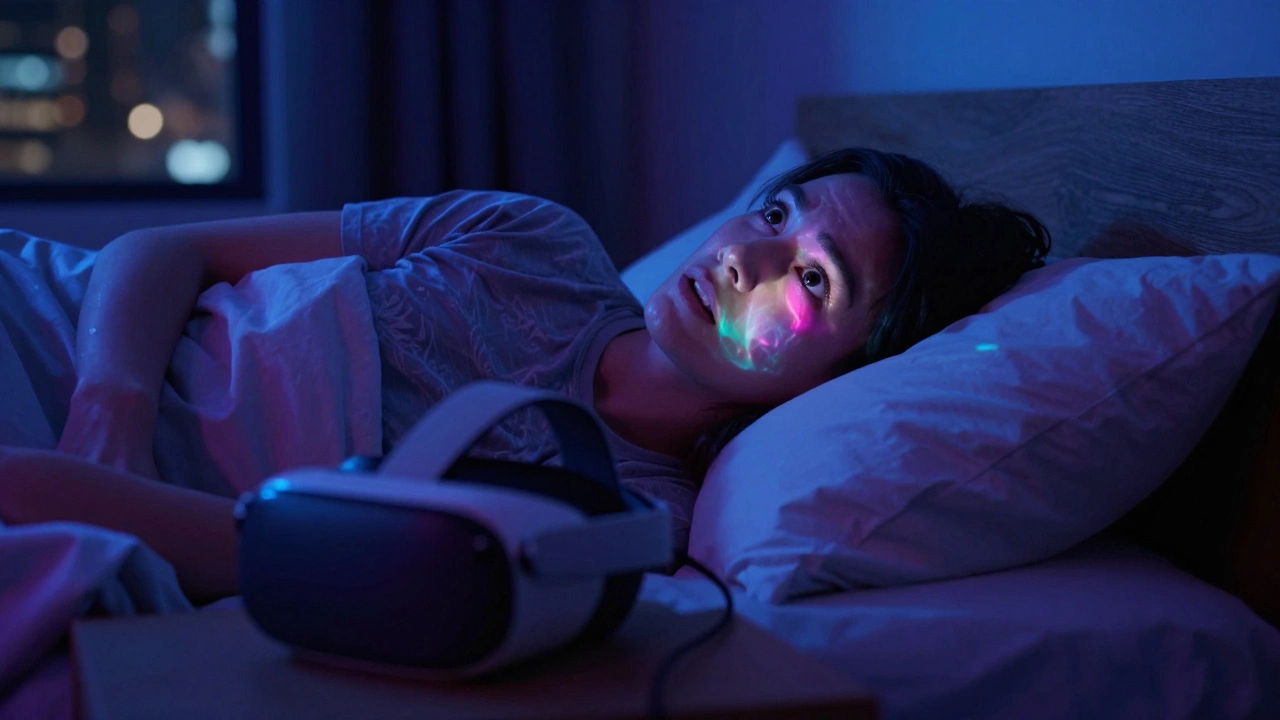
It’s 11:30 PM. You’ve just finished an intense session of Beat Saber, your heart is still racing from the rhythm game, and you’re ready to crash. You toss the headset on the desk, rub your eyes, and slide into bed. But instead of drifting off, you lie there staring at the ceiling, your brain buzzing with neon lights and high-tempo beats. Sound familiar? You aren’t alone. As virtual reality (VR) becomes a staple in our entertainment routines, many users are noticing a strange side effect: trouble sleeping.
The short answer is yes, VR affects sleep. But it’s not just about "screen time." It’s a complex mix of biology, psychology, and hardware design. To get better rest, we need to understand exactly how that plastic visor messes with your internal clock.
How Your Brain Interprets Virtual Worlds
To understand why VR disrupts rest, we first have to look at how your body processes movement. When you wear a headset like the Meta Quest 3, your eyes see motion, but your inner ear-the vestibular system-often tells your brain you’re sitting still. This mismatch can cause cybersickness, a form of motion sickness specific to VR.
Even if you don’t feel nauseous, this sensory conflict keeps your nervous system in a state of low-grade alertness. Your brain is working overtime to reconcile conflicting signals. This physiological stress raises cortisol levels, the hormone responsible for the "fight or flight" response. High cortisol right before bed is the enemy of deep, restorative sleep. You might not feel "sick," but your body is definitely not in "rest" mode.
Furthermore, the immersive nature of VR triggers a stronger emotional response than traditional screens. If you play a horror game or a competitive shooter, your adrenaline spikes significantly. Unlike watching a movie, where you know you’re safe on the couch, VR tricks your primal brain into believing the threat is real. It takes hours for those adrenaline levels to normalize, making it hard to fall asleep within the recommended window.
The Blue Light Problem: Worse Than Phones?
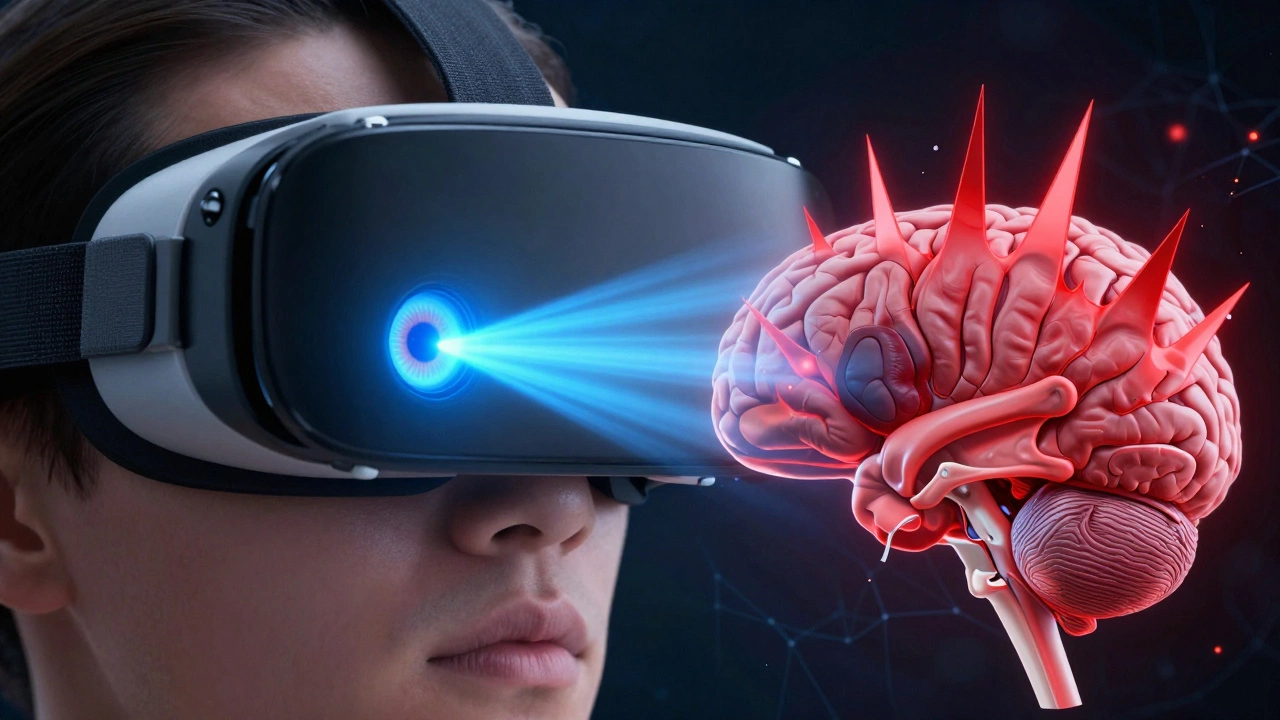
We all know blue light from phones and laptops suppresses melatonin, the hormone that signals it’s time to sleep. But VR headsets are different. They sit inches from your face, completely covering your field of vision. There is no ambient room light to dilute the intensity of the display.
Most modern VR headsets use OLED or LCD panels that emit significant amounts of short-wavelength blue light. Because the lenses focus this light directly onto your retina, the impact on your circadian rhythm can be more potent than scrolling through social media. Melatonin production can drop by up to 50% after just one hour of exposure to bright blue light before bedtime.
Additionally, the refresh rates in VR are critical. While some headsets offer 90Hz or even 120Hz refresh rates to reduce latency, the rapid flickering of pixels-even if imperceptible consciously-can overstimulate the visual cortex. For sensitive individuals, this constant visual stimulation prevents the brain from entering the theta wave state necessary for falling asleep.
| Device Type | Blue Light Intensity | Immersion Level | Sleep Disruption Risk |
|---|---|---|---|
| Smartphone | Moderate | Low | Medium |
| Desktop Monitor | Moderate-High | Low | Medium |
| VR Headset | High (Focused) | Very High | High |
| E-Reader (E-Ink) | None/Low | None | Low |
Psychological Overload and "Presence"
In VR research, there’s a concept called "presence"-the feeling that you are actually inside the virtual world. This is the magic of VR, but also its danger for sleep hygiene. When presence is high, the boundary between reality and simulation blurs.
If you spend two hours exploring a vibrant fantasy world or engaging in intense social interactions on platforms like Horizon Worlds, your mind remains engaged long after you remove the headset. This is known as cognitive arousal. Your brain is still processing social cues, spatial navigation, and narrative outcomes. It’s difficult to switch from "explorer" mode to "sleep" mode instantly.
Moreover, many popular VR apps are designed to be addictive. Games like Superhot VR or fitness apps like Supernatural provide immediate dopamine hits through achievement unlocks and physical exertion. This dopamine surge is stimulating. Just like eating a heavy meal or exercising vigorously right before bed, intense VR sessions keep your metabolism and mind active when they should be winding down.
Physical Comfort and Eye Strain
Let’s talk about the hardware itself. Wearing a headset involves pressure on your face and eyes. Even lightweight headsets can cause minor discomfort or dry eyes due to reduced blinking rates. Studies show that people blink up to 60% less while using VR compared to normal activities. Dry, irritated eyes can make the transition to sleep uncomfortable, leading to tossing and turning.
There’s also the issue of temperature regulation. VR headsets, especially standalone ones with powerful processors, generate heat. While this doesn’t directly warm your body core, the localized warmth around your eyes and forehead can be distracting. More importantly, if you’re playing an active game, your core body temperature rises. For optimal sleep, your core temperature needs to drop slightly. Exercising or gaming intensely within two hours of bedtime delays this cooling process, pushing back your sleep onset.
Best Practices for VR Users Who Want Better Sleep
You don’t have to quit VR to fix your sleep. You just need to manage how and when you use it. Here are practical steps to minimize the impact:
- Set a Hard Curfew: Stop using VR at least 60-90 minutes before bed. This gives your cortisol levels time to drop and your melatonin production to restart.
- Use Night Mode Settings: Many headsets now offer "Night Shift" or "Eye Comfort" modes that reduce blue light emission. Enable these features during evening sessions.
- Choose Calming Content: Avoid shooters, horror games, or fast-paced rhythm games in the evening. Opt for meditation apps like Tripp or slow-paced exploration games if you must use VR later in the day.
- Hydrate and Blink: Keep water nearby and consciously remind yourself to blink. This reduces eye strain and helps regulate body temperature.
- Create a Transition Ritual: After removing the headset, do something analog. Read a physical book, stretch, or listen to calm music. This signals to your brain that the virtual session is over and reality has resumed.
When VR Might Actually Help Sleep
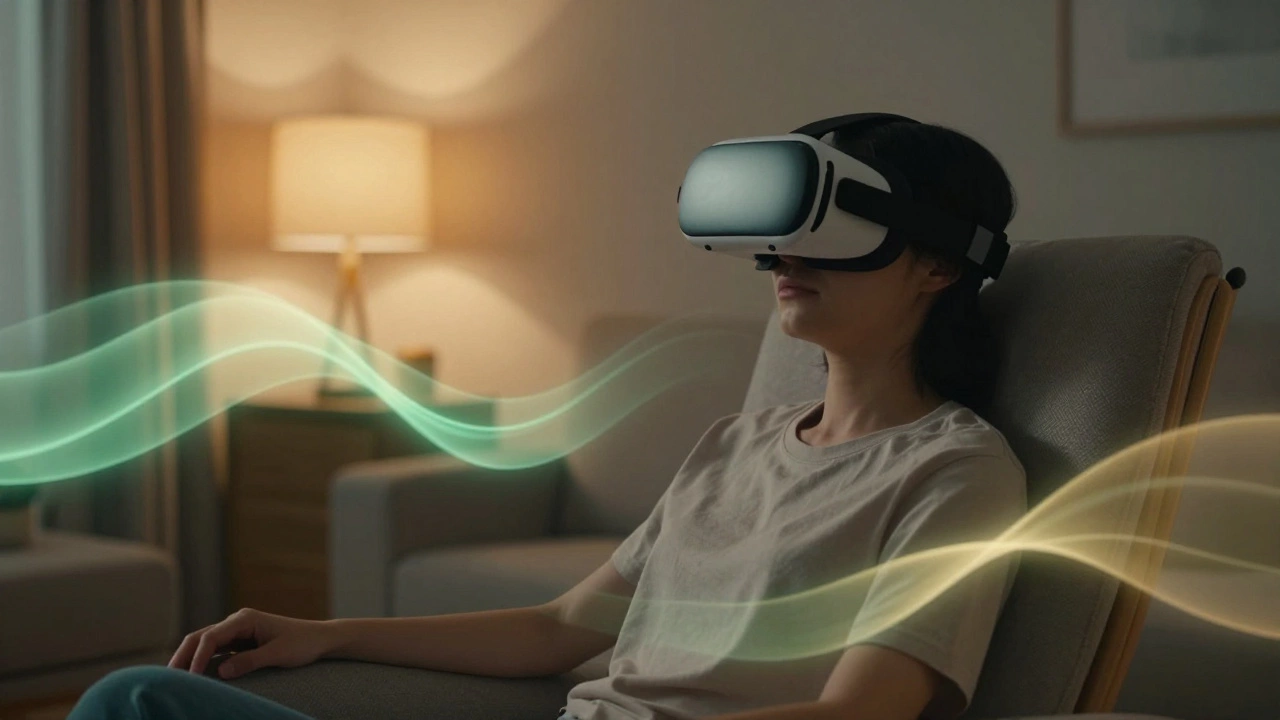
Interestingly, VR isn’t always bad for sleep. Some therapists and sleep experts use VR for relaxation and insomnia treatment. Apps that guide you through breathing exercises, visualize calming environments, or provide biofeedback can help lower anxiety and prepare the mind for rest.
The key difference is intent and timing. Using VR for guided meditation 30 minutes before bed, with low brightness and soothing audio, can act as a wind-down tool. However, this requires discipline. Most users default to stimulating content, which is why the general advice leans toward caution. If you use VR for sleep aid, stick strictly to non-interactive, calming experiences and ensure the headset’s brightness is minimized.
Long-Term Effects on Sleep Quality
While acute effects like delayed sleep onset are common, what about long-term usage? Emerging research suggests that chronic late-night VR use can lead to sustained disruptions in circadian rhythms. This can result in poor sleep quality, daytime fatigue, and increased irritability.
For children and teenagers, whose brains are still developing, the risks may be higher. Their circadian systems are more sensitive to light exposure, and their ability to self-regulate screen time is often weaker. Parents should enforce strict limits on VR usage in the evening hours to protect their kids’ sleep health.
Ultimately, VR is a powerful tool for entertainment and connection, but it demands respect for your biological needs. By understanding the mechanisms behind sleep disruption-blue light, adrenaline, cognitive arousal-you can make informed choices. Treat your VR time like any other stimulant: enjoy it, but give your body the space it needs to recover.
How long before bed should I stop using VR?
Ideally, you should stop using VR at least 60 to 90 minutes before you plan to sleep. This allows your body to clear adrenaline, reset your melatonin production, and cool down your core temperature.
Does VR cause more eye strain than phones?
Yes, VR can cause more eye strain because users blink significantly less (up to 60% less) while immersed. Additionally, the fixed focal distance of VR lenses forces your eyes to maintain a constant accommodation effort, which can lead to fatigue.
Can I use VR to help me fall asleep?
Yes, but only with specific calming apps designed for relaxation or meditation. Ensure the brightness is low and the content is non-stimulating. Avoid interactive games or anything that raises your heart rate.
Why do I feel wired after playing VR games?
VR triggers a strong "presence" response, releasing adrenaline and dopamine. This physiological arousal mimics real-world stress or excitement, keeping your nervous system activated long after you remove the headset.
Is blue light from VR worse than from TVs?
In terms of intensity per square inch of retina, yes. VR headsets place displays very close to your eyes with no ambient light interference, delivering a concentrated dose of blue light that can heavily suppress melatonin.