Escape Room Timeline Calculator
Select your escape room type and customize your experience to see the complete timeline breakdown.
You book a slot for Saturday night. You arrive at the venue, get briefed on the rules, and are locked in a dimly lit room with a ticking clock on the wall. But here is the question that keeps popping up in group chats: exactly how much time do you actually have? Is it twenty minutes? An hour? Two hours?
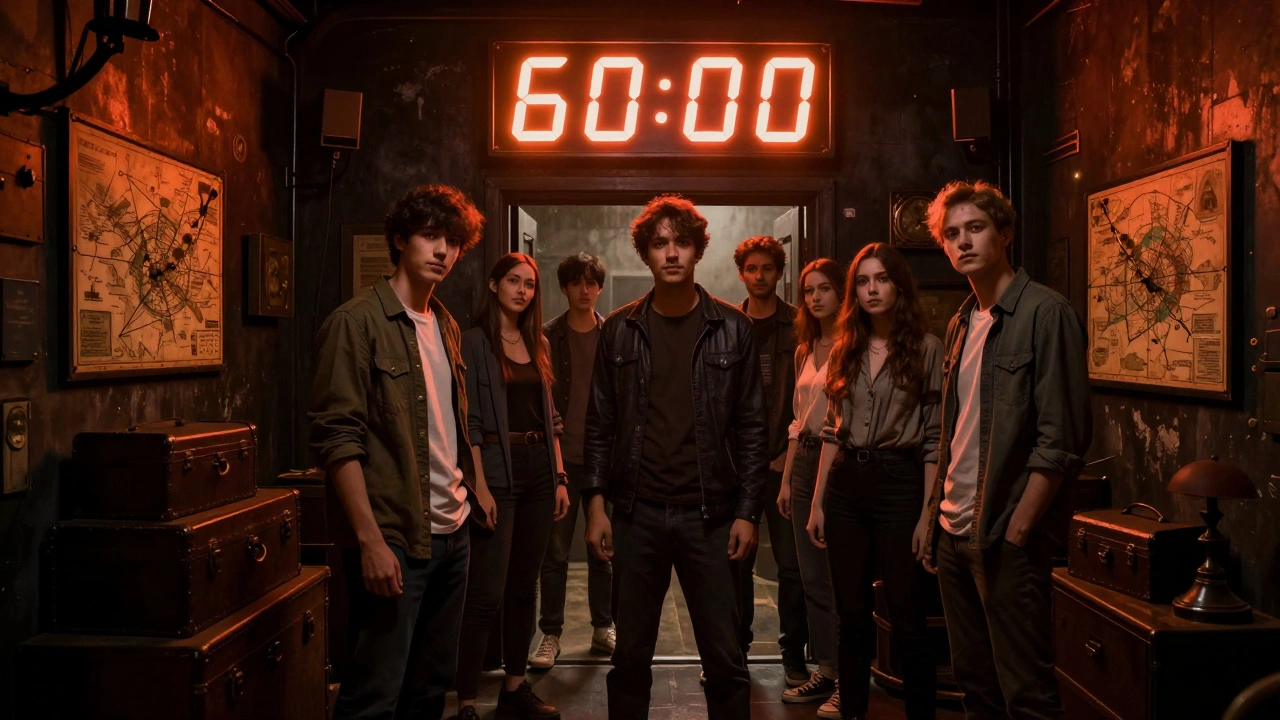
The short answer is that most standard escape rooms are designed to be completed in 60 minutes. However, the reality of your experience involves more than just the time spent solving puzzles inside the box. There is briefing time, travel between locations if you are doing a multi-room game, and debriefing. Understanding the full timeline helps you manage expectations, especially if you are running late or planning a tight schedule.
The Standard 60-Minute Rule
If you walk into a random escape room venue anywhere in the world, odds are you will be given one hour. This has become the industry standard for several reasons. First, it creates a perfect balance between tension and fun. If the game were too short, say fifteen minutes, players wouldn't have time to settle into the narrative or feel immersed. If it were three hours, fatigue would set in, and the excitement would turn into frustration.
Sixty minutes allows for roughly five to seven distinct puzzles or challenges. It gives teams enough time to make mistakes, hit dead ends, and backtrack without feeling like they wasted their entire evening. Most venues design their games so that a skilled team can finish in 45-50 minutes, while a casual group might scrape by with thirty seconds left. The clock isn't just a timer; it's a mechanic that drives the adrenaline.
Breaking Down the Full Experience Timeline
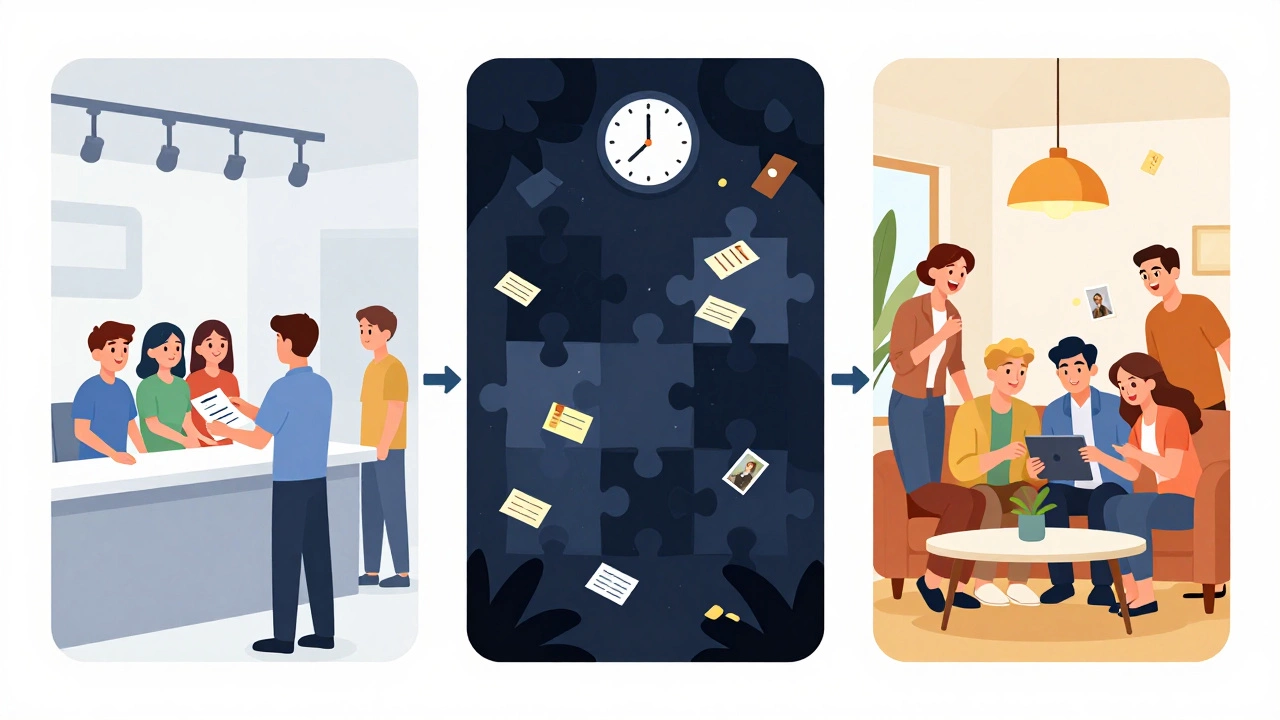
While the "game time" is usually sixty minutes, your actual commitment to the venue is longer. Here is how a typical session breaks down from arrival to departure:
- Check-in and Safety Briefing (10-15 minutes): Before you enter the room, staff need to verify your booking, collect any bags or phones (since personal items often break immersion or trigger false alarms), and explain safety protocols. They will also introduce the storyline. Don't skip this part; sometimes hints about the plot are hidden in the briefing.
- The Game (60 minutes): This is the core experience. Once the door locks, the clock starts. No pausing, no phone calls, no bathroom breaks unless it's an emergency (and even then, it usually pauses the clock).
- Debrief and Photo Review (10-15 minutes): After you escape-or fail-the staff will let you out. They’ll show you behind-the-scenes mechanisms, explain puzzles you missed, and take photos. Many venues use cameras to capture your reactions, which makes for great social media content.
So, when booking, block out about ninety minutes total. If you are planning a corporate team-building event with multiple groups rotating through different rooms, you might need two to three hours to account for transitions.
Exceptions: When Time Limits Vary
Not every escape room fits the sixty-minute mold. Some venues offer variations based on complexity, theme, or target audience. Knowing these differences helps you choose the right game for your group.
| Room Type | Typical Duration | Best For | Complexity Level |
|---|---|---|---|
| Standard Adult Room | 60 minutes | Friends, couples, general groups | Moderate |
| Kids/Family Friendly | 45-60 minutes | Children ages 8+, families | Low to Moderate |
| Hardcore/Expert | 75-90 minutes | Veteran solvers, puzzle enthusiasts | High |
| Multi-Part Saga | 2-3 hours (total) | Birthday parties, large groups | Varies |
| Speed Run/Private Event | Customizable | Competitive teams, corporate events | High |
Kids and Family Rooms: Younger children have shorter attention spans. Venues catering to families often shorten the time to forty-five minutes or simplify the puzzles so the focus remains on exploration rather than intense logic. Some places allow parents to help significantly, effectively extending the "solve" time without changing the clock.
Hardcore or Expert Rooms: If you are a regular escape room player, standard rooms might feel too easy. Some high-end venues offer "expert" modes where you get seventy-five to ninety minutes but face significantly harder puzzles, fewer hints, or additional layers of complexity. These are not for beginners.
Multi-Part Experiences: A growing trend is the "saga" format. Instead of one room, you solve a mystery across three or four connected rooms over two to three hours. Each segment might last forty-five minutes, with short breaks in between. This is popular for birthday parties because it accommodates larger groups and provides a more cinematic experience.
Does Finishing Early Mean You Win?
A common misconception is that escaping quickly is the ultimate goal. While beating the clock feels satisfying, many modern escape rooms prioritize narrative completion over speed. In some immersive theaters or story-heavy rooms, leaving early means missing out on key plot twists or character interactions.
However, in traditional puzzle-focused rooms, finishing in thirty minutes is a badge of honor. Some venues track "speed records" and display them publicly. If you are competitive, aim for efficiency. But remember: rushing leads to missed clues. A balanced approach-solving thoroughly but keeping momentum-is usually better than frantic guessing.
What Happens If You Run Out of Time?
Let’s address the fear: what if the clock hits zero and you haven’t found the final key? Don’t panic. You don’t fail permanently. The game ends, the door unlocks, and the staff enters. They will guide you through the remaining steps, explaining how the final puzzle worked. This is called a "soft fail," and it’s completely normal. Statistics suggest that only about 10-20% of teams escape within the time limit, depending on the room’s difficulty.
Running out of time doesn’t mean you did anything wrong. It just means the challenge was tough. Most players report enjoying the debrief almost as much as the game itself because they finally understand the clever mechanics they overlooked.
Factors That Influence Your Actual Playtime
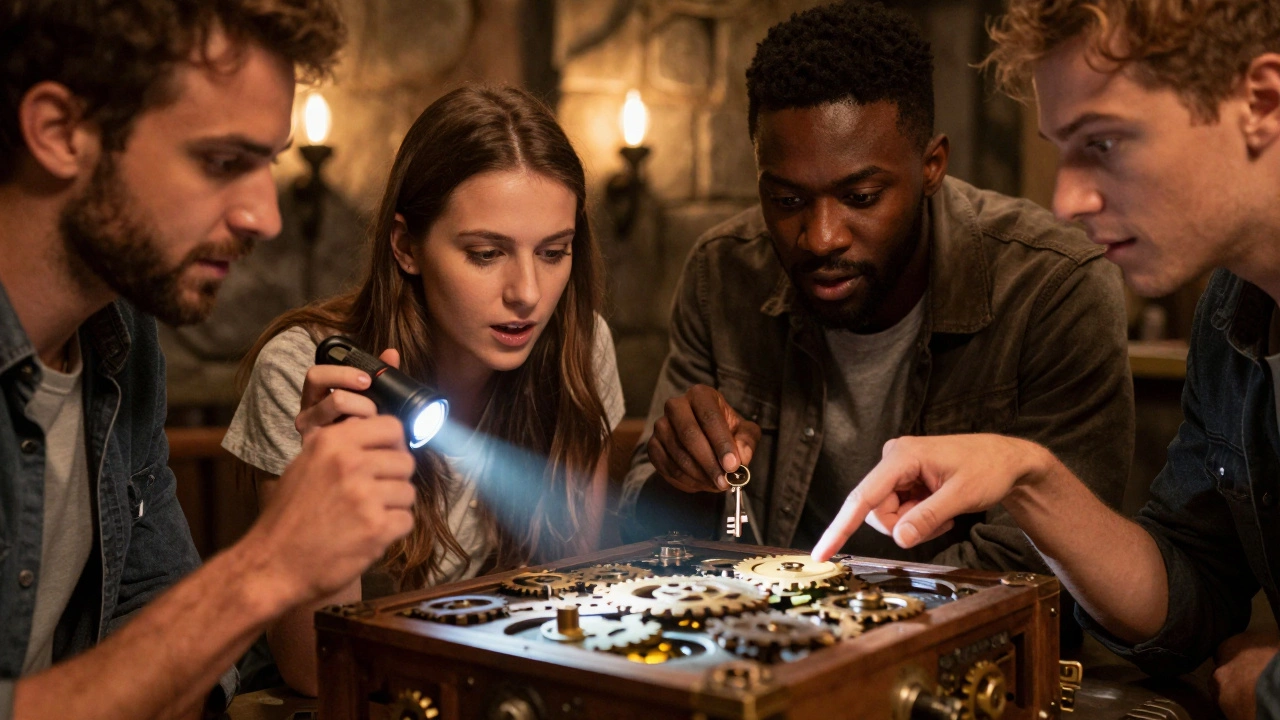
Your group dynamic plays a huge role in how fast you move. Here are practical tips to optimize your time:
- Group Size: The sweet spot is four to six people. Fewer than three, and you lack hands to search simultaneously. More than eight, and people start standing around waiting for others to figure things out.
- Diverse Skills: Mix logical thinkers with creative observers. One person might notice a color pattern on the wall while another deciphers a cipher wheel. Homogenous groups tend to stall.
- Communication: Shout out what you find immediately. "I found a red key!" is better than silently hiding it until you’re sure it fits. Information sharing prevents duplicate efforts.
- Hints Strategy: Use hints wisely. Most venues allow unlimited hints, but using them too early reduces satisfaction. Save hints for when you’ve been stuck on a single puzzle for more than ten minutes.
Planning Around the Clock
If you are organizing an event, consider the logistics beyond the room itself. Parking, finding the venue, and pre-game meals can eat into your evening. Arrive fifteen minutes early to avoid stress. If you are booking multiple rooms for a large party, stagger the start times so everyone gets equal access to food and drinks afterward.
Also, check if the venue offers extensions. Some places will give you extra time if you request it during booking, though this may come with a fee. Others strictly enforce the limit to maintain scheduling integrity for subsequent groups.
FAQ
Can you pause the clock in an escape room?
Generally, no. The clock runs continuously once the game starts to maintain tension and fairness. Exceptions are made only for emergencies, such as medical issues or technical failures caused by the venue. Bathroom breaks are usually discouraged but may pause the clock at the discretion of the game master.
Is 60 minutes enough time to solve an escape room?
For most well-designed rooms, yes. Venues test their games extensively to ensure that an average team can complete them within the hour. If you are stuck, use hints. The goal is enjoyment, not perfection. Only expert-level rooms typically require more than sixty minutes.
Do kids' escape rooms take less time?
Often, yes. Many family-friendly rooms are timed for 45 minutes to match younger attention spans. However, some venues keep the 60-minute limit but simplify the puzzles. Always check the specific venue's policy when booking for children.
What happens if we escape in under 10 minutes?
It’s rare but possible in easier rooms. You will likely be congratulated and shown the rest of the puzzles. Some venues have leaderboards for fastest escapes. Be mindful that rushing might mean missing narrative details, so balance speed with thoroughness.
Can we extend our time if we're close to finishing?
Most venues do not allow extensions due to strict scheduling for other customers. The clock stops at zero regardless of progress. Plan accordingly and use hints if you are falling behind. Some premium packages may include bonus time, but this must be arranged before the game starts.
How long does the whole visit take including briefing?
Expect to spend about 90 minutes total. This includes 10-15 minutes for check-in and briefing, 60 minutes for the game, and 10-15 minutes for debriefing and photos. Block out this full window in your calendar to avoid rushing.
Are there escape rooms that last longer than an hour?
Yes. Multi-part sagas can last 2-3 hours. Hardcore expert rooms may offer 75-90 minutes. Additionally, private events or corporate bookings can customize the duration. Check the venue's website for specific room lengths.