Escape Room Safety Assessment Tool
Use this tool to evaluate a specific venue or prepare your group for an upcoming game. Check off the criteria you have verified or plan to verify before booking.
Check these boxes if the venue confirms these features or if you have verified them via reviews/website.
Safety Assessment Result
Imagine you’re locked in a dimly lit room with your friends, the clock ticking down from sixty minutes. It’s thrilling, right? But for some parents and cautious adults, the first thought isn’t about solving puzzles-it’s about whether anyone might get hurt. The short answer is that escape rooms are statistically very safe, but they aren’t risk-free. Most incidents involve minor trips or bumps rather than serious injuries, yet understanding the specific hazards helps you choose venues wisely and prepare your group for a smooth experience.
Safety in this industry relies heavily on local building codes, professional design standards, and staff training. Whether you’re booking a corporate team-building event or a family outing, knowing what to look for can turn anxiety into confidence. Let’s break down exactly where the risks lie and how modern facilities mitigate them.
The Physical Environment: Where Injuries Actually Happen
When people worry about escape room safety, they often imagine dramatic accidents. In reality, the most common issues are mundane. Tripping over cables, bumping heads on low beams, or pinching fingers in doors account for the vast majority of reported incidents. These are typical indoor activity risks, similar to what you’d encounter at a gym or a museum.
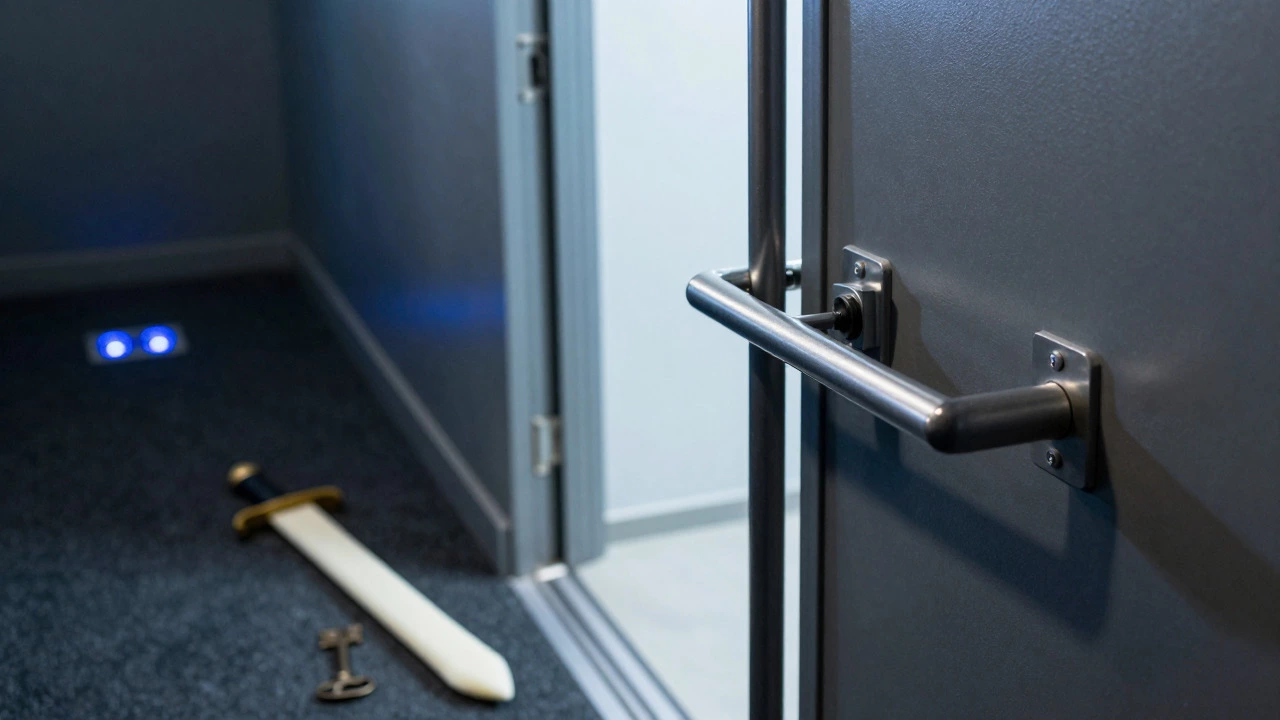
Thematic Props are decorative objects designed to enhance immersion, such as fake weapons, old books, or mechanical devices. While they look realistic, high-quality venues use lightweight materials like foam, resin, or plastic to ensure these props don’t cause damage if handled roughly. However, older or budget-friendly rooms might use heavier materials. If you see a prop that looks genuinely heavy or sharp, it’s worth asking the game master if it’s meant to be moved.
Lighting plays a crucial role here. Many themes rely on low light or darkness to build atmosphere. This can make it harder to see obstacles, increasing the chance of tripping. Venues that prioritize safety usually install subtle floor markers or ensure key pathways are slightly better lit, even in dark scenes. If you have poor eyesight or balance issues, it’s smart to mention this to the staff before starting; they can often adjust lighting settings or guide you through trickier sections.
Fire Codes and Emergency Exits
The biggest fear for many is being trapped without a way out. Legally, almost every jurisdiction requires escape rooms to comply with strict fire codes. This means there must be a clear, unobstructed exit route that doesn’t require a key or puzzle solution to open. Usually, this involves a panic bar on the main door or a separate emergency exit that opens inward or outward easily.
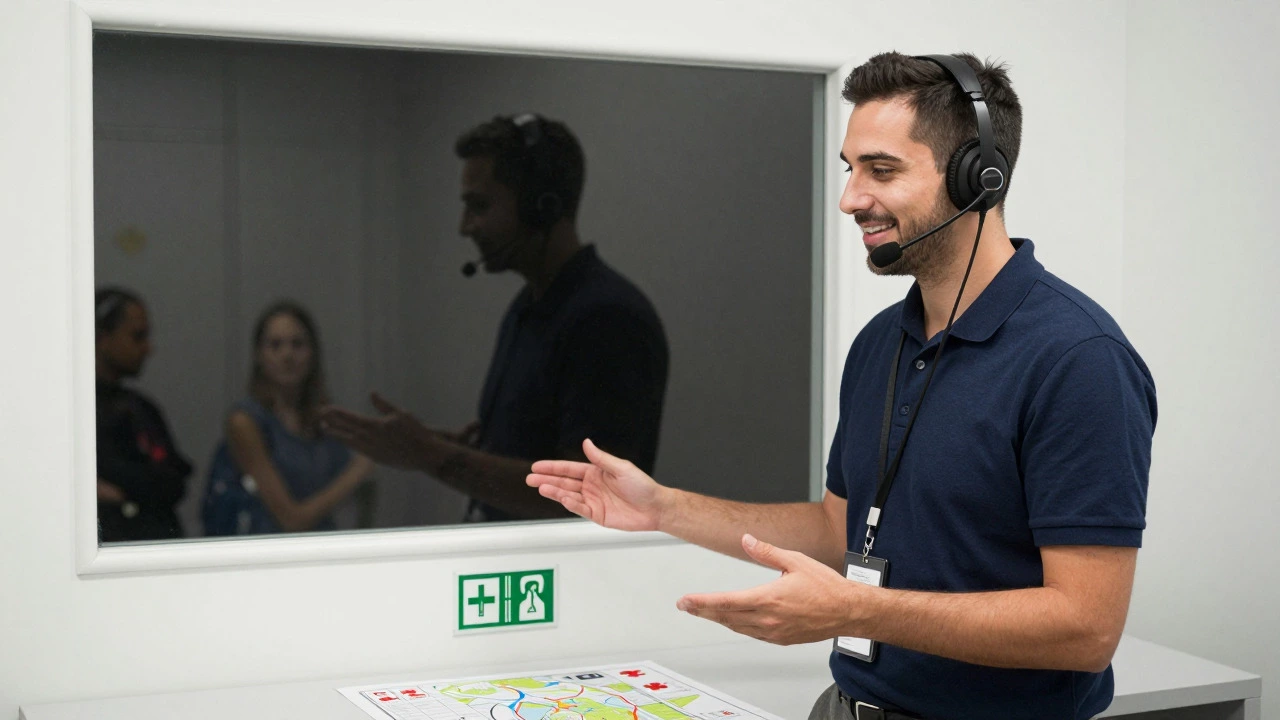
Emergency Egress refers to the designated path for occupants to leave a building quickly during an emergency. In escape rooms, this is non-negotiable. You should never be locked in a way that prevents immediate evacuation. During your briefing, ask the game master specifically where the emergency exit is located. They should point it out clearly. If they hesitate or say “it’s obvious,” that might be a red flag.
Smoke detectors and fire extinguishers are also mandatory in most commercial spaces. While you won’t see them inside the themed room (to preserve immersion), they are typically installed in the hallway or entrance area. The ventilation system is another critical component. Since you’ll be breathing recycled air for up to an hour, good airflow prevents stuffiness and reduces the spread of airborne particles. Modern HVAC systems in well-maintained venues handle this efficiently, but if the air feels stagnant or smells odd, it’s a sign the facility might need maintenance.
Who Can Play? Age Limits and Child Safety
Age restrictions vary by venue and theme, but most standard rooms recommend players aged 14 and up. Younger children can play, but only under close adult supervision. The main concern isn’t danger, but frustration. Complex puzzles can overwhelm kids, leading to tears or conflict within the group. More importantly, small parts in certain themes-like tiny keys, locks, or electronic components-can pose choking hazards for toddlers or young children.
Child Supervision Protocols are rules requiring adults to remain physically present and attentive when minors participate in interactive activities. Venues often enforce a rule that one adult per four children must stay engaged. If you’re bringing a group with mixed ages, consider choosing a “family-friendly” theme that uses larger, simpler mechanics rather than intricate logic puzzles.
Physical size matters too. Some rooms feature tight spaces, like crawl-through tunnels or narrow ladders. Check the height and weight requirements listed on the booking page. If a player is significantly shorter or taller than average, they might find certain physical challenges difficult or uncomfortable. Staff can usually offer alternative solutions if someone can’t reach a high shelf or fit through a small gap.
Electrical and Mechanical Hazards
Modern escape rooms are packed with technology. Sensors, lights, speakers, and digital locks all run on electricity. While rare, electrical faults can happen. High-voltage equipment is usually hidden behind walls, but low-voltage wiring powers the visible gadgets. Proper insulation and regular maintenance prevent shocks or shorts.
Mechanical elements, like moving walls or swinging pendulums, add dynamic tension. These mechanisms are tested regularly to ensure they operate smoothly. However, if you hear grinding noises or see a mechanism sticking, inform the staff immediately. They can pause the game or reset the element safely. Never try to force a stuck door or lever yourself; let the professionals handle it.
Batteries are another potential issue. If a battery-powered device fails mid-game, it could lock you out of a puzzle. Reputable venues use redundant power sources or have backup batteries ready. If a light goes out unexpectedly, don’t panic-it’s likely a simple bulb replacement away. Stay calm and wait for the game master to assist via intercom.
Choosing a Safe Venue: What to Look For
Not all escape rooms are created equal. To ensure a safe experience, do a bit of homework before you book. Here’s a quick checklist to help you evaluate a facility:
- Online Reviews: Read recent reviews mentioning cleanliness, staff responsiveness, and any complaints about broken props or confusing exits.
- Staff Training: Ask if game masters undergo regular safety drills. Well-trained staff know how to handle emergencies calmly.
- Facility Age: Newer venues tend to have more reliable technology and updated safety features. Older locations may have legacy systems that are harder to maintain.
- Insurance: While not always publicized, reputable businesses carry liability insurance. This protects you if an accident occurs due to facility negligence.
During your visit, observe the lobby and hallways. Are they clean and organized? Is there clear signage indicating exits and first aid kits? A professional atmosphere often reflects a commitment to safety. If the space feels cluttered or poorly maintained, it might indicate a lack of attention to detail elsewhere.
Comparing Safety Features Across Room Types
Different themes carry different levels of inherent risk. Understanding these differences helps you match the room to your group’s comfort level.
| Theme Type | Common Physical Hazards | Recommended Player Profile | Safety Tip |
|---|---|---|---|
| Classic Mystery | Low; mostly static props | All ages, beginners | Check for small loose parts if bringing kids |
| Adventure/Action | Medium; moving parts, heights | Teens and adults, active groups | Wear closed-toe shoes; check height limits |
| Horror/Thriller | Low physical, high psychological | Adults, thrill-seekers | Discuss jump scares with sensitive players beforehand |
| Sci-Fi/Tech | Medium; complex electronics | Tech-savvy groups | Ask about backup power for digital locks |
Adventure themes often involve climbing or balancing, so footwear matters. Avoid wearing heels or slippery sneakers. Horror themes might use strobe lights, which can trigger photosensitive epilepsy in rare cases. If anyone in your group has this condition, ask the venue if they can disable strobe effects. Sci-fi rooms rely heavily on sensors; if you wear metal jewelry or large accessories, they might interfere with magnetic locks. Keep pockets empty to avoid triggering false alarms.
What to Do If Something Goes Wrong
Even in the safest venues, things can go awry. Maybe a puzzle breaks, or a player gets stuck. Here’s how to handle common scenarios:
- Use the Intercom: Every room has a communication line to the game master. Use it liberally. There’s no penalty for asking for hints or reporting issues.
- Stay Calm: Panic makes problems seem bigger. Take a deep breath and focus on the next step.
- Wait for Help: If a mechanical part jams, don’t force it. Wait for the staff to come in and fix it. They’ve seen it all before.
- Report Injuries Immediately: Even minor cuts or bruises should be noted. This helps the venue track patterns and improve safety.
Most venues have a first aid kit readily available. If you feel dizzy or overheated, step outside for fresh air. Hydration is key, especially in summer months. Bring water bottles if allowed, or ask for free water at the start of the game.
Frequently Asked Questions
Are escape rooms safe for people with claustrophobia?
Generally, yes, but it depends on the room size. Standard rooms are spacious enough for 4-6 people to move around comfortably. However, some themes include small closets or tunnels. Check the room dimensions online or ask the staff. If you have severe claustrophobia, choose a larger, open-plan theme and inform the game master so they can keep the pace relaxed.
What happens if the power goes out during an escape room?
Most venues have backup generators or battery-powered emergency lights. If the power fails completely, the game master will unlock the door via a manual override key. You’ll be guided out safely. Digital locks usually revert to a default state or can be opened manually by staff. Don’t worry; this is a rare occurrence and handled professionally.
Do I need to buy insurance to play in an escape room?
No, individual insurance is rarely required. The venue carries general liability insurance to cover accidents caused by facility negligence. Your personal health insurance would cover medical costs if you get injured. Always read the waiver form carefully before signing, as it outlines your responsibilities regarding pre-existing conditions.
Are escape rooms suitable for wheelchair users?
Accessibility varies widely by venue. Some rooms are fully accessible with wide doorways and ground-level puzzles. Others may have stairs or narrow passages. Contact the venue directly to ask about specific accessibility features. Many modern facilities are designing inclusive experiences, but it’s best to confirm before booking to ensure a comfortable experience.
How often are escape rooms inspected for safety?
Inspection frequency depends on local regulations. In many countries, commercial entertainment venues are subject to annual fire and building code inspections. Additionally, venues perform internal checks daily, ensuring all props are secure and exits are clear. Regular maintenance schedules for HVAC and electrical systems are also standard practice for reputable operators.