Outdoor Play Activity Matcher
Configure Your Session
It is a warm afternoon in Wellington, the wind is doing its usual dance through the trees, and you are staring at your child. They have finished their snack, put down the tablet, and are now looking at you with that specific expression that means 'I am bored.' You want them to go outside, but the idea of just saying 'go play' feels like it will last exactly four minutes before they come back inside asking for something else.
You are not alone in this struggle. In an era where digital entertainment is always one click away, getting kids to engage with the physical world requires a bit more intention. But here is the good news: you do not need expensive equipment or a sprawling garden. You just need to shift the frame from 'playing' to 'exploring.' When you give children a purpose, their imagination takes over, and suddenly, the backyard becomes a kingdom, a laboratory, or a jungle.
The Power of Boredom in Outdoor Play
Before we jump into specific games, let’s talk about why structure matters less than mindset. Many parents rush to fill every gap in their child’s day with organized activities. However, unstructured outdoor time is crucial for developing problem-solving skills and creativity. When a child is bored outdoors, they are forced to look around for solutions. A stick becomes a sword, a puddle becomes a moat, and a pile of leaves becomes a treasure map.
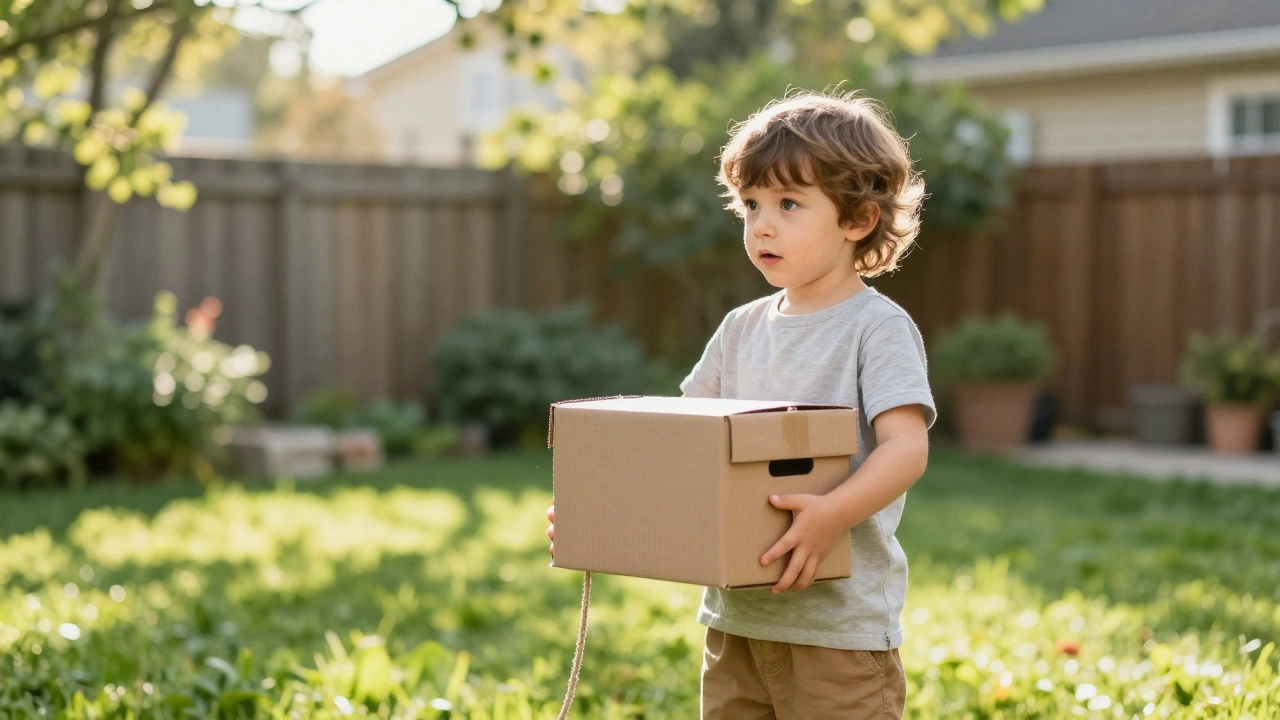
Your role is not to entertain them constantly but to set the stage. Provide open-ended materials rather than toys with single functions. Instead of a plastic ride-on car that only goes forward, offer cardboard boxes, rope, and chalk. These items have no predefined rules, which means your child has to invent the rules. This process builds cognitive flexibility. It also teaches resilience because when their cardboard castle collapses in the wind, they have to figure out how to rebuild it stronger.
Simple Games That Require Zero Equipment
Sometimes, you just want to get out the door without digging through storage bins for gear. The best outdoor activities are often the ones that rely on physics, balance, and imagination. Here are a few classics that never fail:
- Chalk Obstacle Courses: Draw a path with chalk that includes zig-zags, circles, and lines. Tell your child they must hop on one foot through the zig-zags, skip across the circles, and walk heel-to-toe along the straight line. This improves gross motor skills and coordination without them realizing they are exercising.
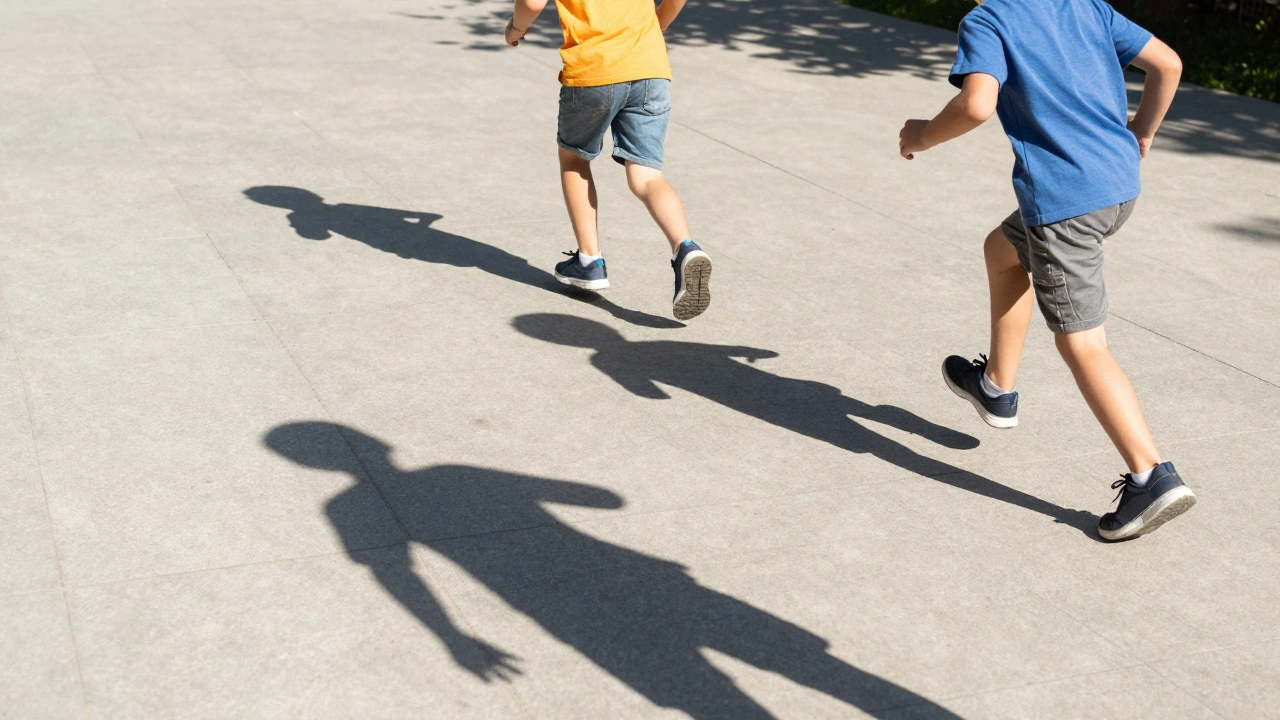
- The Shadow Tag: On a sunny day, shadow tag is incredibly engaging. The rule is simple: you can only tag someone by stepping on their shadow. This forces kids to move quickly and think strategically about positioning relative to the sun. It is chaotic, loud, and absolutely brilliant for burning energy.
- Cloud Watching Stories: Lie down on a blanket and pick a cloud. Take turns making up a story about what the cloud looks like and where it is going. This slows things down and encourages verbal creativity. It is a great way to transition from high-energy play to calm reflection.
These activities work because they are low-pressure. There is no winning or losing, just participation. If your child loses interest after two minutes, that is fine. Switch to another activity. The goal is variety, not endurance.
Nature-Based Learning Adventures
If your child loves learning, turn the outdoors into a classroom. Nature is full of scientific phenomena waiting to be discovered. You don’t need to be a biologist to facilitate this; you just need to ask good questions.
Start with a "Bug Hotel" project. Collect dry sticks, leaves, pinecones, and hollow stems. Stack them in a corner of the garden or against a fence. Explain that insects need shelter too. Over the next few weeks, check the hotel together. Use a magnifying glass to see if any beetles, spiders, or ants have moved in. This teaches empathy for small creatures and introduces basic ecology concepts like habitat and ecosystem.
Another powerful tool is the "Five Senses Walk." Challenge your child to find one thing they can hear, one thing they can smell, one thing they can touch, one thing they can see, and one thing they can taste (make sure the tasting part is safe-maybe bring some fruit or crackers). This mindfulness exercise helps children slow down and truly observe their surroundings. In a city like Wellington, where native plants and coastal sounds are abundant, this activity connects kids deeply to their local environment.
| Activity Type | Best For | Energy Level | Materials Needed |
|---|---|---|---|
| Active Play (Tag, Obstacle Course) | Burning energy, motor skills | High | Chalk, cones, or markers |
| Creative Play (Dirt Kitchen, Chalk Art) | Imagination, sensory development | Medium | Dirt, water, chalk, pots |
| Exploratory Play (Scavenger Hunt, Bug Hotel) | Curiosity, observation skills | Low to Medium | Magnifying glass, list, natural debris |
| Mindful Play (Cloud Watching, Sensory Walk) | Calmness, emotional regulation | Low | Blanket, curiosity |
Water Play: The Ultimate Summer Distraction
When the temperature rises, water becomes the most valuable resource in your outdoor arsenal. Water play is naturally mesmerizing to children. The sound, the feel, and the visual changes keep them engaged for hours. You do not need a pool. A large plastic tub, a bucket, and a hose are enough.
Try "Sink or Float." Gather various household objects: a spoon, a leaf, a stone, a cork, a toy car. Ask your child to predict whether each item will sink or float before dropping it into the water. This introduces basic physics concepts like density and buoyancy in a hands-on way. If they get it wrong, discuss why. Was it heavy? Was it hollow? This critical thinking is far more valuable than memorizing facts from a book.
For older kids, add complexity. Give them cups and sponges and challenge them to transfer water from one container to another using only the sponge. Or freeze water balloons and have them try to melt them as fast as possible using sunlight and salt. These experiments are messy, yes, but mess is a sign of deep engagement. Keep a spray bottle nearby for quick clean-ups, and embrace the chaos.
Building and Construction Outdoors
Indoor building blocks are great, but outdoor construction allows for larger scales and different materials. Encourage your child to build forts, bridges, or walls using natural materials. Fallen branches, rocks, and mud are excellent building supplies.
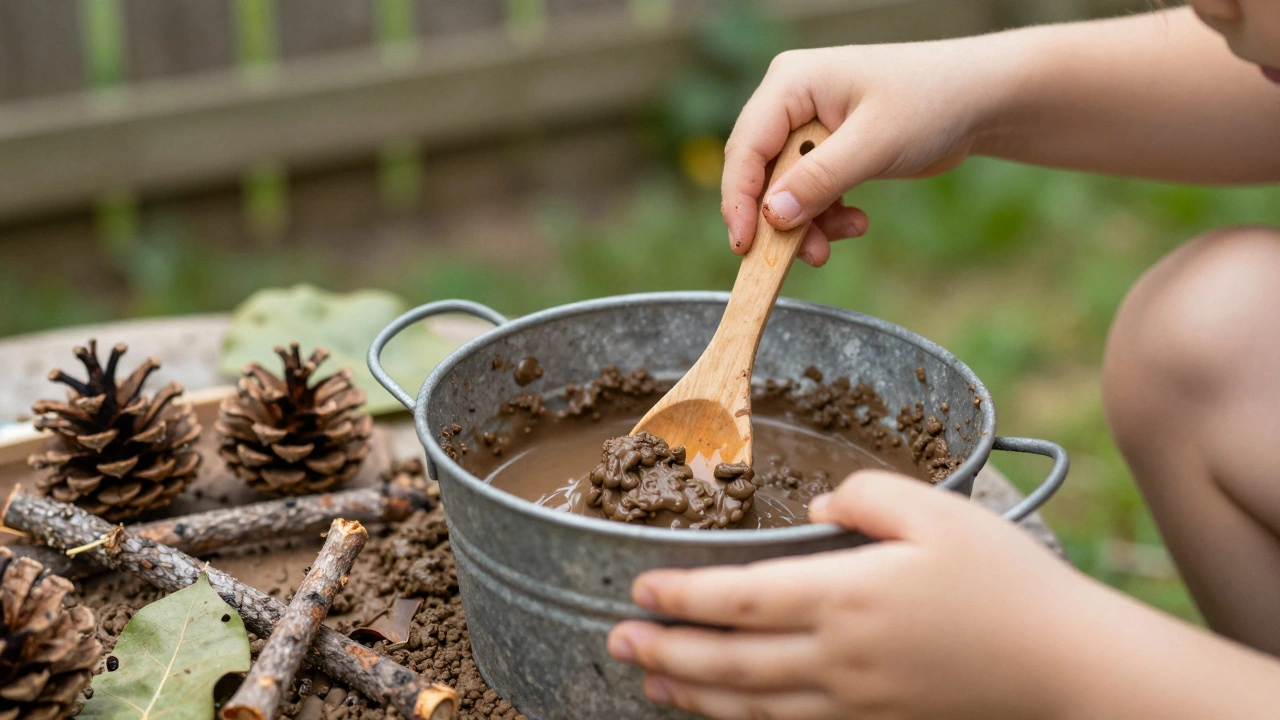
A "Mud Kitchen" is a fantastic setup. You don’t need to buy anything. Just place an old tray, some pots, and pans outside. Let your child mix mud with water to create "soup," "cake," or "paint." Mud play develops fine motor skills as they stir, scoop, and pour. It also provides rich sensory feedback. The texture changes as they add water, teaching them about consistency and cause-and-effect.
For bigger projects, help them build a teepee or a fort using branches and a sheet. The structural engineering required to keep it standing is real. They will learn about tension, support, and balance. If the fort falls down, celebrate the effort and start again. This iterative process builds perseverance.
Adapting to Weather and Space
Living in New Zealand, we know weather can change quickly. Rain does not mean the end of outdoor play. Embrace the rain. Buy cheap rain boots and jackets, and let your child jump in puddles. The sensory experience of rain on skin and the sound of thunder can be magical rather than frightening.
If you have limited space, verticality is your friend. Use wall-mounted chalkboards, hanging planters for climbing beans, or a small climbing frame. Even a balcony can become an outdoor space with potted herbs for smelling, wind chimes for listening, and a small table for drawing. The key is to define the space as "outside" regardless of size.
Wind is another factor. In windy areas, secure loose items. Turn the wind into a game by flying kites or blowing bubbles. Watch how the bubbles move in the air currents. This makes the weather a partner in play rather than an obstacle.
Safety and Supervision Tips
While freedom is important, safety cannot be ignored. Establish clear boundaries before starting play. Define where they can go and what they can touch. Regularly inspect the play area for hazards like broken glass, sharp stones, or poisonous plants. In New Zealand, be aware of native plants that may cause skin irritation, such as certain ferns or vines.
Supervision should be active but not intrusive. Sit nearby with a book or your own task. Be available if they need help, but avoid directing every move. This balance allows them to take risks within safe limits, which is essential for developing confidence and judgment.
Also, consider sun protection. Apply sunscreen, hats, and seek shade during peak UV hours. Hydration is critical, so keep water accessible. These habits protect their health and ensure outdoor play remains positive.
Encouraging Social Interaction
If other children are around, use outdoor play to foster social skills. Cooperative games like building a giant fort together or playing team-based tag teach negotiation, sharing, and conflict resolution. When disagreements arise, guide them to solve problems themselves rather than intervening immediately. Ask questions like, "How can you both use the swing?" or "What is a fair rule for this game?"
This peer interaction is vital for emotional development. It helps children understand different perspectives and learn to communicate effectively. Outdoor settings often reduce behavioral issues compared to indoor spaces because there is more room to move and express energy physically.
How long should outdoor play sessions last?
There is no fixed time, but aim for at least 60 minutes daily. Younger children may need shorter bursts of 15-20 minutes followed by breaks. Older kids can engage for several hours. Follow their lead-if they are still engaged, let them continue. If they are tired, stop. Consistency matters more than duration.
What if my child hates getting dirty?
Start small. Begin with cleaner activities like chalk drawing or walking. Gradually introduce dirt through controlled play, like mixing sand and water. Wear clothes you don't mind ruining. Praise their bravery when they touch mud. Over time, most children overcome this hesitation as they see peers enjoying it.
Are there safe outdoor activities for toddlers?
Yes. Toddlers love sensory play. Provide buckets of water, large balls to kick, and soft grass to run on. Simple tasks like picking up leaves or blowing bubbles are perfect. Always supervise closely due to their lack of danger awareness. Avoid small objects that could be choking hazards.
How can I keep my child entertained outside in bad weather?
Rain is fun with the right gear. Use waterproof suits and boots for puddle jumping. On cloudy days, focus on auditory games like listening for birds or wind. If it is too cold, bundle up and do brisk walks or snow play in winter. Adjust expectations based on comfort levels.
Do I need to buy special toys for outdoor play?
No. Natural materials and household items are often more stimulating. Sticks, stones, water, and cardboard boxes encourage creativity. Expensive gadgets can limit imagination by having fixed functions. Invest in durable basics like sturdy shoes and weather-appropriate clothing instead.