Party Type Matcher
Not sure which type of gathering fits your needs? Answer three simple questions to get a tailored recommendation.
1 Primary Goal?
2 Audience Size?
3 Budget Level?
Why this works:
Key Etiquette Tips:
Quick Facts
Ever walked into a room and felt completely out of place because you didn't know the unspoken rules? Maybe you showed up in jeans to a black-tie dinner or brought a gift bag to a casual potluck. It happens to the best of us. The problem isn't usually your personality; it's a mismatch between your expectations and the specific types of parties that exist. Understanding these categories does more than help you pick the right outfit-it helps you navigate social dynamics, manage stress, and actually enjoy yourself.
Parties aren't just random gatherings of people drinking juice boxes. They are structured social rituals with distinct purposes, dress codes, and etiquette. Whether you're organizing an event or trying to survive one hosted by someone else, knowing the landscape is half the battle. Let’s break down the main categories so you never feel lost again.
Celebratory Milestones: Marking Life’s Big Moments
These are the heavy hitters. They happen once (or rarely) in a lifetime and carry significant emotional weight. Because they are tied to major life transitions, the stakes for getting them "right" are often higher, leading to more formal planning and stricter guest lists.
Birthday Parties are perhaps the most universal celebration. But don’t let the simplicity fool you. A child’s birthday might involve balloons, cake, and chaotic energy, while a milestone 30th, 50th, or 60th often shifts toward sophisticated dinners or destination trips. The key attribute here is personalization; the theme usually revolves around the honoree’s interests rather than a generic format.
Weddings sit at the top of the formality pyramid. Unlike other celebrations, weddings involve two families merging, legal contracts, and often religious or cultural ceremonies. This makes them less about "partying" and more about ritual observance followed by reception festivities. Guests are expected to follow strict timelines and dress codes, often dictated by the couple’s preferences rather than general social norms.
Graduations and retirements fall into this category too. These mark the end of one chapter and the start of another. A graduation party celebrates achievement and future potential, often involving parents, teachers, and peers. Retirement parties, conversely, focus on legacy and past contributions, usually organized by colleagues rather than friends. The tone is nostalgic and appreciative rather than purely hedonistic.
Social Gatherings: Low-Stakes Connection
If milestone events are the symphonies of social life, these gatherings are the background jazz. They are frequent, flexible, and primarily designed to maintain relationships rather than mark a specific date on the calendar.
- Dinner Parties: Intimate affairs, usually capped at eight to ten people. The focus is on conversation and food. The host typically prepares the meal, and guests bring wine or dessert. Etiquette matters here; arriving exactly on time is crucial, as cooking schedules are tight.
- Cocktail Parties: More fluid than dinner parties. People stand, mingle, and move around. Food consists of finger foods or hors d'oeuvres. The goal is networking or light socializing. You can leave after an hour without offense, unlike a seated dinner where leaving early feels abrupt.
- Potlucks: The democratic approach to eating. Everyone brings a dish. This reduces the host’s burden but requires coordination to avoid six bags of chips and no main course. It’s common in community groups, churches, and close-knit friend circles.
- Housewarmings: Held when someone moves into a new home. Traditionally, guests bring gifts for the house (plants, kitchenware). It’s a chance for the new resident to introduce their space to friends and family. Alcohol is common, but the vibe is relaxed and tour-like.
The defining feature of these social types is flexibility. If you’re late to a cocktail party, nobody cares. If you’re late to a wedding ceremony, you’re causing a scene. Recognizing this difference saves you anxiety.

Themed and Costume Events: Playful Role-Playing
Some parties require you to shed your everyday identity and adopt a persona. These events are built around a central concept, making them highly engaging but also demanding in terms of preparation.
Halloween parties are the most obvious example, but the genre extends far beyond October 31st. Think 80s nights, masquerade balls, or even corporate "dress like your boss" days. The appeal lies in the creative outlet. You get to express a side of yourself that might be suppressed in daily life. However, there’s an implicit contract: if you don’t dress up, you’re opting out of the fun. Showing up in plain clothes to a themed party signals disinterest, which can be socially awkward.
Murder mystery dinners combine costume elements with interactive entertainment. Guests are assigned roles, scripts, and clues. The success of the party depends on everyone participating in the narrative. It’s less about drinking and more about performance. If you hate improvisation or public speaking, this type of party will feel like torture rather than fun.
Seasonal and Cultural Festivals: Community Rhythms
These parties are tied to the calendar, not individual lives. They happen every year, regardless of who is attending. They reinforce community bonds and shared cultural identities.
New Year’s Eve parties are unique because they have a built-in climax: midnight. The entire evening builds toward that moment, creating a collective anticipation. Dress codes tend to be flashy-glitter, sequins, bold colors. The atmosphere is optimistic and forward-looking.
Holiday parties, whether Christmas, Hanukkah, Diwali, or Eid, serve similar functions but vary widely in structure. Corporate holiday parties are often mandatory fun, focused on team building. Family holiday gatherings are deeply rooted in tradition, often involving multiple generations and complex family dynamics. The food is usually traditional, and the activities range from gift exchanges to religious services.
Summer barbecues and winter solstice parties respond to seasonal changes. Barbecues are outdoor-centric, casual, and centered around grilling. Solstice parties, popular in some communities, focus on warmth, light, and cozy indoor atmospheres. Both leverage the weather to set the mood.
Professional and Networking Events: Work with Benefits
Not all parties are for fun. Some are strategic tools for career advancement. Blurring the line between work and leisure, these events require a different mindset.
| Feature | Social Party | Professional Event |
|---|---|---|
| Primary Goal | Connection, Fun | Networking, Business Development |
| Dress Code | Varies by Theme | Business Casual or Formal |
| Conversation Topics | Personal Life, Hobbies | Industry Trends, Career Goals |
| Alcohol Policy | Often Central | Moderate, Optional |
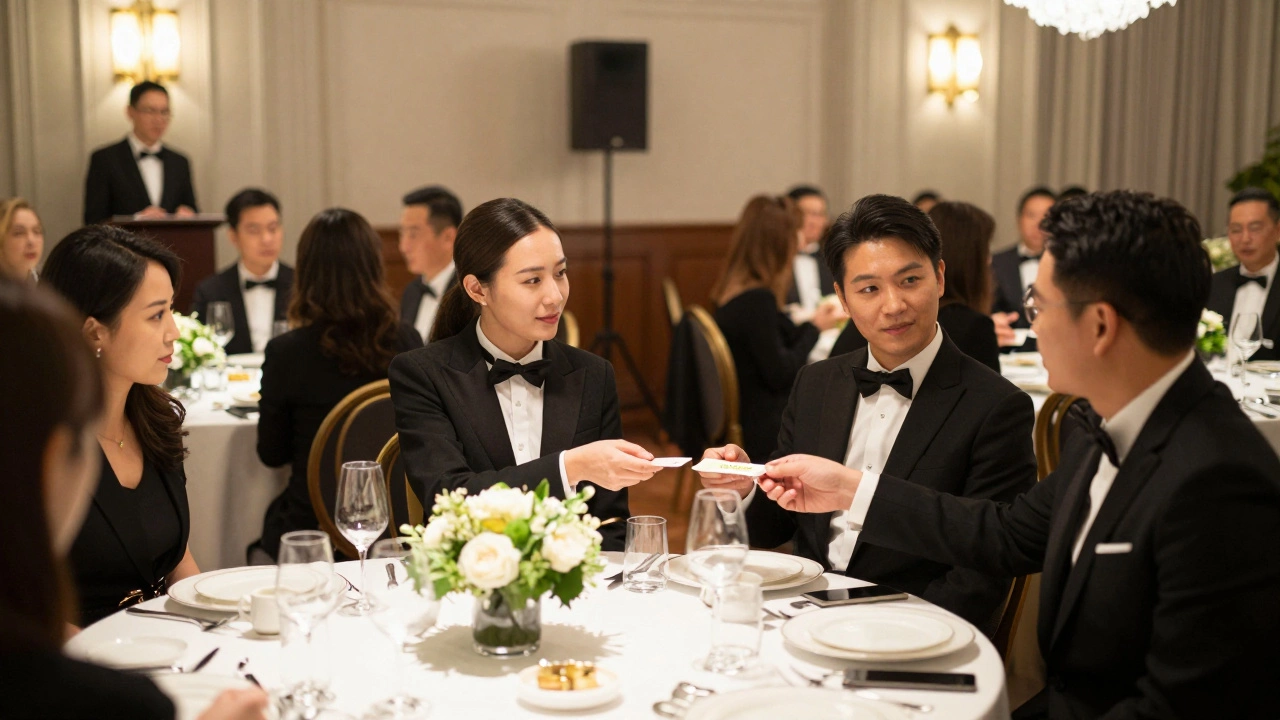
Gala dinners are high-end professional events. They often raise money for charities but also serve as showcases for donors and sponsors. Black-tie attire is standard. Seating charts are meticulously planned to facilitate specific introductions. Speaking up too loudly or behaving casually can damage your professional reputation.
Team-building retreats are another variant. While they include recreational activities, the underlying purpose is organizational alignment. Employees are encouraged to bond outside the office hierarchy. Success here means participating willingly, even if you’re introverted. Opting out can signal lack of teamwork.
How to Choose Your Next Party Type
When planning, ask yourself three questions:
- Who is the audience?
- What is the budget?
- What is the desired outcome?
Don’t underestimate the power of clarity. When inviting people, specify the type of party. "Come over for drinks" is vague. "Join us for a casual taco night" sets expectations. Clear communication reduces stress for both hosts and guests.
What is the difference between a cocktail party and a reception?
A cocktail party is a standalone social event focused on mingling with standing room and finger foods. A reception is typically part of a larger ceremony, like a wedding, and includes seated meals, dancing, and structured programming. Receptions are more formal and longer-lasting.
Is a potluck considered a formal event?
No, potlucks are inherently informal. They rely on guest contribution for food, which creates a relaxed, communal atmosphere. Dress codes are usually casual, and etiquette is lenient compared to hosted dinners.
How do I decide what to wear to a party?
Check the invitation for dress code hints. If none are given, consider the venue and time. Evening events in restaurants lean formal; daytime backyard gatherings lean casual. When in doubt, slightly overdressing is safer than underdressing.
Can I mix party types?
Yes, many modern events blend styles. For example, a "cocktail-style wedding reception" combines the formality of a wedding with the mobility of a cocktail party. Just ensure the transition is clear to guests so they know how to behave.
What is the most low-effort party to host?
A movie night or a board game night requires minimal preparation. You provide snacks and the activity, and guests handle the rest. Potlucks are also low-effort regarding food, though they require coordination.