Dollywood Ownership & History Quiz
Think you know the truth behind the billboard? Take this quick quiz to see if you understand how Dolly Parton's partnership with Herschend Family Entertainment works.
Loading question...
Quiz Complete!
You scored 0 out of 5.
You’ve probably seen the photos. Bright lights, roller coasters, and a certain country music legend smiling on a billboard. It’s easy to assume that Dolly Parton is the sole owner of the famous theme park in Tennessee. But here’s the twist: she doesn’t actually own it outright. Or does she? The answer is more interesting than a simple yes or no.
If you’re planning a trip to the Smoky Mountains or just curious about how celebrity branding works in the entertainment industry, you need the real story. This isn’t just about who holds the deed; it’s about how one woman turned her hometown pride into a global tourism powerhouse. Let’s break down exactly what Dolly owns, who runs the place, and why this partnership model changed everything for Pigeon Forge, Tennessee.
The Short Answer: Yes, But With Partners
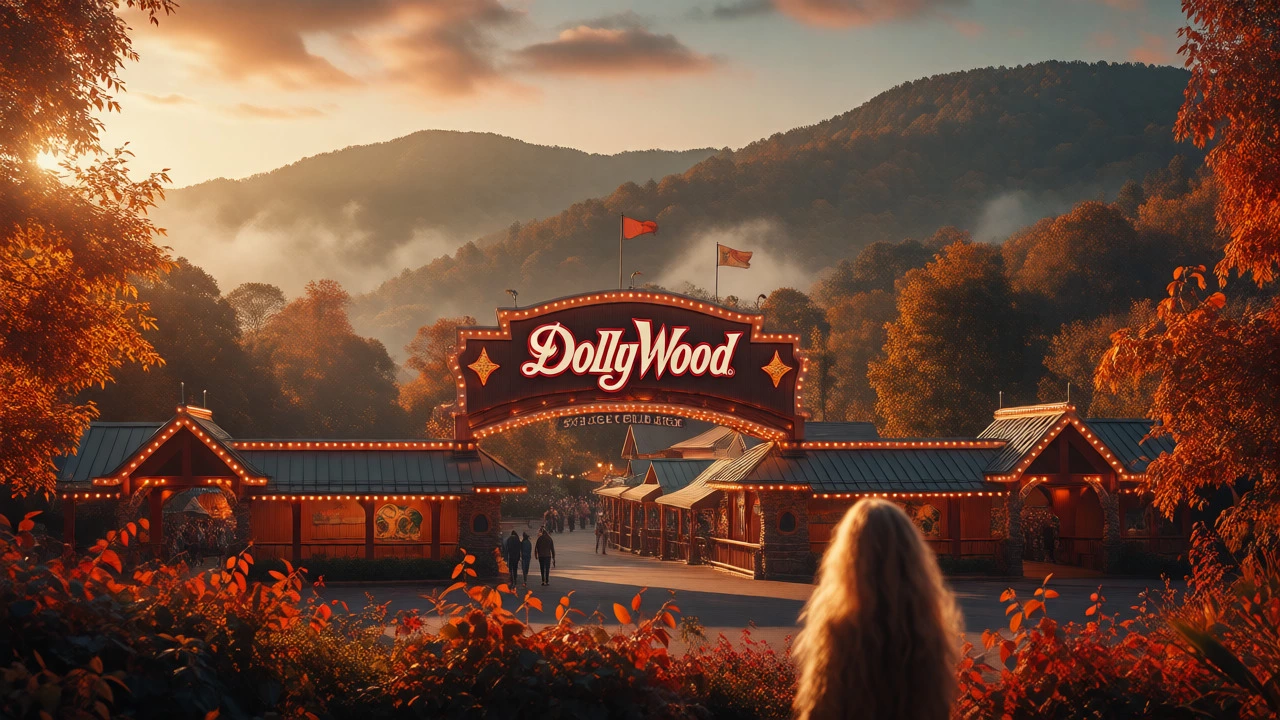
Technically, Dolly Parton is a co-owner. She didn’t buy the park alone, nor did she sell herself out completely. In 1986, when the park was struggling under the name Opryland USA, Dolly partnered with Herschend Family Entertainment. Herschend already owned the land and the operations. Dolly brought the brand, the vision, and the magic.
Today, the ownership structure remains a joint venture. Herschend continues to operate the park day-to-day, handling logistics, maintenance, and staffing. Dolly retains significant creative control and equity. Think of it like this: Herschend builds the engine, but Dolly designs the car and decides where it goes. Without her name, the park would likely be just another mid-sized attraction in the Southeast. With her name, it draws millions of visitors annually.
| Feature | Dollywood | Disney World | Universal Studios |
|---|---|---|---|
| Primary Owner/Operator | Herschend & Dolly Parton (Joint) | The Walt Disney Company | Comcast/NBCUniversal |
| Celebrity Involvement | High (Creative Director/Co-Owner) | Low (Post-Walt era) | Low (Brand licensing only) |
| Location | Pigeon Forge, TN | Orlando, FL | Orlando/LA/Tokyo/Singapore |
| Thematic Focus | Appalachian Culture & Music | Fantasy & IP Franchises | Movies & Thrills |
How Dolly Parton Saved the Park
Before Dolly got involved, the site was known as Rebel Railroad, then Goldrush Junction, and finally Opryland USA. By the mid-80s, attendance was dropping. The park lacked identity. Enter Dolly Parton, a native of Sevier County, who wanted to create something that honored her roots.
In 1986, she signed a deal with Herschend. Her condition? Creative control. She insisted on showcasing Appalachian crafts, gospel music, and Southern food culture. This wasn’t just a marketing gimmick; it was a cultural preservation project. When the park reopened as Dollywood, attendance skyrocketed from 500,000 to over 3 million within a few years.
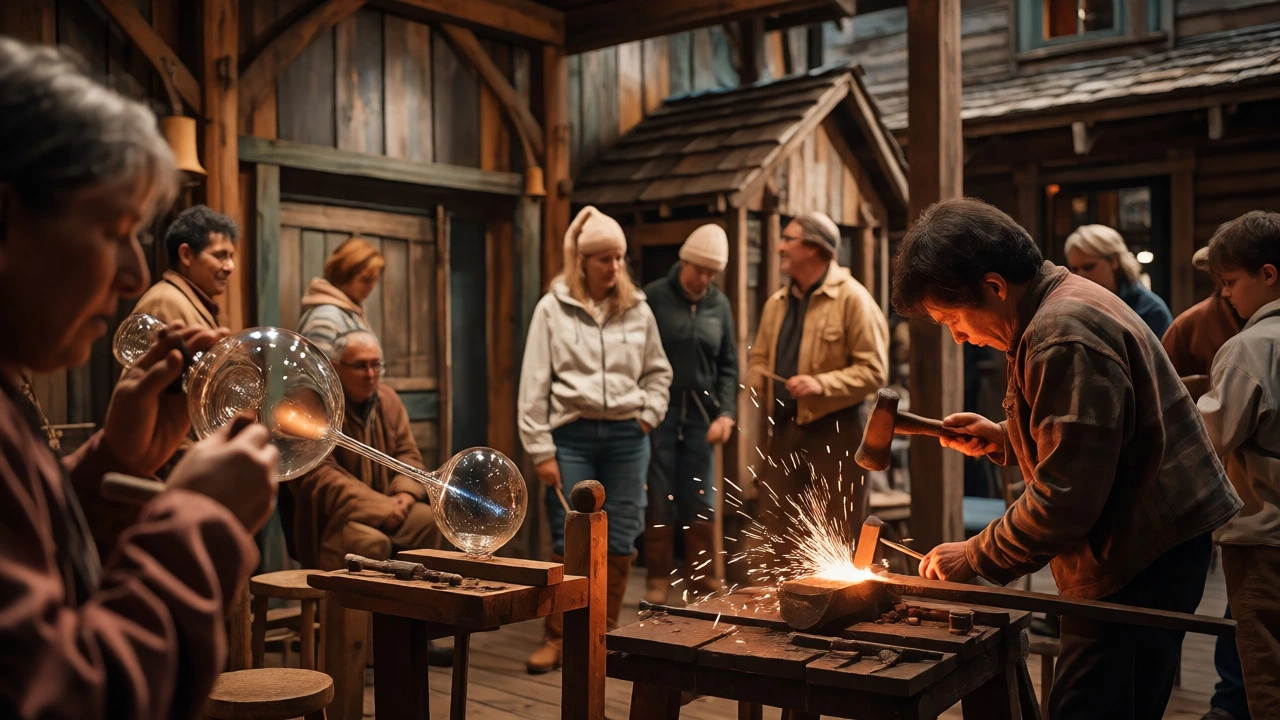
This move proved that local authenticity could compete with global franchises. While other parks were building generic thrill rides, Dolly built experiences rooted in history. You can still see this today in areas like Craftsman’s Valley, where artisans demonstrate traditional skills like glassblowing and blacksmithing right in front of guests.
What Does Dolly Actually Control?
Many people think “owner” means you decide if the ticket price goes up by five dollars. That’s not quite right. As a co-owner and creative director, Dolly’s influence is strategic rather than operational.
- New Attractions: Dolly has final say on major new rides and shows. If Herschend wants to build a new coaster, they pitch it to her. If it doesn’t fit the vibe, she says no.
- Entertainment Lineup: She curates the musical performances. From bluegrass festivals to pop concerts, the stage lineup reflects her taste and connections in the music industry.
- Charitable Initiatives: A huge part of Dollywood’s mission is community outreach. Dolly drives programs like the Imagination Library, which mails free books to children. These initiatives are often integrated into the park experience through educational zones.
Herschend handles the heavy lifting: safety inspections, payroll, supply chains, and marketing execution. They provide the capital for expansion. Dolly provides the soul. It’s a symbiotic relationship that has lasted nearly four decades.
Why This Model Works Better Than Full Ownership
You might wonder, why didn’t Dolly just buy the whole thing? Running a theme park is brutal. It requires managing thousands of employees, navigating complex regulations, and dealing with weather-related closures. For a musician whose primary income comes from touring and royalties, full operational ownership would be a distraction.
By partnering with Herschend, Dolly leverages their expertise. Herschend is a family-owned company based in Branson, Missouri, with deep roots in the tourist attraction business. They know how to run profitable parks. Dolly knows how to make people feel welcome and entertained. Together, they created a blueprint for celebrity-themed attractions.
Compare this to other celebrity ventures. Many fail because the star tries to manage operations without understanding the business side. Dolly stayed in her lane-branding and creativity-while letting professionals handle the rest. This division of labor is key to Dollywood’s longevity.
Beyond the Park: Dolly’s Broader Empire
Owning a stake in Dollywood is just one piece of Dolly’s portfolio. She also owns Dollywood’s Splash Country, a water park located nearby. Again, this is operated by Herschend, but carries her brand.
She also launched DreamMore Resorts, a luxury hotel complex adjacent to Dollywood. Here, Dolly has even more creative input, designing rooms inspired by her songs and life stories. This vertical integration allows her to capture more revenue from tourists who stay multiple days.
Her involvement extends beyond physical assets. Through her production company, Sandollar Productions, she creates TV specials and films that often feature Dollywood locations. This cross-promotion keeps the park relevant in pop culture year-round, not just during peak vacation seasons.
Visiting Dollywood: What You Need to Know
If you’re convinced to visit, here’s what makes Dollywood different from other parks. It’s smaller than Disney, which sounds like a downside but is actually a benefit. You can walk from one end of the park to the other in under 20 minutes. No massive transport systems needed.
The atmosphere is distinctly Southern. Staff wear costumes inspired by historical Appalachian attire. The food menu features biscuits, fried chicken, and sweet tea alongside standard fairground snacks. During the fall, the park hosts the Harvest Food Festival, featuring pumpkin patches and live music. In winter, Smoky Mountain Christmas transforms the park with millions of lights and holiday shows.
Tickets are priced dynamically, similar to major competitors. Expect to pay between $70 and $100 for a single-day pass, depending on the season. Multi-day tickets offer better value if you plan to visit Splash Country too.
Common Misconceptions About Dolly’s Wealth
Some critics argue that Dolly doesn’t “really” own the park because she didn’t fund its construction. Others claim she’s just a figurehead. Both views miss the point of modern intellectual property economics.
Dolly’s name is an asset worth billions. Licensing her brand to Herschend allowed the park to grow faster than it could have organically. In return, she receives a share of profits and maintains equity. This is a smart financial move. It diversifies her income stream beyond music royalties and protects her wealth from market fluctuations in the recording industry.
Furthermore, her charitable work enhances the park’s reputation. Visitors don’t just go for rides; they go to support a business that gives back to the community. This emotional connection drives loyalty in a way that pure profit motives rarely achieve.
Who currently operates Dollywood?
Dollywood is operated by Herschend Family Entertainment. However, Dolly Parton is a co-owner and serves as the Creative Director, maintaining significant influence over the park's direction and branding.
Did Dolly Parton build Dollywood from scratch?
No, she did not build it from scratch. The park existed previously as Opryland USA. Dolly Parton rebranded and revitalized the existing park in 1986 through a partnership with Herschend, adding her personal touch and Appalachian theme.
Is Dolly Parton the CEO of Dollywood?
No, Dolly Parton is not the CEO. The day-to-day management and executive leadership are handled by Herschend Family Entertainment executives. Dolly focuses on creative oversight and public representation.
Does Dolly Parton own any other theme parks?
Yes, she is also associated with Dollywood's Splash Country, a water park in Pigeon Forge, Tennessee. Like Dollywood, it is operated by Herschend but carries her brand and creative influence.
Why did Dolly Parton partner with Herschend?
She partnered with Herschend because they had the operational expertise and resources to run a large-scale attraction. This allowed Dolly to focus on branding and creative content while ensuring the park was managed professionally.