Outdoor Activity Planner & Essentials Calculator
Activity Details
Enter your activity details to get personalized recommendations and a safety checklist.
Imagine this: you’ve packed the car, bought the fancy snacks, and convinced your friends that a spontaneous weekend hike is the perfect idea. You arrive at the trailhead only to realize it’s pouring rain, the path is muddy and slippery, and nobody brought a map. Sound familiar? Planning an outdoor activity isn’t just about showing up; it’s about ensuring you actually enjoy the experience without getting stuck in a bad situation.
Whether you are looking to climb a mountain, go kayaking on a lake, or simply have a picnic in the park, the difference between a disaster and a great memory often comes down to preparation. Good planning removes the stress so you can focus on the fun. Here is how you can structure your next adventure to ensure it goes smoothly from start to finish.
Define Your Goal and Group Dynamics
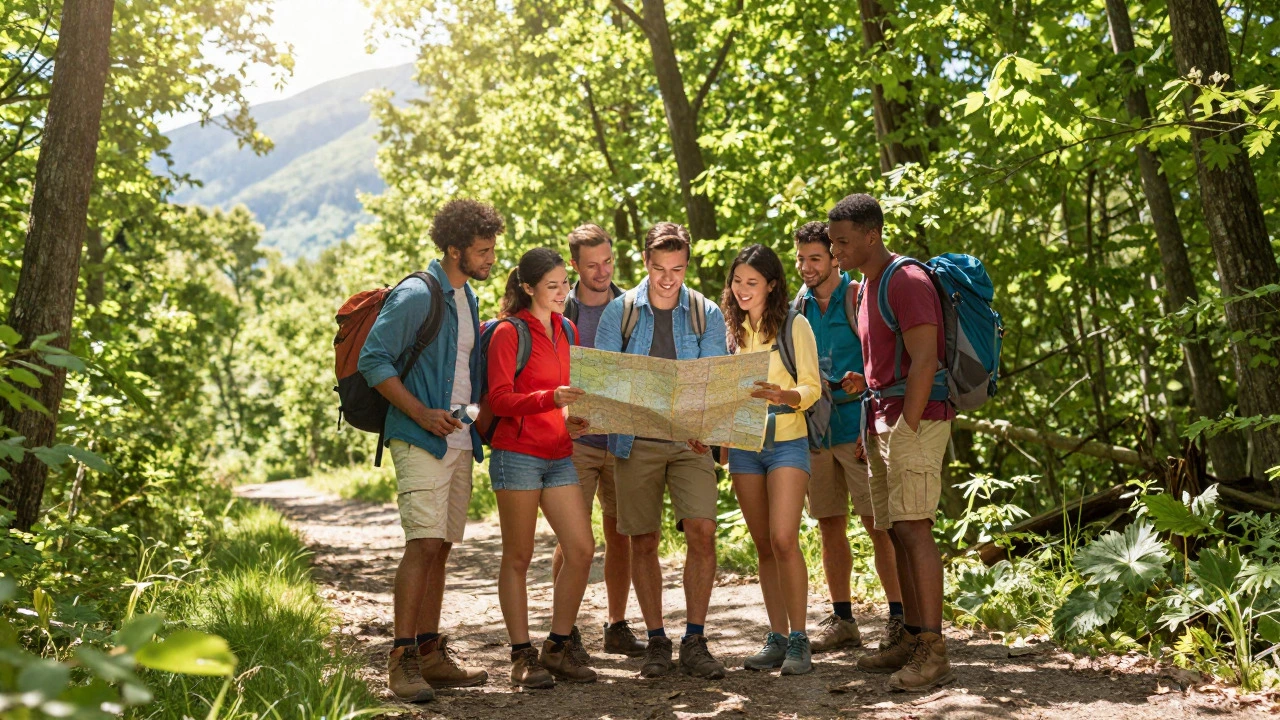
Before you look at maps or buy gear, you need to know what you are actually doing and who is going with you. This step sounds obvious, but many trips fail because the leader assumes everyone has the same fitness level or interests.
Start by asking yourself what kind of experience you want. Are you seeking adrenaline, like rock climbing or white-water rafting? Or do you want relaxation, such as bird watching or a gentle nature walk? Once you have the activity type, assess your group. If you are bringing along beginners, avoid technical routes that require specialized skills. If you are going solo, you have more flexibility but need to be stricter about safety protocols.
Consider these factors when defining your goal:
- Fitness Levels: Can everyone handle a steep incline or long distance?
- Experience: Does anyone know how to use a compass or read a topographic map?
- Duration: Is this a two-hour afternoon trip or an overnight camping expedition?
Aligning expectations early prevents frustration later. A mismatched group often leads to slow progress, complaints, or even injuries. Keep the first few outings simple to build confidence and trust within the group.
Research the Location and Conditions
Knowing where you are going is half the battle. Don’t just pick a spot because it looks good on social media. You need to understand the terrain, the rules, and the environment. Use reliable resources like national park websites, local tourism boards, or dedicated outdoor apps to gather information.
Check for any seasonal closures, permit requirements, or fire bans. Many popular trails require reservations during peak seasons, and failing to book in advance means wasting your day driving to a closed gate. Also, look into the wildlife in the area. Are there bears? Do you need bear canisters? Are there ticks or mosquitoes prevalent at this time of year?
Understanding the landscape helps you choose the right route. Look at elevation profiles. A five-mile hike might sound easy, but if it involves gaining 3,000 feet in elevation, it will feel much harder than a flat five-mile walk. Use tools like AllTrails or Gaia GPS to visualize the difficulty before you go.
Check the Weather Forecast Properly
The weather is the biggest variable in any outdoor plan. A sunny morning can turn into a thunderstorm by afternoon, especially in mountainous regions. Checking the weather isn’t just about seeing if it will rain; it’s about understanding microclimates and rapid changes.
Use multiple sources to verify the forecast. Apps like AccuWeather or The Weather Channel provide general overviews, but for detailed planning, look at radar maps and hourly breakdowns. Pay attention to wind speeds, humidity levels, and UV index. High winds can make exposed ridges dangerous, while high humidity can lead to heat exhaustion even on cool days.
Always have a backup plan. If the forecast shows a 60% chance of rain, consider moving the activity indoors or choosing a sheltered location. Flexibility is key. If conditions deteriorate once you are out there, know your escape routes. Never push through severe weather just to reach a summit or destination.
Pack the Essentials and Beyond
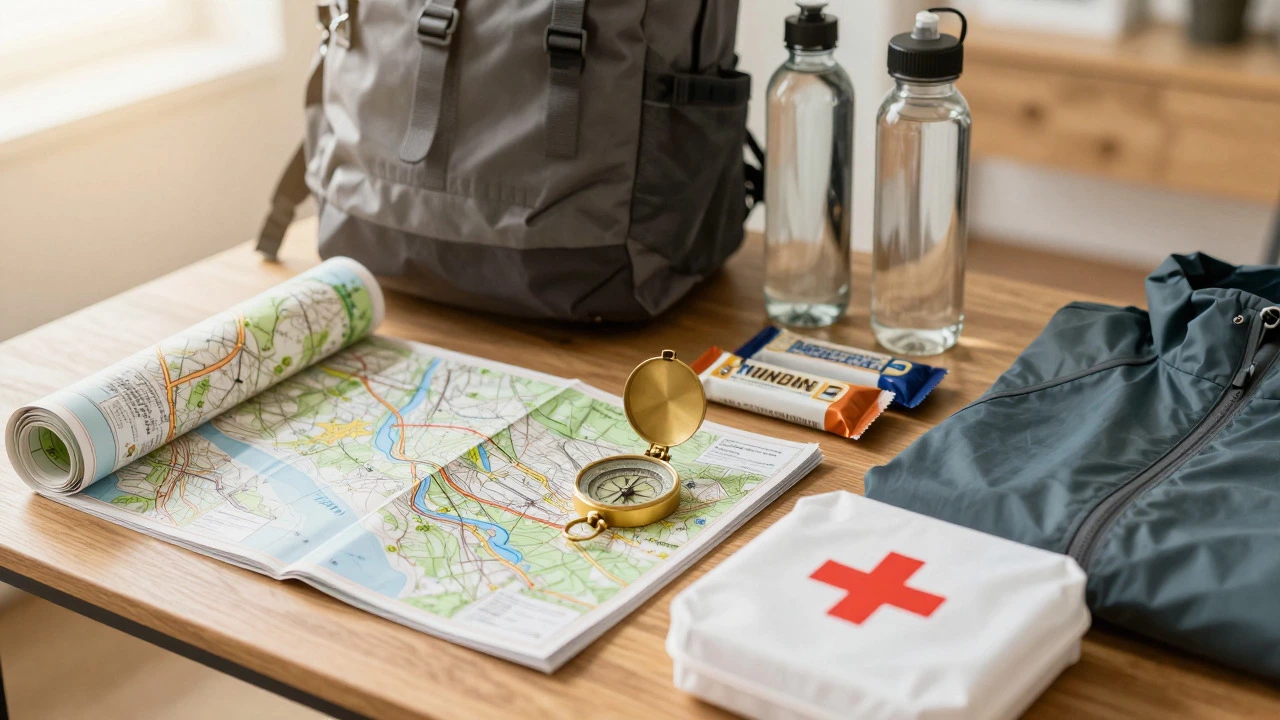
Packing correctly can save your life. The Ten Essentials system, developed by mountaineers, provides a baseline for what every hiker should carry, regardless of the trip length. These include navigation tools, sun protection, insulation, illumination, first aid supplies, fire starters, repair kits, nutrition, hydration, and emergency shelter.
Don’t skimp on water. A common mistake is underestimating how much fluid you will lose through sweat. As a rule of thumb, carry at least one liter of water per two hours of activity in moderate conditions. In hot weather or high altitudes, you may need more. Bring electrolyte tablets or sports drinks to replenish salts lost through sweating.
Food is another critical component. Pack high-energy, non-perishable snacks like nuts, energy bars, dried fruit, and jerky. Avoid heavy meals that require digestion while you are active. For longer trips, consider dehydrated meals that only require boiling water.
| Category | Items to Include | Why It Matters |
|---|---|---|
| Navigation | Map, Compass, GPS Device | Batteries die; paper doesn't. |
| Safety | First Aid Kit, Whistle, Headlamp | Injuries happen; visibility drops at dusk. |
| Comfort | Extra Layers, Rain Jacket, Sunscreen | Weather changes rapidly outdoors. |
| Sustenance | Water, Snacks, Electrolytes | Maintains energy and prevents dehydration. |
Create a Trip Plan and Share It
One of the most underrated safety steps is telling someone where you are going. Create a written trip plan that includes your destination, route, expected return time, and vehicle details. Leave this plan with a trusted friend or family member who stays home.
Instruct them to call for help if you do not check in by a specific time. This creates a safety net. If you get injured, lost, or delayed, rescue teams can locate you faster because they know your last known position and intended path.
Include contact numbers for local emergency services and ranger stations in your notes. Cell service can be spotty in remote areas, so having physical copies of important information is wise. Some parks offer registration desks where you can log your entry and exit times; always use these services when available.
Prepare for Emergencies
Even with perfect planning, things can go wrong. Being prepared for emergencies means having the right mindset and equipment. Carry a basic first aid kit tailored to your activity. For hiking, include blister treatment, bandages, antiseptic wipes, and pain relievers. For water activities, add waterproof tape and scissors.
Know how to use your gear. Having a fire starter is useless if you don’t know how to build a fire. Practice using your tent, stove, and navigation tools at home before heading into the wild. Familiarity reduces panic in stressful situations.
Understand the signs of common outdoor ailments like hypothermia, heat stroke, and altitude sickness. Early recognition allows for timely intervention. If symptoms appear, stop, assess, and treat immediately. Do not ignore warning signs hoping they will pass.
Respect Nature and Local Regulations
Part of planning responsibly is minimizing your impact on the environment. Follow the Leave No Trace principles. Stay on marked trails to protect vegetation, pack out all trash, and dispose of human waste properly. Camp on durable surfaces and keep a safe distance from wildlife.
Check local regulations regarding pets, drones, and campfires. Many areas restrict dog access to protect native species or prevent conflicts. Drone usage may be prohibited in national parks to preserve tranquility. Adhering to these rules ensures that outdoor spaces remain accessible and pristine for future visitors.
Support local economies by hiring guides, staying in nearby lodgings, and buying supplies from regional stores. Your participation contributes to conservation efforts and community well-being. Responsible planning extends beyond personal safety to environmental stewardship.
Review and Adapt After the Trip
After returning from your outdoor activity, take time to reflect on what worked and what didn’t. Did you pack too much? Was the pace too fast? Did the weather catch you off guard? Journaling your experiences helps improve future plans.
Share feedback with your group. Constructive discussion builds better teamwork for next time. Note any new skills you learned or gear that performed exceptionally well. Continuous improvement makes each outing safer and more enjoyable.
Planning an outdoor activity is an investment in your enjoyment and safety. By defining goals, researching locations, checking weather, packing essentials, sharing plans, preparing for emergencies, respecting nature, and reviewing outcomes, you set yourself up for success. The outdoors offers incredible rewards for those who prepare thoughtfully. Start small, stay curious, and always prioritize safety over ego.
What are the Ten Essentials for outdoor activities?
The Ten Essentials are a list of items recommended for safety in the backcountry: navigation (map, compass), sun protection (sunglasses, sunscreen), insulation (extra clothing), illumination (headlamp), first aid supplies, fire (matches, lighter), repair kit and tools (knife), nutrition (extra food), hydration (extra water), and emergency shelter (space blanket).
How much water should I bring for a day hike?
A general guideline is one liter of water per two hours of hiking in moderate conditions. In hot weather, high altitudes, or strenuous terrain, increase this amount. Consider carrying electrolyte supplements to replace salts lost through sweat.
Do I need a permit for outdoor activities?
It depends on the location and activity. Many national parks, wilderness areas, and popular trails require permits for day use or overnight camping. Check the official website of the land management agency (e.g., National Park Service) before your trip to avoid fines or denied entry.
What should I do if I get lost during an outdoor activity?
Stop immediately. Do not wander further. Try to retrace your steps to a known point. Use your map and compass to orient yourself. If you cannot find your way, stay put, signal for help using a whistle or mirror, and conserve energy and water. Rescuers will find you faster if you remain stationary.
How can I minimize my impact on the environment?
Follow the Leave No Trace principles: plan ahead, travel on durable surfaces, dispose of waste properly, leave what you find, minimize campfire impacts, respect wildlife, and be considerate of other visitors. Pack out all trash and avoid disturbing plants or animals.
Is it safe to go outdoors alone?
Solo outdoor activities can be safe if planned carefully. Inform someone of your itinerary and expected return time. Carry communication devices like a satellite messenger. Choose familiar routes and start with shorter trips to build confidence. Always prioritize self-reliance and caution.
What gear is essential for beginner hikers?
Beginners should invest in sturdy hiking boots, moisture-wicking clothing, a comfortable backpack, a headlamp, a basic first aid kit, a map and compass, and plenty of water and snacks. Avoid expensive technical gear until you determine your specific interests and frequency of use.
How do I check weather forecasts for remote areas?
Use specialized apps like Mountain Forecast or Windy that provide elevation-specific data. Cross-reference with local ranger station updates and radar maps. Remember that weather in mountains can change rapidly, so always prepare for worst-case scenarios even if the forecast looks clear.