Find Your Perfect Nature Hobby
Answer these three quick questions to discover which nature exploration activity suits your lifestyle and interests best.
Staring at a screen all day leaves you feeling drained. You crave fresh air, but the idea of planning a complex expedition feels overwhelming. What if your hobby didn't require expensive gear or months of training? It could just be sitting still and watching a leaf fall. Nature exploration is the practice of engaging with the natural world through observation, activity, or creative expression. Unlike traditional sports, it focuses on connection rather than competition. This guide breaks down accessible ways to reconnect with the outdoors, tailored for people who want genuine experiences without the hassle.
Why Your Brain Needs Outdoor Hobbies
You might think spending time outside is just "nice," but science backs up the need for it. Researchers have found that exposure to green spaces lowers cortisol levels significantly. In Japan, they call this shinrin-yoku, or forest bathing. It’s not about exercise; it’s about sensory immersion. When you step into a park or trail, your brain shifts from directed attention fatigue to soft fascination. This state allows mental resources to replenish.
Think about how you feel after a long drive versus a walk in the woods. The former leaves you tense; the latter often clears mental fog. Engaging in specific hobbies accelerates this benefit because they give your mind a gentle focus point. Instead of worrying about emails, you’re looking for patterns in tree bark or listening for specific bird calls. This active engagement prevents rumination and boosts mood more effectively than passive relaxation.
Birdwatching: Start Small, Observe Often
Birdwatching is the observational study of birds in their natural habitats. It ranks as one of the most popular entry-level nature hobbies globally. Why? Because birds are everywhere. You don’t need a plane ticket to see interesting species. A window feeder can launch a lifelong passion.
Many beginners make the mistake of buying expensive binoculars immediately. Don’t do that. Start with your eyes and ears. Learn three common birds in your area first. In Wellington, where I live, recognizing the Tūī by its bell-like song changes how you hear the city. Once you identify those three, expand slowly. Use a free app like Merlin Bird ID to help with identification, but rely on your own observations to build memory.
The real joy comes from noticing behavior, not just names. Did that robin hop or fly? Was the sparrow feeding young? These details turn a simple glance into a story. Keep a small notebook in your pocket. Jotting down what you see reinforces learning and gives you a tangible record of your progress.
Hiking and Trail Walking: Beyond the Step Count
Hiking is often marketed as fitness. Forget the calorie count for a moment. Hiking is a recreational activity involving walking on trails or paths, typically in rural areas. Its value lies in varied terrain and changing scenery. When you hike, you engage different muscle groups and balance mechanisms compared to walking on flat pavement. But the mental shift is even more profound.
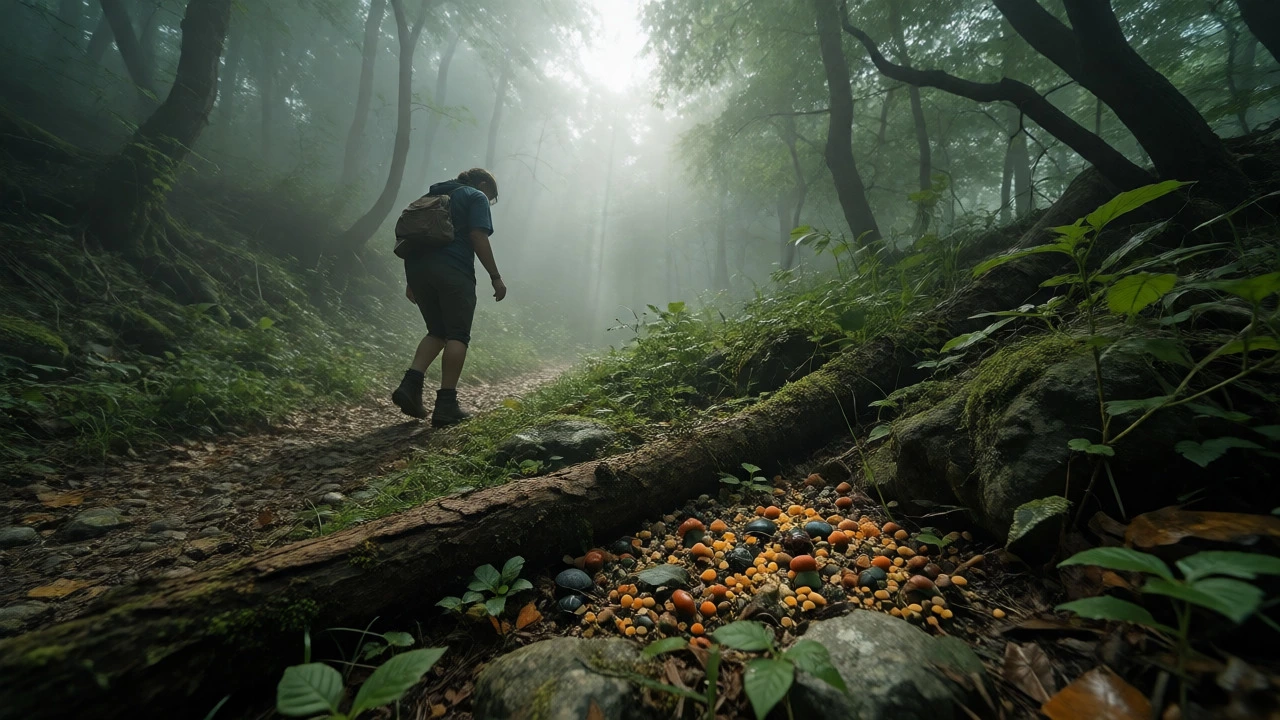
Try "slow hiking." Instead of rushing to a summit, stop every ten minutes. Look at the ground. Identify mosses, fungi, or insect tracks. This approach transforms a physical workout into an educational experience. You’ll notice micro-ecosystems you’d otherwise miss. For example, a fallen log isn’t just debris; it’s a hotel for beetles and a nursery for ferns.
Safety matters, but don’t let fear stop you. Stick to marked trails initially. Wear sturdy shoes with good grip. Check the weather forecast-mountain weather changes fast. Bring water, even for short walks. If you’re new, start with loops under five kilometers. Success builds confidence. Once you’re comfortable, try longer routes or off-trail navigation using a map and compass, which adds a layer of problem-solving to the fun.
Nature Journaling: Capture More Than Photos
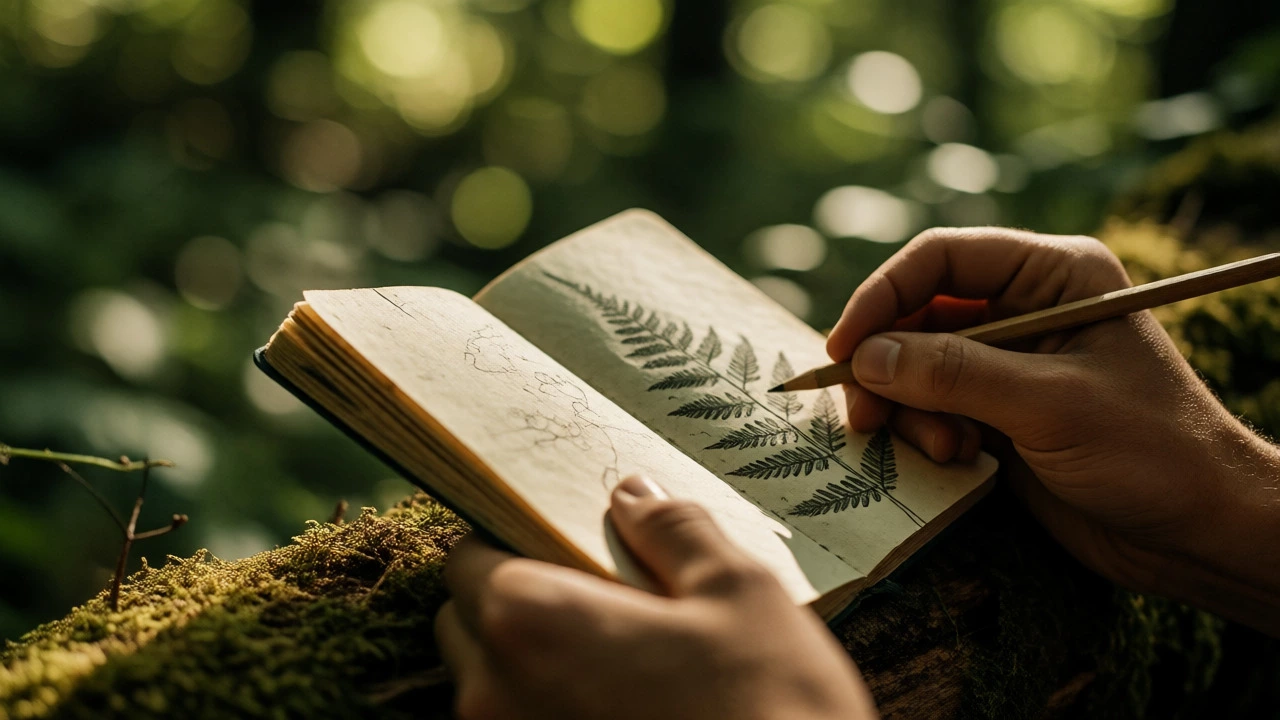
We take thousands of photos, yet rarely look at them again. Nature journaling is the practice of recording observations of the natural world through text, sketches, and samples. It forces you to slow down and really see. You don’t need artistic talent. A stick figure drawing of a flower captures its shape better than a blurry photo sometimes.
Start with a dedicated notebook. Date every entry. Note the location, weather, and time. Then, describe one thing in detail. Not just "it was pretty," but "the petals were jagged and purple at the edges." Sketching helps you notice symmetry, texture, and color gradients. Over time, your journal becomes a personal field guide to your local environment.
This hobby also improves mindfulness. When you commit to drawing a leaf for ten minutes, you can’t check your phone. You enter a flow state. Many practitioners find this therapeutic. It combines creativity with observation, offering a dual benefit that pure photography lacks. Plus, reviewing old journals shows seasonal changes you might have forgotten, deepening your sense of place.
Gardening and Foraging: Hands-On Connection
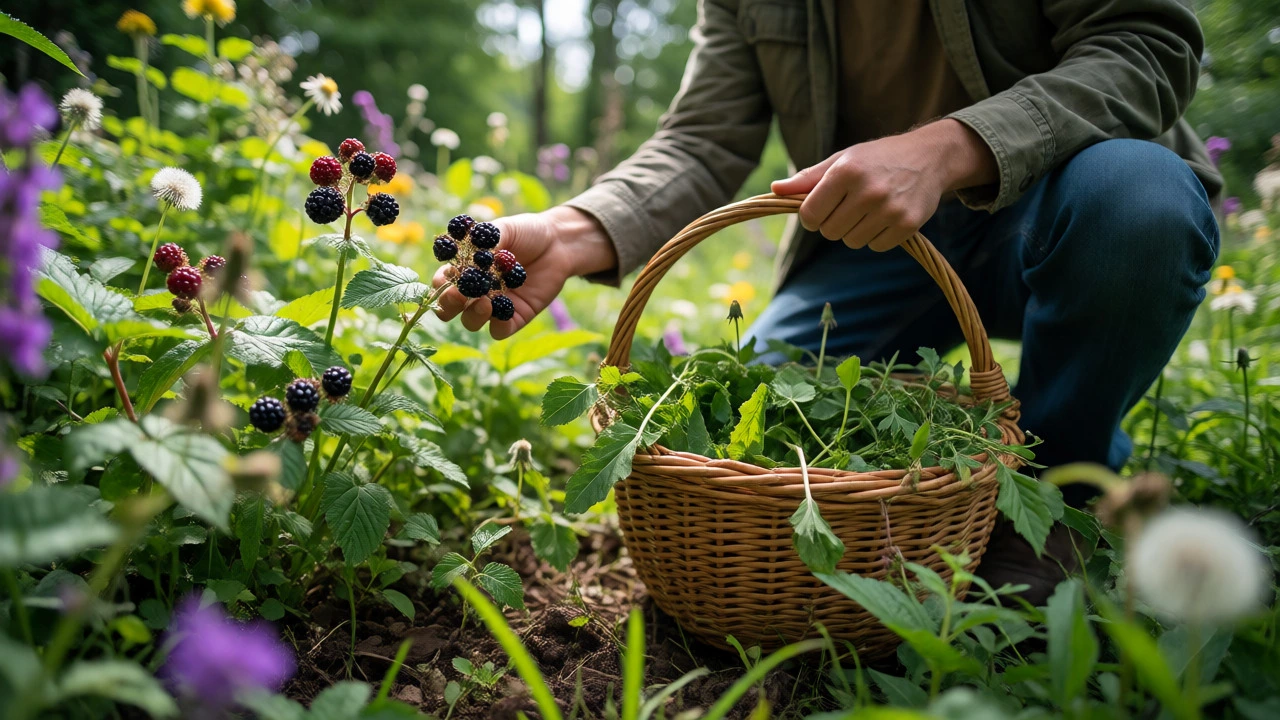
If you prefer doing over watching, try gardening or foraging. Foraging is the act of searching for wild food resources such as plants, mushrooms, and fruits. It connects you directly to the food chain. However, caution is essential. Never eat anything unless you are 100% sure of its identity. Start with easy-to-identify plants like dandelions or blackberries.
Gardening offers similar rewards. Even a small balcony garden teaches patience and ecosystem dynamics. You learn why pests appear, how soil health affects growth, and the importance of pollinators. It’s practical biology. Watching a tomato ripen after weeks of care provides a satisfaction digital work never matches.
Combine these hobbies. Grow herbs, then use them in cooking. Forage for greens, then cook them. This cycle closes the loop between nature and daily life. It makes the abstract concept of "sustainability" concrete and personal.
Choosing Your First Hobby
Not sure where to start? Consider your personality and constraints. Do you like solitude? Try journaling or birdwatching. Prefer movement? Hiking fits best. Enjoy hands-on tasks? Gardening or foraging suits you. Here’s a quick comparison to help you decide:
| Hobby | Initial Cost | Physical Effort | Skill Required | Best For |
|---|---|---|---|---|
| Birdwatching | Low (Free to $50) | Low | Identification | Observation lovers |
| Hiking | Medium ($50-$150) | High | Navigational | Active individuals |
| Nature Journaling | Very Low ($5-$20) | Low | Sketching/Writing | Creatives & Mindfulness seekers |
| Foraging | Low ($0-$30) | Medium | Botanical Knowledge | Cooks & Curious minds |
Remember, consistency beats intensity. Ten minutes of birdwatching daily yields more insight than one hour once a month. Pick one hobby, commit to it for two weeks, then reassess. You might find you love combining them-hiking while journaling, for instance.
Tips for Sustaining Your Interest
Enthusiasm fades if you don’t track progress. Set small goals. Learn five new plant names this month. Spot a new bird species this week. Join local groups. Online forums or community meetups provide support and shared knowledge. They also hold you accountable.
Respect nature always. Follow Leave No Trace principles. Take only pictures, leave only footprints. This ethic ensures the environments you enjoy remain vibrant for others. Also, accept variability. Some days you’ll see nothing interesting. That’s part of the process. The quiet moments teach patience just as much as the exciting ones.
Do I need expensive equipment to start exploring nature?
No. Most nature hobbies require minimal gear. Birdwatching can start with bare eyes and a free app. Hiking needs only sturdy shoes. Journaling requires a pen and paper. Invest in equipment only after you’ve confirmed your interest to avoid unnecessary costs.
Is nature journaling suitable for non-artists?
Absolutely. The goal is observation, not artistic perfection. Simple line drawings, lists, or descriptive words are valuable. Many successful journals contain rough sketches and notes. Focus on capturing details you notice, not creating gallery-worthy art.
How safe is foraging for beginners?
It carries risk if done incorrectly. Always consult local experts or reliable guides before eating wild plants. Start with easily identifiable species like blackberries or dandelions. Avoid mushrooms until you have advanced knowledge, as many toxic varieties resemble edible ones.
Can these hobbies be done in urban areas?
Yes. Cities host diverse wildlife and plant life. Urban parks, gardens, and even street trees offer opportunities for birdwatching, journaling, and identifying plants. You don’t need wilderness access to connect with nature; you just need awareness.
What is the best way to stay motivated?
Set achievable micro-goals and share your findings with friends or online communities. Tracking progress in a journal or app provides visible evidence of improvement. Joining a local club adds social accountability and shared excitement.