Panic Management Planner
Answer three quick questions to build your personal game-day plan.
Complete all three questions to see your risk level and get tailored recommendations.
Your Top Triggers
Recommended Mitigations
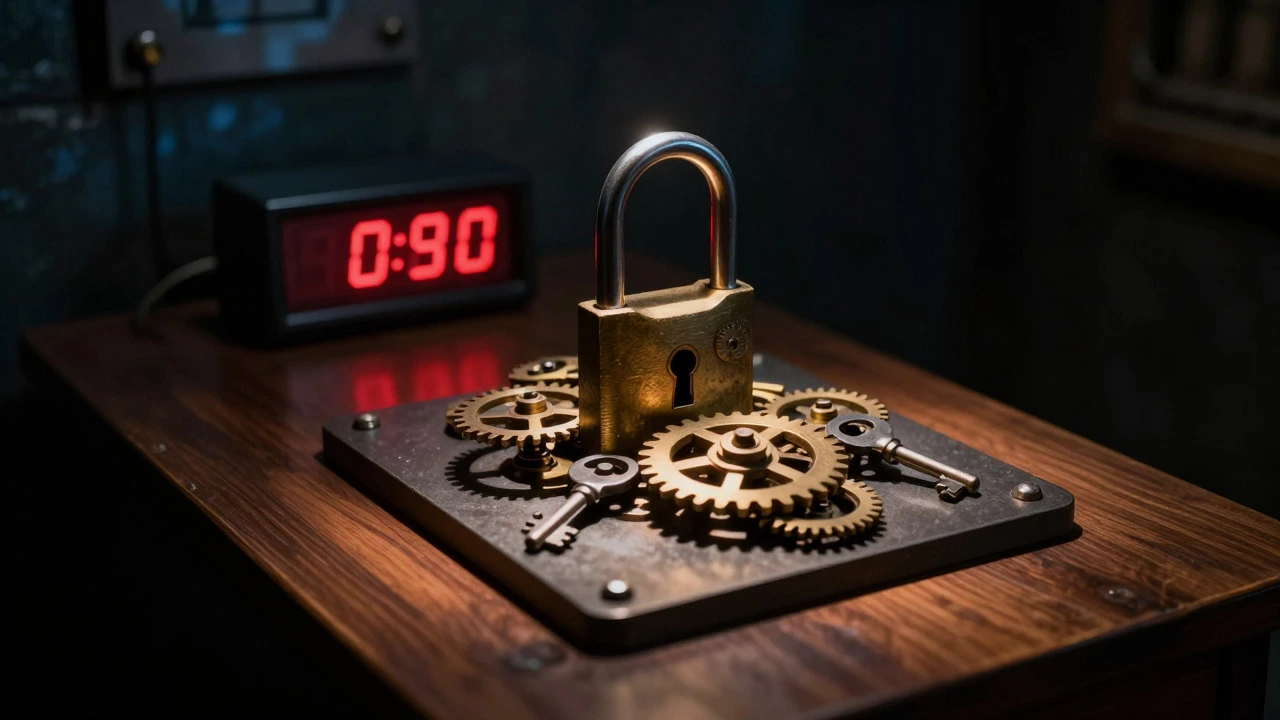
Imagine this: the clock is ticking down from sixty minutes, the lights are dim, and your heart is pounding like a drum. You’re staring at a complex lock mechanism, but your mind has gone blank. This isn’t just stress; it’s a full-blown panic response triggered by the high-pressure environment of an escape room. While these games are designed to be fun, the combination of time pressure, confined spaces, and social expectations can trigger anxiety for even the most confident players. But here’s the good news: panic is manageable, and knowing how to handle it can turn a stressful experience into a memorable one.
Why Do People Panic in Escape Rooms?
To solve the problem, you first need to understand the cause. Panic in an escape room usually stems from three specific triggers: time pressure, fear of failure, and sensory overload. The timer creates a sense of urgency that mimics real-life danger, activating your body's "fight or flight" response. Meanwhile, the fear of letting your team down adds a layer of social anxiety. Finally, the immersive design-dark corners, sudden sounds, and tight spaces-can overwhelm those sensitive to sensory input. Recognizing these triggers helps you prepare mentally before you even step through the door.
Your brain interprets the ticking clock as a threat. In evolutionary terms, running out of time meant missing a crucial opportunity for survival. Today, it just means failing to open a box. However, your amygdala doesn’t make that distinction. It releases adrenaline, which increases your heart rate and narrows your focus. This tunnel vision makes it harder to see simple clues that were obvious when you were calm. Understanding this biological reaction removes the shame from feeling nervous. You aren’t weak; you’re human reacting to a simulated crisis.
Pre-Game Preparation Strategies
Preparation is your best defense against on-site panic. Before the game starts, talk openly with your group about expectations. Agree that the goal is to have fun, not necessarily to win. This single shift in mindset reduces the pressure significantly. If you know you’re prone to anxiety, consider choosing a themed room that feels less intense. A cozy detective office is generally less triggering than a dark dungeon or a haunted house. Most escape room operators offer descriptions of their rooms online, so use them to pick an environment that feels safe and engaging rather than scary.
- Communicate early: Tell your friends if you feel overwhelmed. They will likely be more supportive if they know what to look for.
- Choose wisely: Select a room with a moderate difficulty level if you are new to the format. Avoid “extreme” or “horror” themes until you build confidence.
- Arrive early: Give yourself ten minutes to settle in. Rushing to the start only adds to the initial spike in adrenaline.
Techniques to Regain Control Mid-Game
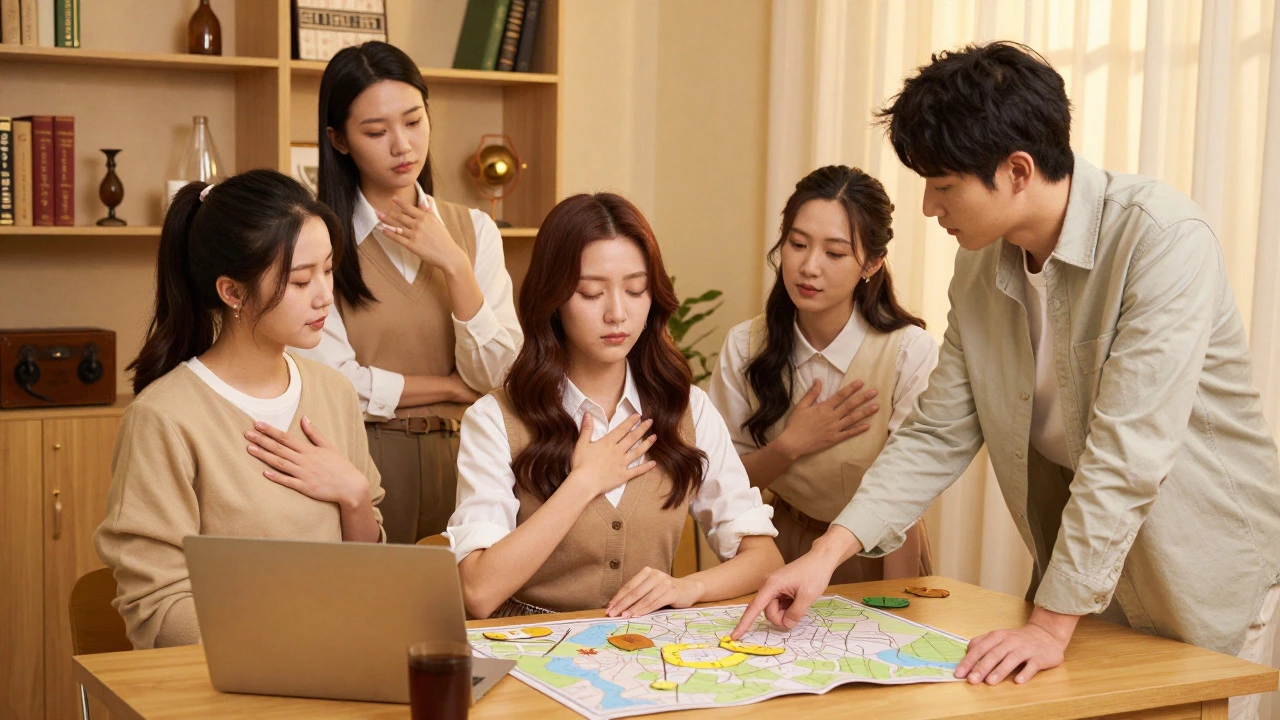
If you feel the panic rising during the game, try these immediate techniques. First, take a physical pause. Step back from the puzzle you’re stuck on. Move to a different corner of the room. Changing your physical position can break the mental loop. Second, practice box breathing. Inhale for four seconds, hold for four, exhale for four, and hold for four again. This simple exercise forces your parasympathetic nervous system to kick in, lowering your heart rate and clearing your head. It takes less than thirty seconds but can reset your cognitive function effectively.
Another powerful tool is role delegation. If you’re the one panicking, you might be trying to do too much. Hand off the current puzzle to a teammate and switch roles. Maybe you become the observer, looking for hidden items, while someone else handles the locks. This prevents you from getting stuck in a feedback loop of frustration. Remember, escape rooms are team-based. No single person is expected to solve everything. Distributing the workload keeps everyone engaged and reduces individual pressure.
The Role of Communication in Team Dynamics
Panic often spreads silently. One person gets frustrated, sighs loudly, or stops talking, and the rest of the group picks up on the tension. To prevent this, establish a communication protocol before the game. For example, agree on a signal for “I need a break” or “Let’s try something else.” This ensures that no one feels trapped in a difficult situation without an easy way out. Encourage positive reinforcement. Instead of saying, “That’s wrong,” say, “What if we tried it from the other side?” Small shifts in language keep the atmosphere collaborative rather than competitive.
| Trigger | Physiological Response | Immediate Mitigation |
|---|---|---|
| Time Pressure | Increased heart rate, tunnel vision | Box breathing, delegate tasks |
| Social Anxiety | Mental fog, self-doubt | Reframe goal to "fun," positive language |
| Sensory Overload | Overwhelm, irritability | Step away from stimulus, change location |
When to Ask for Help
Many players hesitate to ask for hints because they feel it ruins the challenge. In reality, using hints is part of the game design. If you’ve been stuck on a puzzle for more than five minutes, it’s time to call for help. A hint doesn’t mean you failed; it means you’re progressing. Game masters are trained to guide you without giving away the solution. They can point you in the right direction, breaking the deadlock and restoring your confidence. Don’t let pride keep you stuck. The goal is to enjoy the journey, not just reach the finish line.
Also, don’t be afraid to leave the room temporarily if the anxiety becomes unmanageable. Most escape rooms allow you to step out for a minute to breathe. There’s no penalty for taking a breather. Your health and comfort matter more than the score. If you decide to leave, communicate clearly with your group so they can continue without worry. This flexibility is a feature of modern escape room design, ensuring accessibility for all types of players.

Post-Game Reflection and Growth
After the game, take a moment to reflect on what worked and what didn’t. Did certain puzzles trigger more anxiety than others? Was the theme too intense? Use this information to tailor your next experience. Over time, you’ll build resilience. What felt overwhelming today might feel manageable next month. This gradual exposure is a common technique in overcoming phobias and anxieties. Celebrate small wins. Even if you didn’t escape, if you managed to stay calm during a tough moment, that’s a victory.
Consider keeping a journal of your experiences. Note down which strategies helped you regain control. Did breathing exercises work? Did delegating tasks reduce your stress? These personal insights are invaluable. They transform a generic activity into a personalized learning experience. Next time you walk into an escape room, you won’t just be playing a game; you’ll be practicing emotional regulation in a low-stakes environment. That’s a skill you can carry into your daily life.
Frequently Asked Questions
Is it okay to fail an escape room?
Absolutely. Most players don't escape on their first try. Failing is part of the process and provides valuable lessons about teamwork and problem-solving. The experience is just as rewarding whether you succeed or not.
How long should I wait before asking for a hint?
A good rule of thumb is five minutes. If your group hasn't made progress after five minutes, it's time to ask for help. This prevents frustration from building up and keeps the game moving forward.
Can I leave the room if I get anxious?
Yes. Most escape rooms allow you to step out briefly to collect yourself. Just inform your group so they can continue playing. There is no penalty for taking a short break to manage your anxiety.
What type of escape room is best for people with anxiety?
Look for rooms with bright lighting, familiar themes (like offices or libraries), and moderate difficulty levels. Avoid horror-themed rooms or those with very tight spaces if you are sensitive to sensory input.
Does the group size affect panic levels?
Yes. Smaller groups (4-6 people) tend to be more efficient and less chaotic. Larger groups can lead to confusion and increased pressure. Stick to a smaller team to maintain better communication and reduce stress.