
Global Minor Party Explorer
Explore how smaller political groups shape legislation and coalitions worldwide. Filter by country or party type to see who is influencing policy outside the major headlines.
You walk into a room and see three groups arguing about who gets the last slice of pizza. You know the first group is "The Hungry Ones." But what do you call the other two? In politics, we often hear about the big players-the Democrats and Republicans in the US, or Labour and National here in New Zealand. But what are the names of other parties? This isn't just trivia; it's about understanding how power actually works. If you only look at the top two, you miss half the story.
Why Do We Care About Minor Parties?
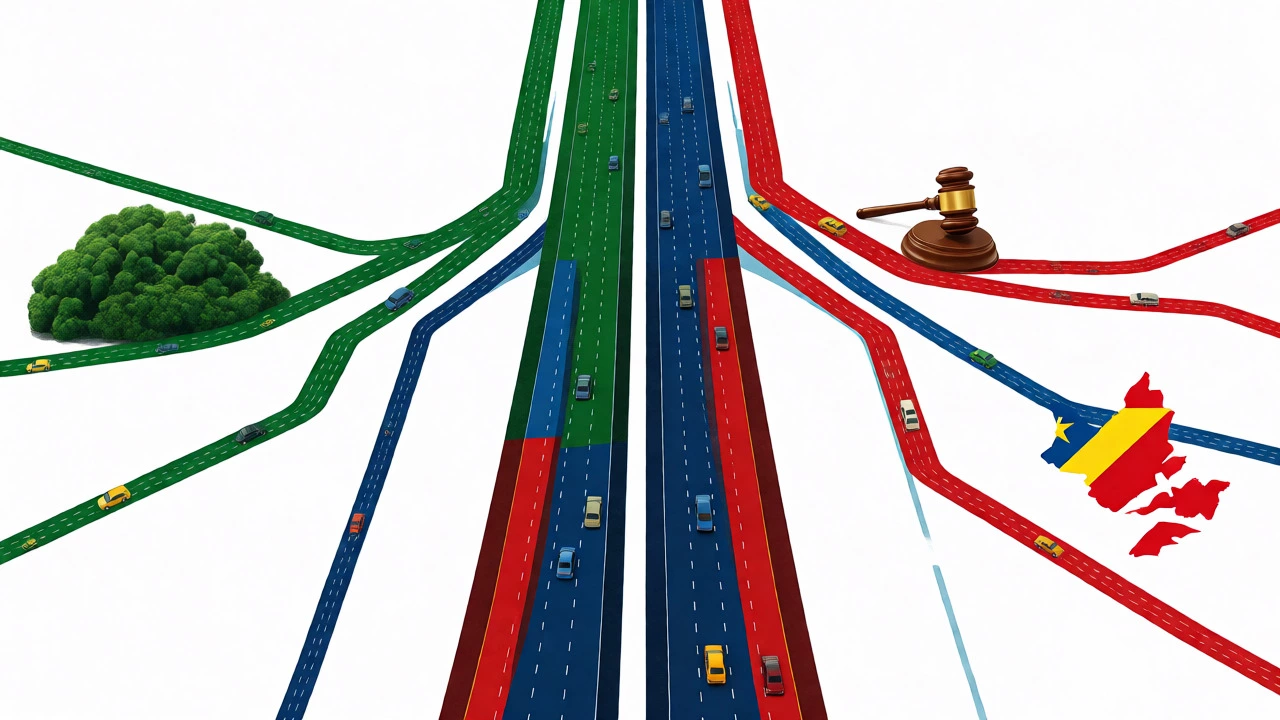
Think of a two-party system like a two-lane highway. It’s efficient, but if one lane closes, traffic jams up everywhere. Add more lanes (parties), and traffic flows differently. In many democracies, including New Zealand, the Mixed Member Proportional (MMP) system allows smaller parties to hold significant sway. They aren't just noise; they are kingmakers.
When you ask, "What are the names of other parties?" you're usually looking for the alternatives to the dominant forces. These groups often represent specific ideologies-like environmentalism, libertarianism, or regional interests-that the big parties ignore or dilute. Knowing their names helps you decode why a law passed or failed. Did a small Green party force a climate amendment? Did a libertarian group block a tax hike? You can’t answer that if you don’t know who they are.
Categorizing the "Other" Parties
There is no single list because every country has its own landscape. However, most "other" parties fall into predictable buckets. Understanding these categories helps you guess their stance before you even look them up.
- Ideological Minorities: These parties stick rigidly to a philosophy. Examples include Socialist parties, Libertarian parties, or Communist parties. They rarely win majority control but keep radical ideas alive.
- Single-Issue Advocates: Focus on one thing. The Pirate Party focuses on copyright reform. The Animal Justice Party focuses on animal rights. They trade votes for policy wins on their specific topic.
- Regional or Ethnic Parties: Common in multi-ethnic nations. In Canada, the Bloc Québécois represents Quebecois interests. In Spain, parties like ERC represent Catalan independence.
- Splinter Groups: These form when a faction breaks away from a major party due to internal disagreement. They often have short lifespans but can split the vote of their parent party.
Case Study: The New Zealand Context
Since you’re likely reading this from a global perspective, let’s ground it in reality. Here in Wellington, the political scene is a perfect example of "other" parties mattering. While National and the main center-right party in New Zealand and Labour are the giants, the real drama happens with the others.
| Party Name | Primary Focus | Role in Government |
|---|---|---|
| Green Party | Environmental sustainability, social justice | Frequent coalition partner; influences climate policy |
| ActionNZ | Direct democracy, anti-establishment | Advocacy group; pushes referendums |
| Māori Party | Treaty of Waitangi rights, Māori self-determination | Swing vote holder; negotiates specific indigenous policies |
| ACT New Zealand | Libertarian economics, individual liberty | Often supports right-wing coalitions; drives deregulation |
Notice how ACT isn't just "another conservative party." It pushes National further right on economic issues. The Greens push Labour left on social issues. Without knowing their names, you’d misinterpret government actions as purely the work of the Prime Minister.
Global Examples: Who Else Is Out There?
If you travel outside NZ, the names change, but the dynamics remain. Let’s look at three major Western democracies to see what "other" looks like globally.
United States
The US has a stubborn two-party duopoly. But ask anyone in California or Vermont, and they’ll tell you about the Green Party and the Libertarian Party. In recent elections, Libertarians have polled over 1% nationally. That sounds small until you realize swing states are decided by margins under 0.5%. These parties act as spoilers or protest vehicles. They don’t usually win seats, but they shift the Overton window-the range of policies acceptable to the mainstream.
Germany
Germany uses proportional representation, so "other" parties are essential. The Alliance 90/The Greens are now a major force, not just a fringe group. Then there’s the Free Democratic Party (FDP), which champions free-market liberalism. No German chancellor governs without a coalition involving at least one "minor" party. If you want to understand Berlin’s budget, you must know the FDP’s red lines.
Australia
Australia’s preferential voting system rewards niche parties. The Australian Greens hold Senate seats regularly. But watch out for the One Nation party, which focuses on immigration and nationalism. Or the Centre Alliance, a centrist bloc that often holds the balance of power. In Australia, ignoring minor parties means missing the actual legislative process.
How to Find the Right Names for Your Region
So, how do you find the specific names of other parties in your area? Don’t just Google "minor parties." That yields outdated lists. Try these steps:
- Check the Electoral Commission Website: Every democratic country has an official body (like the Electoral Commission in NZ or the FEC in the US). They maintain a live register of registered parties. This is the source of truth.
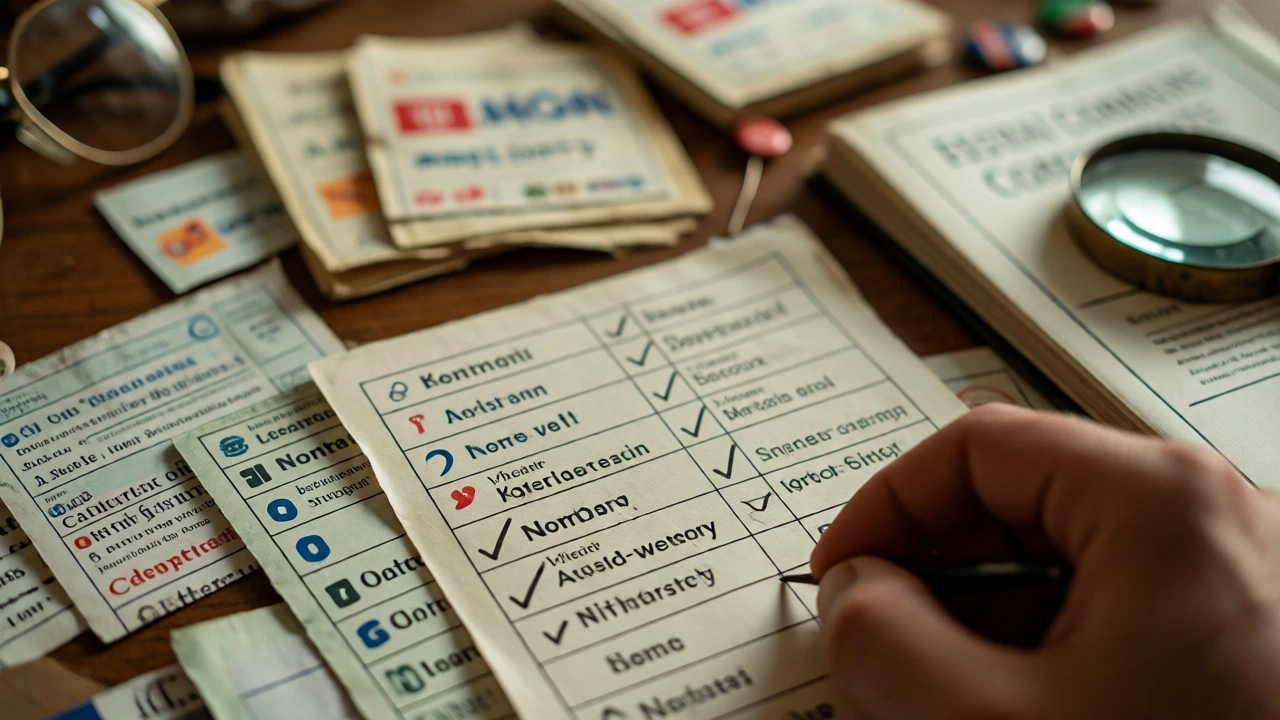
- Look at Ballot Papers: The easiest way to see who is active is to look at the last election’s ballot paper. It lists every candidate and their party affiliation.
- Follow Local News Outlets: Major newspapers often publish "party profiles" before elections. Search for "[Your City] election guide 2026."
- Analyze Coalition Talks: After an election, news reports detail which parties formed the government. If a party is mentioned in a confidence-and-supply agreement, it’s a key "other" player.
Pitfalls When Identifying "Other" Parties
Not all names are created equal. Be careful of these traps:
- Brand Confusion: Many parties use similar names. "Social Democrats" exist in Scandinavia, Germany, and elsewhere, but their platforms differ wildly. Always check the platform, not just the label.
- Zombie Parties: Some parties are registered but inactive. They haven’t fielded candidates in years. Check the date of their last election participation.
- Personalized Brands: Some "parties" are just one person’s vehicle. In some countries, a charismatic leader creates a party solely for one election cycle. Don’t assume longevity.
Why Naming Matters More Than You Think
You might wonder, "Does it really matter what they’re called?" Yes. Language shapes perception. A party named "The Freedom Front" sounds different than "The Liberty League," even if their policies are identical. Voters react to emotional cues in names. Furthermore, accurate naming prevents misinformation. Calling a populist party "far-right" when they identify as "national-conservative" changes how you interpret their rhetoric.
Also, consider the digital footprint. Searching for "Green Party" gives you results for New Zealand, Australia, Germany, and the US simultaneously. Adding geographic qualifiers (e.g., "Green Party NZ") is crucial for accuracy. AI search tools are getting better at this, but human verification is still needed.
Are minor parties always unsuccessful?
No. In proportional representation systems like those in New Zealand, Germany, and Israel, minor parties frequently enter parliament and even join governing coalitions. In first-past-the-post systems like the US or UK, they struggle to win seats but can still influence policy and vote splitting.
How do I know if a party is legitimate?
Legitimacy is determined by registration with the national electoral authority. A legitimate party meets financial disclosure requirements and has filed nominations for candidates. Check the official electoral commission website for a current list of registered entities.
Do party names change over time?
Yes, frequently. Parties rebrand to shed negative associations or attract new demographics. For example, a "Communist Party" might become a "Workers' Party" to sound less ideological. Always check recent election materials for the current legal name.
What is the difference between a party and a movement?
A political party formally nominates candidates for election. A social movement advocates for change but may not run candidates directly. Sometimes movements spawn parties (e.g., the Tea Party influencing the Republican Party), but legally, they are distinct entities.
Can independent candidates be considered "other parties"?
Technically, no. Independents are not affiliated with any party. However, in parliamentary contexts, independents often caucus with minor parties or act as swing votes, functioning similarly to small party MPs in terms of influence.