Escape Room Ready-Check
Select the items you plan to wear or bring to see if they will help or hinder your mission.
Clothing & Footwear
Gear & Accessories
Quick Takeaways
- No specialized equipment is required; the venue provides everything.
- Prioritize comfort and mobility over fashion.
- Leave bulky bags and electronics in the lockers.
- Hydrate before you enter, as there are rarely water breaks inside.
The Basics: What the Venue Provides
First things first, you don't need to show up with a utility belt. An escape room is a physical adventure game where players find clues and solve puzzles to achieve a specific goal within a time limit. Because these games are carefully calibrated, venues keep a strict handle on what enters the room. They provide the locks, the keys, the flashlights, and the props.
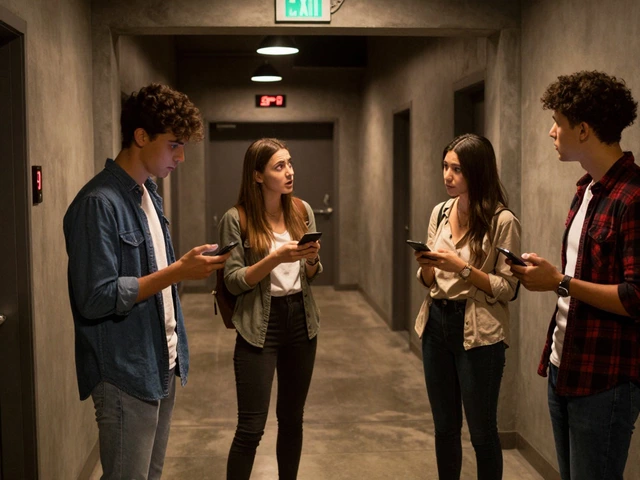
If a puzzle requires a specific tool-say, a UV light or a magnetic wand-it will be hidden inside the room as part of the gameplay. Trying to bring your own tools is usually forbidden. In fact, most Game Masters will ask you to surrender your phone and smartwatch before the timer starts. Why? Because a quick Google search for "how to solve a Caesar cipher" ruins the spirit of the game and the challenge for everyone else.
Dress for the Mission, Not the Party
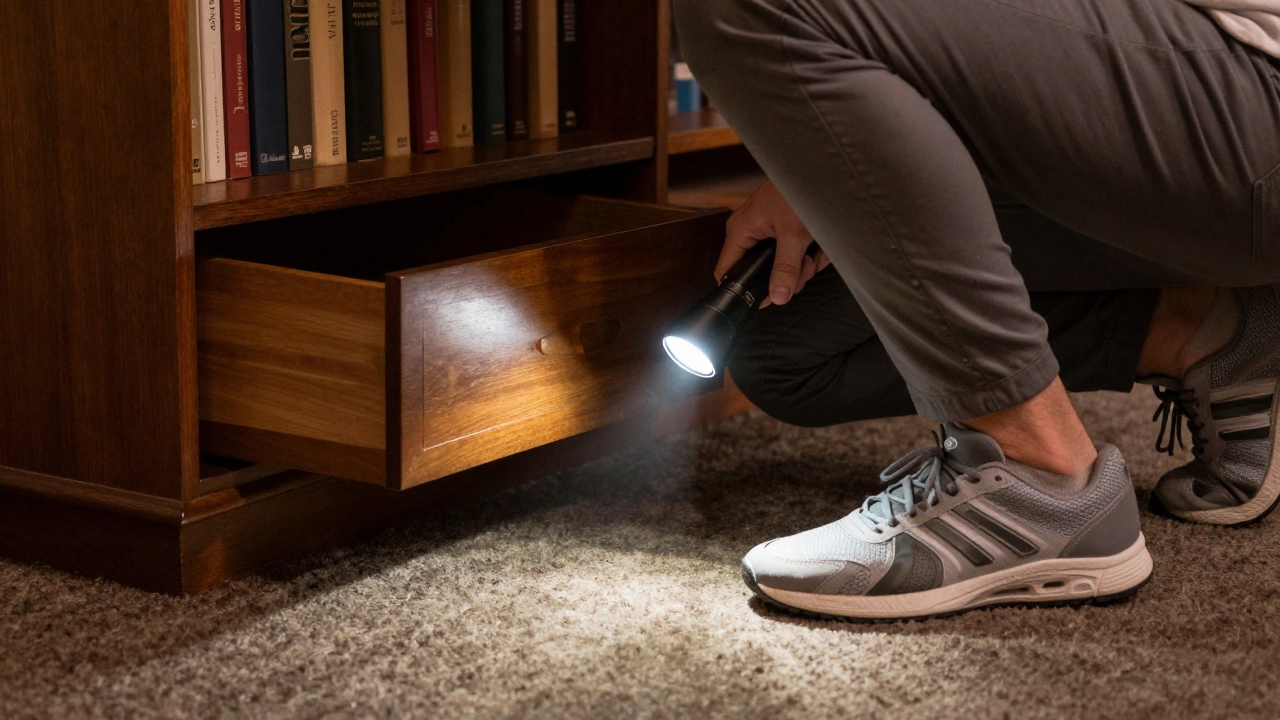
You might not be bringing gear, but what you wear acts as your gear. I've seen players struggle because they wore pencil skirts or tight suits to a corporate team-building event. Some of the best puzzles require you to crouch, lean under tables, or reach for a hidden compartment behind a bookshelf. If you're worried about ripping your pants or restricting your breathing, you're not focusing on the clues.
Opt for layers. This is a pro move. Some rooms are kept intentionally chilly to simulate a cellar or a laboratory, while others can get surprisingly warm when you have six people sprinting around a small space. A breathable t-shirt and a light hoodie are your best bets. For footwear, skip the heels or slippery flip-flops. You want shoes with a decent grip. If you're playing a more "active" room-the kind that involves crawling or climbing-sneakers are non-negotiable.
| Clothing Item | Impact on Gameplay | Recommendation |
|---|---|---|
| High Heels / Dress Shoes | Unstable movement, potential noise | Avoid |
| Athletic Sneakers | High stability and mobility | Ideal |
| Loose Jewelry / Scarves | Can get snagged on props | Minimize |
| Layered Clothing | Adaptability to room temperature | Ideal |
The "Do Not Bring" List
Beyond the obvious rule against phones, there are a few items that just get in the way. Avoid bringing large bags or backpacks into the playing area. Most places provide lockers, and you should use them. A backpack isn't just a tripping hazard; it's a distraction. You'll spend more time adjusting your straps than searching for the missing key.
Avoid bringing food or drinks into the room. Not only is it a spill risk for expensive props, but it's also generally against the house rules. If you're a caffeine addict or need a sugar boost, do it in the lobby. Once that door shuts, your only focus should be the puzzles. Attempting to eat a snack while deciphering a complex code is a recipe for a ruined prop and a frustrated Game Master.
Psychological Gear: The Mental Toolkit
Since you can't bring physical tools, you need to bring the right mental approach. The most successful teams aren't necessarily the smartest; they're the best communicators. Think of communication as your primary piece of equipment. If you find a key in the corner, don't just keep it in your pocket-shout it out. "I found a silver key!" ensures the person standing next to a locked silver chest knows exactly what to do.
Another mental tool is the "fresh eyes" technique. When you've been staring at a puzzle for ten minutes and it's not clicking, step back. Let a teammate who hasn't touched that puzzle yet take a look. This prevents "tunnel vision," a common trap where a player becomes obsessed with one wrong theory and ignores the obvious solution right in front of them.
Handling Special Needs and Accessibility
If you have specific physical needs, it's better to communicate these during the booking process rather than upon arrival. While most rooms are designed for a general audience, some might have tight spaces or dim lighting. If you require a wheelchair-accessible room, ask for a ADA compliant or accessible design. Most modern venues are happy to accommodate, but they need to know in advance to assign you to a room that fits your needs without compromising the game's challenge.
For those with sensory sensitivities, it's worth asking if the room contains strobe lights or sudden loud noises. Some horror-themed rooms use "jump scares" that involve loud bangs or flashing lights. Knowing this ahead of time lets you decide if that specific experience is right for you or if a more cerebral, mystery-focused room would be a better fit.

Post-Game Essentials
What do you need *after* the game? This is where the real gear comes in. A camera or phone (which you'll get back from the locker) is essential for that victory photo. Most venues have a "Winner's Board" where you can take a picture with your escape time.
If you're planning to visit multiple rooms in one day-a "marathon" session-bring a bottle of water and a light snack for the intervals. The mental exertion of solving complex riddles for three or four hours straight can actually be draining. A quick hit of glucose between games can keep your brain sharp for the final challenge.
Can I bring a notebook and pen to keep track of clues?
Usually, no. Most venues provide any writing materials needed for the game. Bringing your own can be seen as an unfair advantage or may interfere with the room's immersive theme. If the game requires note-taking, there will be paper or a whiteboard provided inside.
What happens if I accidentally bring my phone in?
If the Game Master catches you using a phone, they might give you a warning or, in strict venues, disqualify your team. The goal is to solve the puzzles using the clues provided, and using the internet defeats the purpose of the experience.
Is it okay to wear a watch?
Analog watches are usually fine. However, smartwatches (Apple Watch, Garmin, etc.) are often banned because they can be used to communicate or access information. It's best to leave your smartwatch in the locker to avoid any confusion.
Do I need to bring a waiver or ID?
You'll almost always need to sign a waiver before playing. Many venues allow you to do this online before you arrive. Bringing a government-issued ID is a good idea, especially if you're booking a room that requires age verification (like some horror themes or those with adult content).
Should I bring a flashlight?
No. If the room is dark, the venue will provide the necessary lighting tools as part of the game's mechanics. Bringing your own high-powered flashlight could potentially blow out the atmospheric lighting or give you an unfair advantage.
Next Steps for Your Visit
If you're heading to your first room, start by checking the venue's website for a "What to Expect" page. Each company has slightly different rules regarding electronics and dress codes. If you're organizing a group, send a quick message to your friends reminding them to wear comfortable shoes-nothing kills the vibe like someone complaining about their blisters halfway through a puzzle.
For those looking to level up, try a "Linear Room" if you're a beginner, where puzzles follow a straight path. If you're a seasoned pro, look for "Non-Linear" rooms where multiple puzzles can be solved simultaneously, requiring higher levels of team coordination and communication.