Tour Type Finder: Which One Fits Your Vibe?
Answer these 4 quick questions to find your perfect sightseeing match!
Loading...
Your Ideal Match: !
Quick Summary: Choosing Your Tour Style
- Guided Tours: Best for those who want zero stress and expert knowledge.
- Package Tours: Ideal for first-timers who want everything (hotels, flights, meals) handled.
- Independent Tours: Perfect for the adventurous soul who wants a loose plan but total control.
- Walking Tours: The gold standard for urban exploration and local secrets.
The Structured Experience: Guided Tours
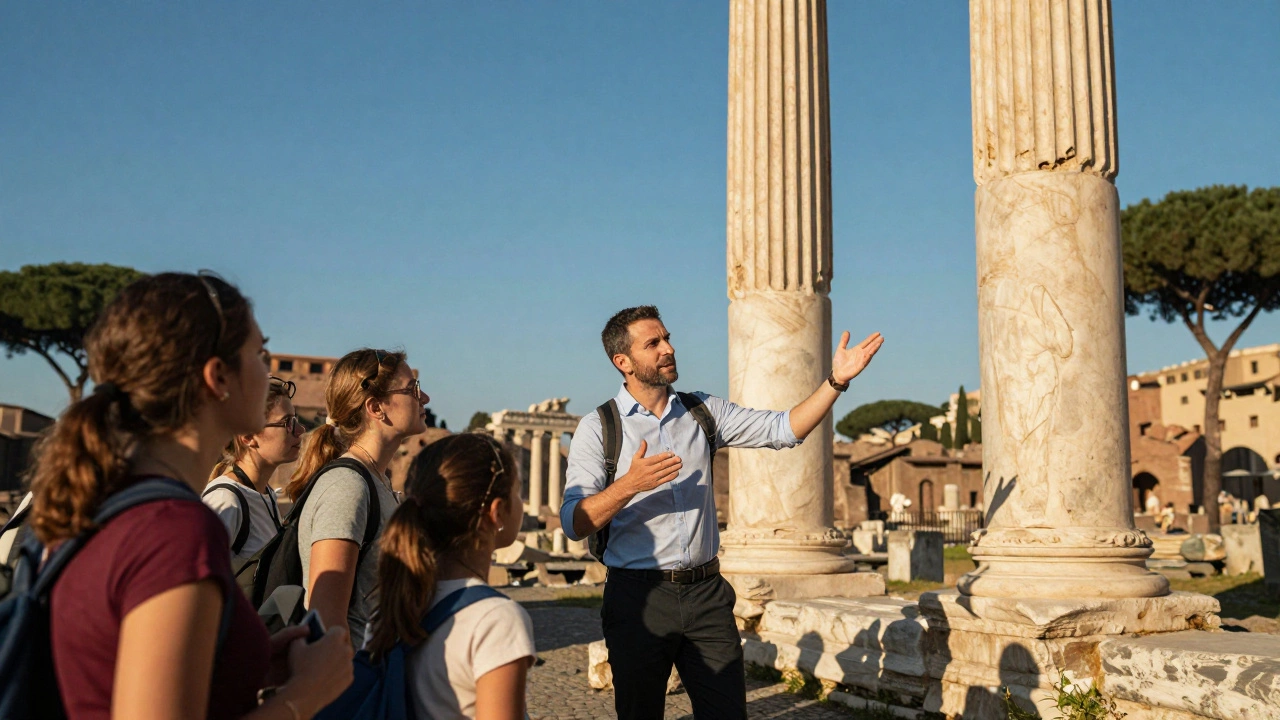
Imagine arriving in a city like Rome or Tokyo. You have no idea where to start, and the subway map looks like a bowl of spaghetti. This is where a Guided Tour is a lifesaver. A guided tour is a trip where a professional lead takes you to specific landmarks and tells you the story behind them. You aren't just looking at a building; you're learning why that building matters.
These tours usually focus on a specific theme. For example, you might book a "Ancient Ruins" tour in Athens or a "Street Art" tour in Berlin. The main draw here is the expertise. A great guide knows exactly when the crowds at the Louvre peak and can sneak you through a side entrance, or they can explain the political tension of a historic site in a way a guidebook never could.
The downside? You're on someone else's clock. If you find a tiny cafe in a side alley that you want to spend two hours in, you probably can't. You follow the flag, you stay with the group, and you move when the guide says move. It's a trade-off: you lose some spontaneity, but you gain a massive amount of context and efficiency.
The All-In-One Solution: Package Tours
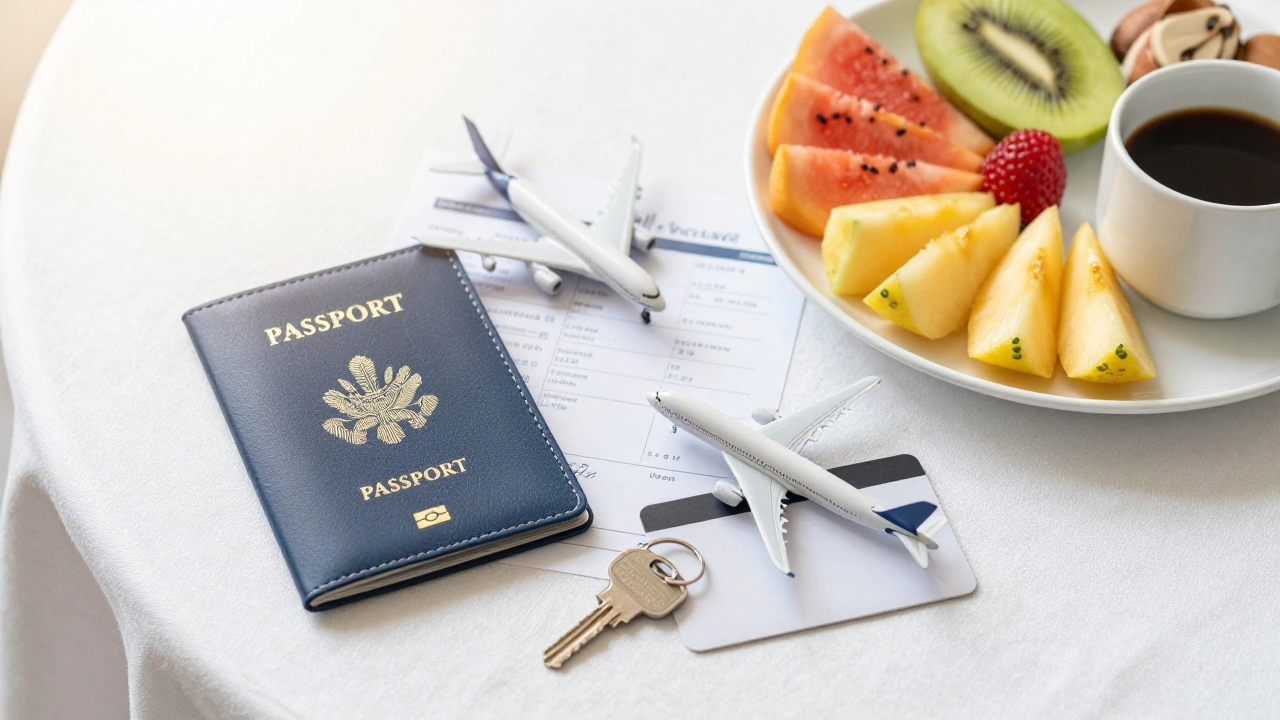
If a guided tour is about the activity, a Package Tour is about the entire logistics chain. These are the "everything included" trips. We're talking flights, hotels, breakfast buffets, and transportation between cities. You essentially buy a pre-made itinerary and slot yourself into it.
These are incredibly popular for people visiting a country for the first time. Why? Because the mental load is zero. You don't have to spend weeks researching which hotel in Bangkok is safe or how to get from the airport to the city center. The tour operator handles the friction. For someone traveling with a large family or elderly parents, this is often the only sane way to move a group of ten people across three different time zones.
However, package tours can sometimes feel like a "bubble." You see the main sights, but you might only eat at hotels or tourist-heavy restaurants. To get the most out of this, look for packages that include "free time" windows. That's where the real magic happens-when you can step away from the group and find a local bakery that doesn't have a menu in English.
| Feature | Guided Tour | Package Tour |
|---|---|---|
| Scope | Specific activity/site | Entire trip (Flight/Hotel/Tours) |
| Flexibility | Moderate (during the day) | Low (fixed itinerary) |
| Planning | You book the tour around your trip | The tour is the trip |
| Best For | Deep dives into history/culture | Stress-free, comprehensive travel |
The Freedom seeker: Independent Tours
Some people hate the idea of a flag-bearer. They want to wake up at 11 AM, decide they like the look of a particular mountain, and just drive toward it. This is the heart of the Independent Tour. Unlike a package, you aren't bound to a group. You might have a general itinerary-say, "visit three cities in Italy over two weeks"-but how you get there and where you sleep is up to you.
The beauty of independent travel is the serendipity. You might meet a local at a hostel who tells you about a hidden waterfall that isn't in any guide, and you can actually go see it because you have the keys to your own rental car. It allows for a much deeper emotional connection to the destination because you're navigating the challenges yourself.
But be warned: the "hidden cost" of independent tours is the planning time. You are now the travel agent, the navigator, and the translator. If the train is canceled in rural France, it's on you to figure out the next one. If you're okay with a bit of chaos and enjoy the thrill of the unknown, this is the way to go. If the idea of a missed connection gives you a panic attack, stick to the packages.
The Local Lens: Walking Tours
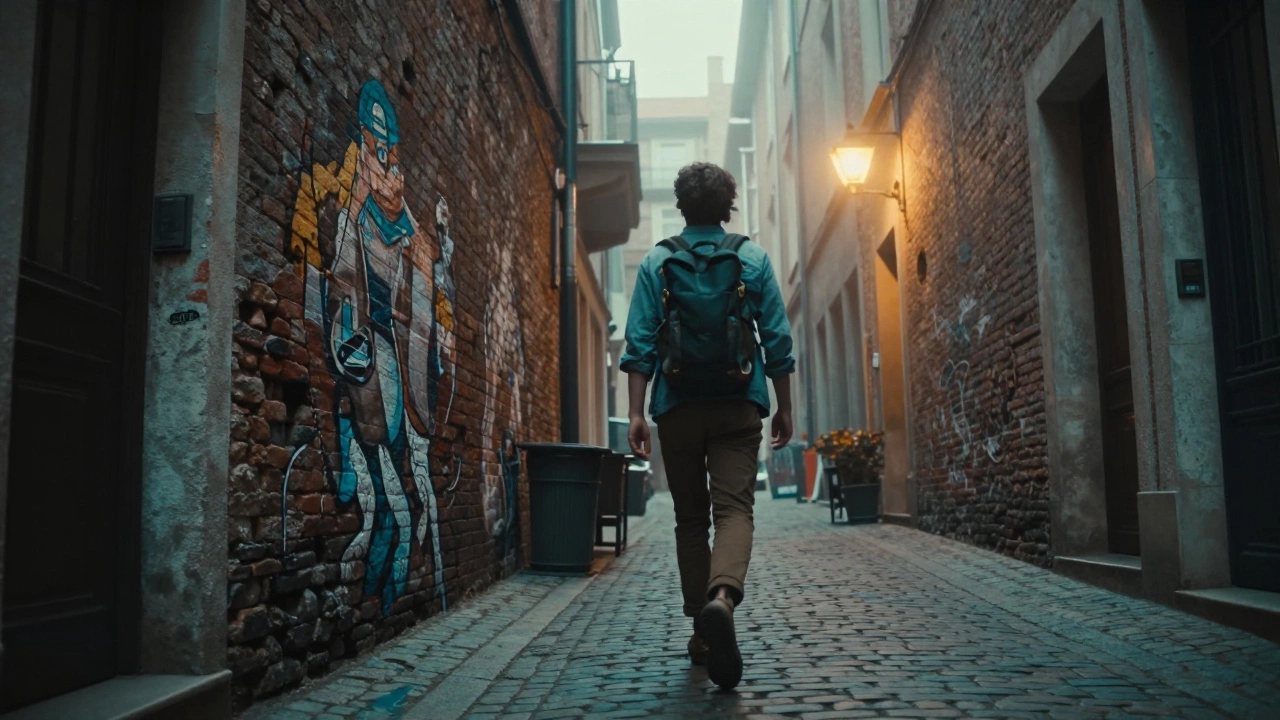
Finally, we have the Walking Tour. These are a specific breed of sightseeing. Instead of a bus or a car, your primary mode of transport is your own two feet. These are often the best way to understand the "soul" of a city because you see the details-the graffiti, the architecture of a small doorway, the smell of a local market-that you miss at 40 mph in a tour bus.
You'll often find two types here: the commercial walking tour and the "Free" walking tour. Free tours (where you tip the guide at the end) are a fantastic way to get a lay of the land on your first day. They usually cover the major landmarks and give you a sense of the city's geography. Commercial tours are usually more niche-think "Ghost Tours" in Edinburgh or "Foodie Walks" in Mexico City.
Walking tours are the most sustainable and intimate way to travel. They force you to slow down. When you walk, you aren't just moving from Point A to Point B; you're experiencing everything in between. The only real hurdle is the physical demand. If you're doing a four-hour trek through cobblestone streets, your shoes are more important than your itinerary.
How to Choose the Right Fit
Still not sure? Ask yourself what you're actually looking for. If your goal is to learn as much as possible about the French Revolution in three days, go for a guided tour. If you've never left your home state and the idea of booking a hotel in a foreign language is terrifying, a package tour is your best bet.
If you're a solo traveler who loves the feeling of getting lost and then finding your way back, lean into the independent tour style. And if you've just arrived in a new city and want to know where the best coffee is and which neighborhoods to avoid, find a walking tour immediately.
Most modern travelers actually use a hybrid approach. They might book a package tour to get to Japan, but then hire a private guide for a day in Kyoto and spend three days independently exploring the countryside. There's no rule saying you have to pick just one. Mix and match based on your energy levels and the complexity of the location.
Are package tours more expensive than independent travel?
Not always. While they may seem pricier upfront, package tours often get wholesale rates on hotels and flights that you can't get as an individual. However, you pay a premium for the convenience and the organization. If you are a master of finding budget hostels and flight deals, independent travel will be cheaper. If you value your time more than a few hundred dollars, packages are better.
What is the difference between a guided tour and a walking tour?
A walking tour is actually a type of guided tour. The main difference is the transport and scale. Guided tours can include buses, boats, or planes and often cover vast distances (like a tour of the Grand Canyon). Walking tours are limited to a small area, usually a neighborhood or a city center, focusing on a more granular, street-level experience.
Can I do an independent tour in a country where I don't speak the language?
Absolutely, but it requires more preparation. Translation apps have made this much easier. The key is to stay in areas with good transport links and use a mix of English-speaking hotels and local maps. If the language barrier feels too high, you can always hire a local guide for one or two days to help you get your bearings before venturing out alone.
What should I look for when booking a guided tour?
Check the group size first. A tour with 50 people is very different from a tour with 8. Also, look at the itinerary for "dwell time." If the schedule says you have 15 minutes at a major museum, you'll spend the whole time rushing. Look for tours that allow for exploration and have certifications from recognized travel associations.
Are 'Free' walking tours actually free?
They are generally "pay-what-you-wish." The guides are professionals who don't charge a fixed fee upfront, but they rely on tips to make a living. It is customary and expected to tip the guide at the end of the tour based on the quality of the experience. It's a great way to keep the tour accessible while still supporting local experts.
Next Steps for Your Trip
If you're planning a trip right now, start by mapping out your "must-see" list. If that list is focused on a single city, look for highly-rated walking tours. If your list spans an entire country and you've never been there, start comparing package tour operators. Regardless of what you choose, remember that the best part of traveling isn't checking a box on a list-it's the unexpected moments that happen when the plan fails. Be flexible, wear comfortable shoes, and don't be afraid to step off the beaten path.