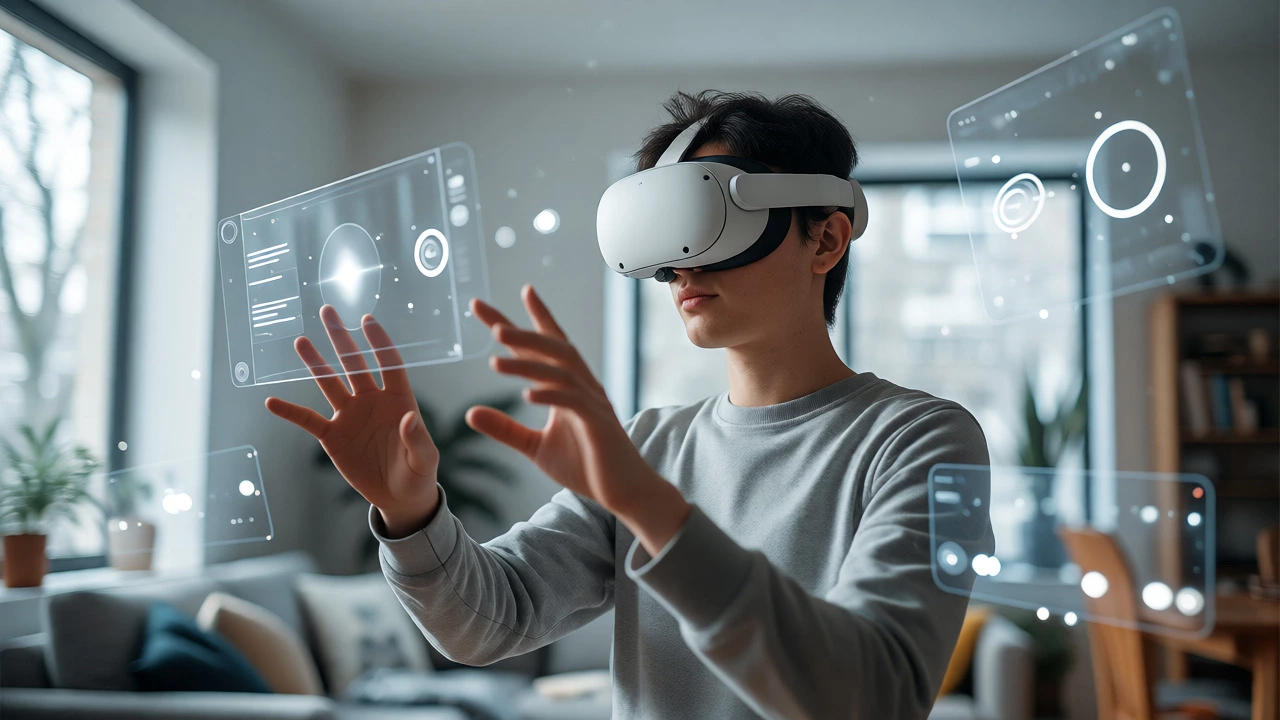
VR Headset Matchmaker
Answer three quick questions to find the "Number 1" VR headset that fits your lifestyle and budget.
Why this choice?
You’re standing in your living room, but you’re actually on a Martian cliff edge. Or maybe you’re dodging zombies in a post-apocalyptic London. The line between where you are and what you see has never been blurrier. But with dozens of headsets hitting shelves every year, picking the right one feels less like shopping and more like defusing a bomb. Is it about resolution? Comfort? Game library? Price?
There isn’t one single "number 1" that fits everyone. If you ask a hardcore gamer, they’ll say something different than a fitness enthusiast or a tech tinkerer. However, as of late 2026, one device consistently dominates sales charts and user satisfaction scores for the average person: Meta Quest 3S is a mixed-reality headset that offers high-end features at an accessible price point, making it the most popular choice for mainstream users. It’s not perfect, but it hits the sweet spot of performance, price, and ease of use that most people actually need.
The Contender That Won the Masses
Why does the Meta Quest 3S hold the crown? It comes down to accessibility. Before this generation, you had to choose between cheap, blurry mobile VR and expensive, tethered PC rigs. The Quest 3S bridges that gap. It runs standalone-no wires dragging across your floor-but it also connects to a gaming PC if you want to play heavy hitters like Half-Life: Alyx.
The display clarity is sharp enough that you stop noticing the pixels after about ten minutes. The passthrough cameras, which let you see your real room without taking the headset off, have improved dramatically. You can mix digital objects into your physical space seamlessly. This mixed-reality capability is no longer a gimmick; it’s a core feature for productivity apps and new types of games.
- Price: Typically around $300 USD (approx. NZ$500), making it low-risk for beginners.
- Ease of Use: Setup takes under five minutes. No base stations to mount on walls.
- Library: Access to thousands of titles via the Meta Horizon Store and Steam Link.
When "Number 1" Means Premium Luxury
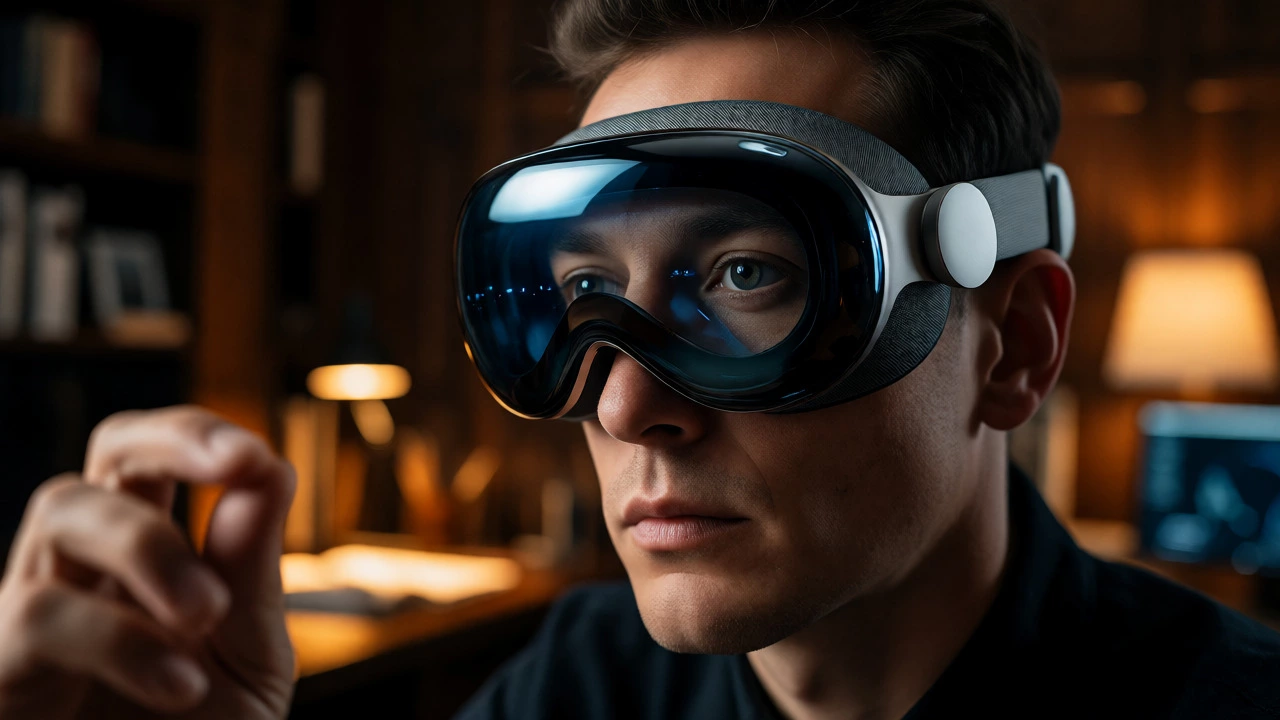
If money is no object and you care about visual fidelity above all else, the conversation shifts to Apple Vision Pro. Released in early 2024 and refined through 2025-2026 updates, this device redefined what spatial computing could be. It’s not technically a "VR headset" in the traditional sense because its primary strength is augmented reality overlays rather than full immersion.
The eye-tracking and hand-gesture controls are magic. You don’t need controllers. You just look at an app and pinch your fingers to select it. The displays are micro-OLED panels with such high pixel density that text looks crisp, not fuzzy. For professionals editing video or designers working in 3D spaces, this is the number 1 tool. But for gaming? It’s still catching up. The game library is smaller, and the weight on your face gets noticeable after an hour.
| Feature | Meta Quest 3S | Apple Vision Pro | Valve Index 2 |
|---|---|---|---|
| Best For | General Users & Gamers | Professionals & Tech Enthusiasts | PC Gaming Purists |
| Approx. Price (USD) | $300 | $3,500+ | $800 (with base stations) |
| Standalone Capability | Yes | No (requires Mac/iPhone ecosystem) | No (requires powerful PC) |
| Display Resolution | High (LCD) | Ultra-High (Micro-OLED) | High (OLED) |
| Tracking Method | Inside-Out Cameras | Eye + Hand Tracking | Outside-In Base Stations |
The PC Gamer’s Choice
Hardcore gamers often argue that wireless headsets compromise quality. They want maximum frame rates and zero latency. For them, the Valve Index 2 remains the gold standard. Valve updated the hardware in 2025, fixing the old screen-door effect and improving audio integration.
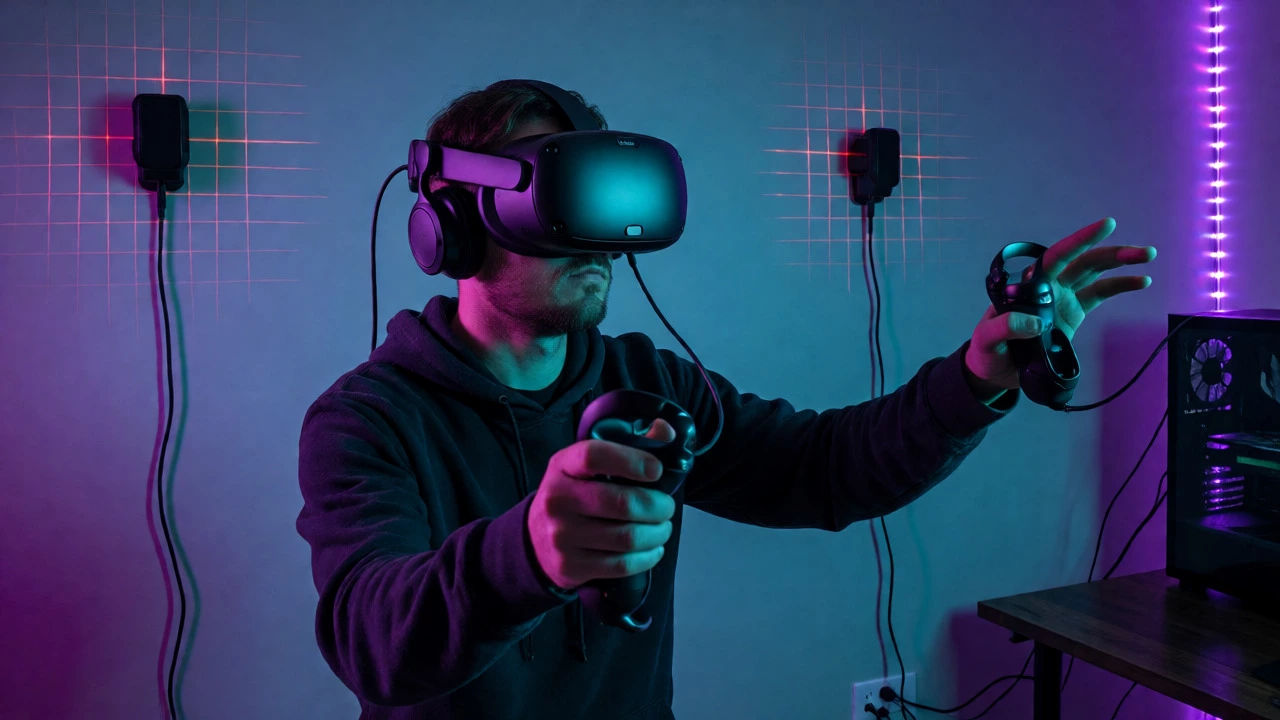
Unlike the Quest, the Index uses external base stations to track your movement. This sounds like a hassle, but it provides incredibly precise tracking, even in complex rooms with lots of furniture. The finger-tracking controllers are unmatched for immersive interaction. Grabbing a virtual apple feels startlingly real when your fingers curl exactly as they do in the game. If you already own a high-end gaming PC with an NVIDIA RTX 4090 or equivalent, this setup delivers the smoothest experience possible.
Don't Ignore the Budget Options
Not everyone wants to spend hundreds of dollars. If you’re buying for kids or just want to try VR once, older models like the Meta Quest 2 are still sold second-hand for very little. While the graphics aren’t as sharp, the library of games is massive. Many classic VR titles were built for this hardware, so you won’t miss out on the best experiences ever made.
Also consider the Pico 4 Ultra. Pico has gained traction by offering lighter designs and better comfort straps than Meta. In regions outside the US, particularly Asia and Europe, Pico often ranks higher due to local content partnerships and competitive pricing. It’s a strong alternative if you find the Meta ecosystem too restrictive.
Key Factors to Decide Your Personal Number 1
To pick the right headset, ignore the marketing hype and focus on three things: your budget, your existing hardware, and your patience for setup.
- Check your PC specs: If you don’t have a dedicated graphics card, forget about tethered headsets like the Valve Index. Stick to standalone units like the Quest 3S.
- Consider your space: Do you have a clear 2x2 meter area? Inside-out tracking (Quest/Pico) works well in small spaces. Outside-in tracking (Index) needs wall-mounted sensors.
- Think about comfort: If you wear glasses, look for headsets with adjustable IPD (interpupillary distance) and lens guards. The Apple Vision Pro includes prescription inserts, which is a huge plus for vision-impaired users.
Software compatibility matters too. Some exclusive titles only run on specific platforms. If you love Beat Saber, it’s on everything. But if you want Asgard’s Wrath 2, you might need a Quest. Always check the store before buying the hardware.
Future-Proofing Your Purchase
Technology moves fast. A headset bought today might feel outdated in two years. However, the current trend is toward mixed reality and AI integration. Newer headsets include depth sensors that allow digital objects to interact realistically with your physical environment. A virtual ball bouncing off your actual couch? That’s becoming standard.
Investing in a mid-range device like the Quest 3S allows you to upgrade later without losing much value. High-end devices depreciate quickly because software optimization improves faster than hardware refresh cycles. Unless you’re a developer or a prosumer, avoid spending over $1,000 unless you specifically need those advanced features.
Ultimately, the "number 1" VR is the one you’ll actually use. A $300 headset sitting in a drawer is worse than a $3,500 headset used daily for work. Match the tool to your lifestyle, and you’ll get the most out of these incredible technologies.
Is VR safe for eyes?
Most health experts agree that moderate VR use is safe for adults. However, children under 12 should limit usage due to developing eyesight. Taking breaks every 30 minutes helps reduce eye strain and motion sickness.
Do I need a powerful computer for VR?
Not anymore. Standalone headsets like the Meta Quest 3S have their own processors and don’t require a PC. Only tethered headsets like the Valve Index need a high-end gaming computer.
Can I wear glasses inside a VR headset?
Yes, most modern headsets have enough space for standard glasses. For better comfort and field of view, many users opt for magnetic prescription lens inserts designed specifically for their headset model.
What is the difference between VR and AR?
VR (Virtual Reality) completely replaces your view with a digital world. AR (Augmented Reality) overlays digital elements onto your real-world view. Mixed Reality (MR) combines both, allowing digital objects to interact with physical surfaces.
How long do VR headset batteries last?
Standalone headsets typically offer 2 to 3 hours of active gameplay. Using a link cable to connect to a PC charges the device while playing, extending session length indefinitely.