Category: Virtual Reality - Page 2
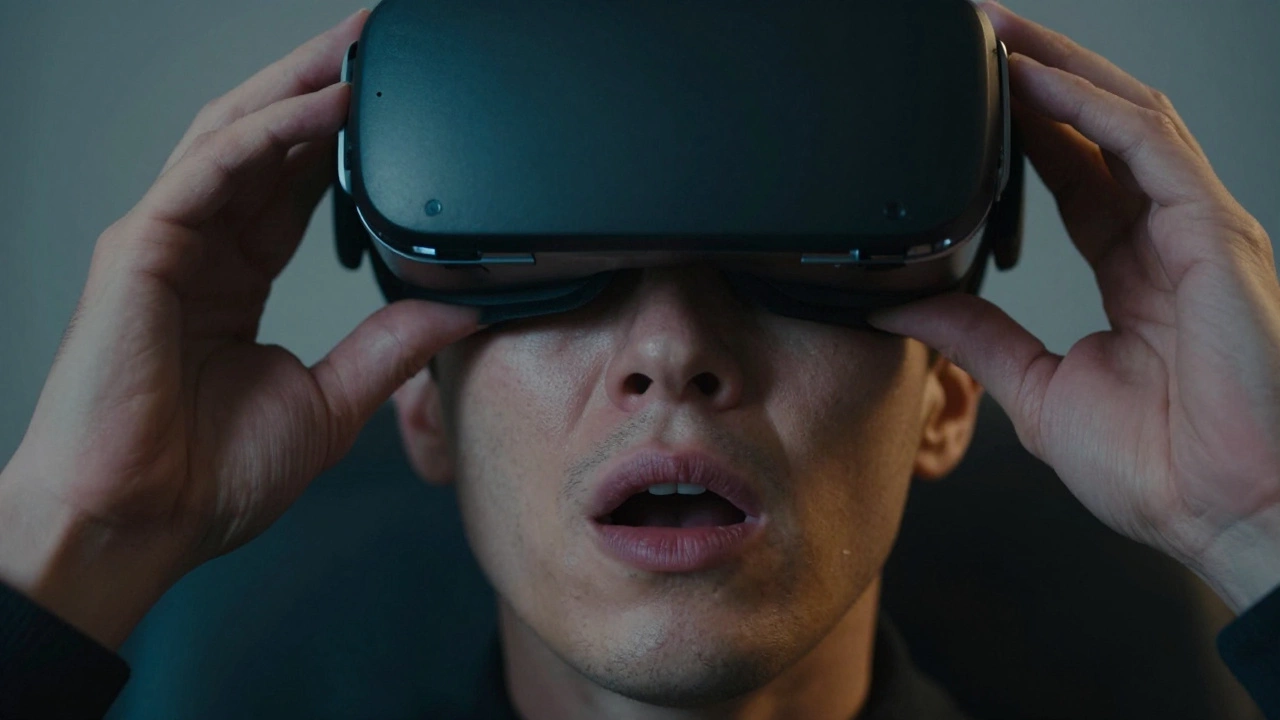
Why Do I Feel Weird After VR? Causes of Virtual Reality Sickness and How to Fix It
Feeling sick after VR? Learn about sensory conflict, latency, and motion mechanics causing cybersickness. Discover practical tips to reduce nausea and build tolerance.
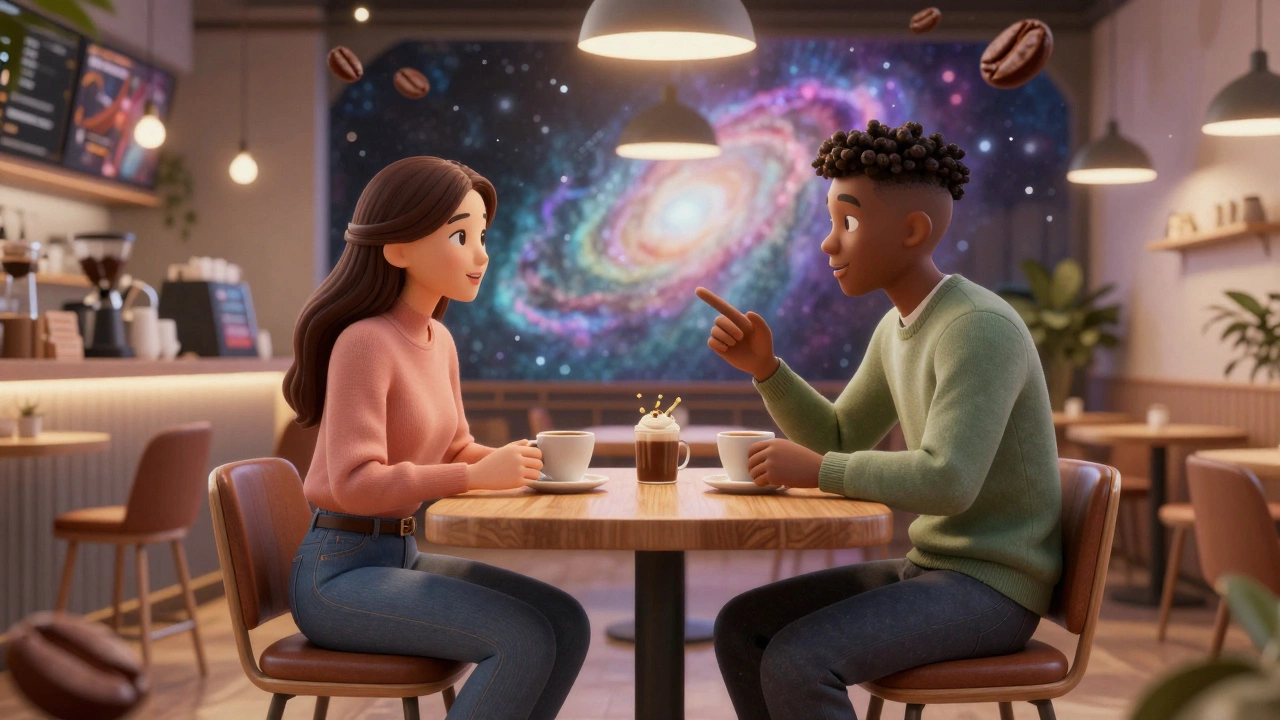
How People Use VR: Real-World Applications and Trends in 2026
Explore how people actually use virtual reality in 2026, from immersive gaming and social hubs to surgical training and mental health therapy.
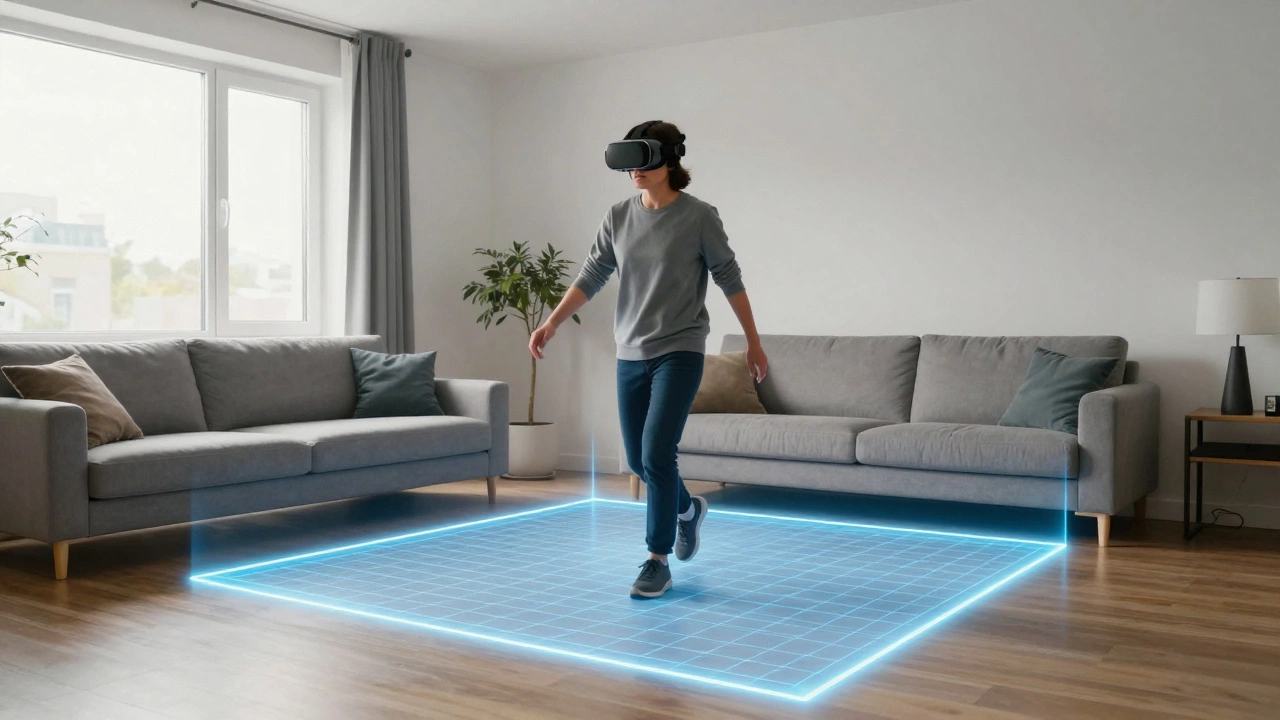
Walking in Virtual Reality: How it Works and Best Ways to Move
Can you actually walk in VR? Discover the difference between room-scale movement, artificial locomotion, and omnidirectional treadmills to avoid motion sickness.
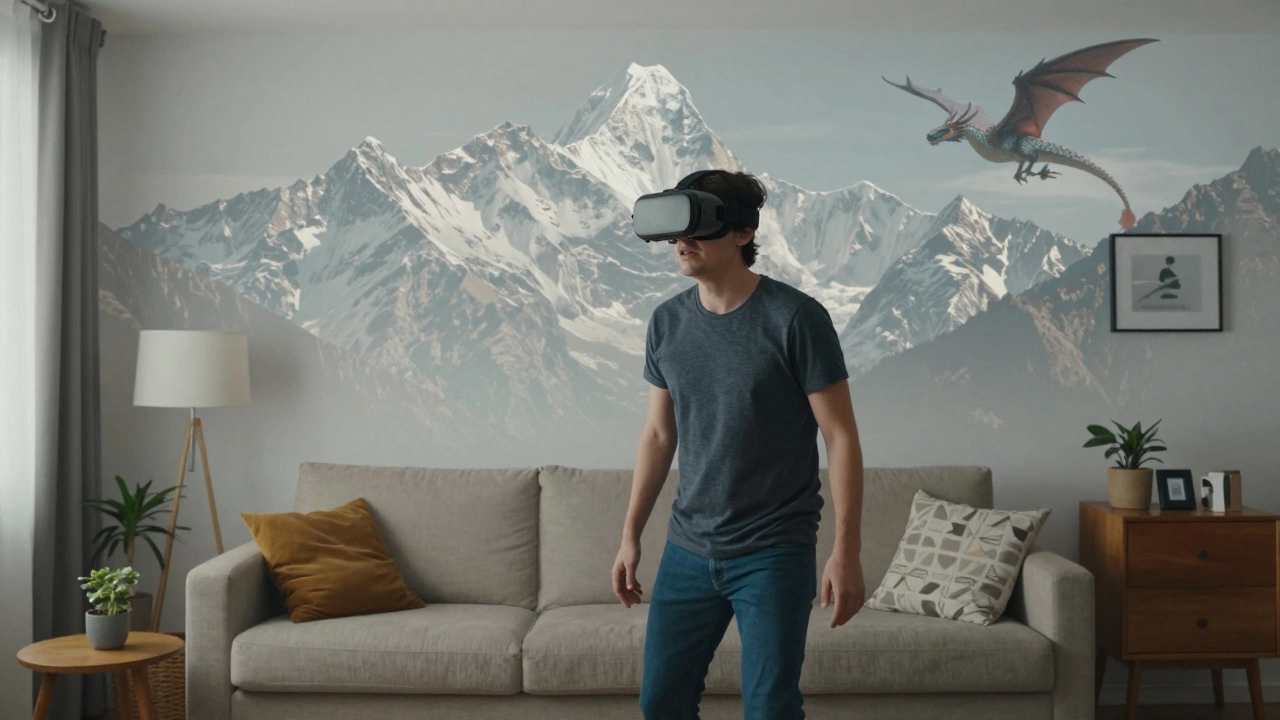
The Real Downsides of Virtual Reality: What's Holding VR Back?
Explore the real weaknesses of Virtual Reality, from motion sickness and bulky hardware to the tactile gap and social isolation. Find out why VR isn't perfect yet.
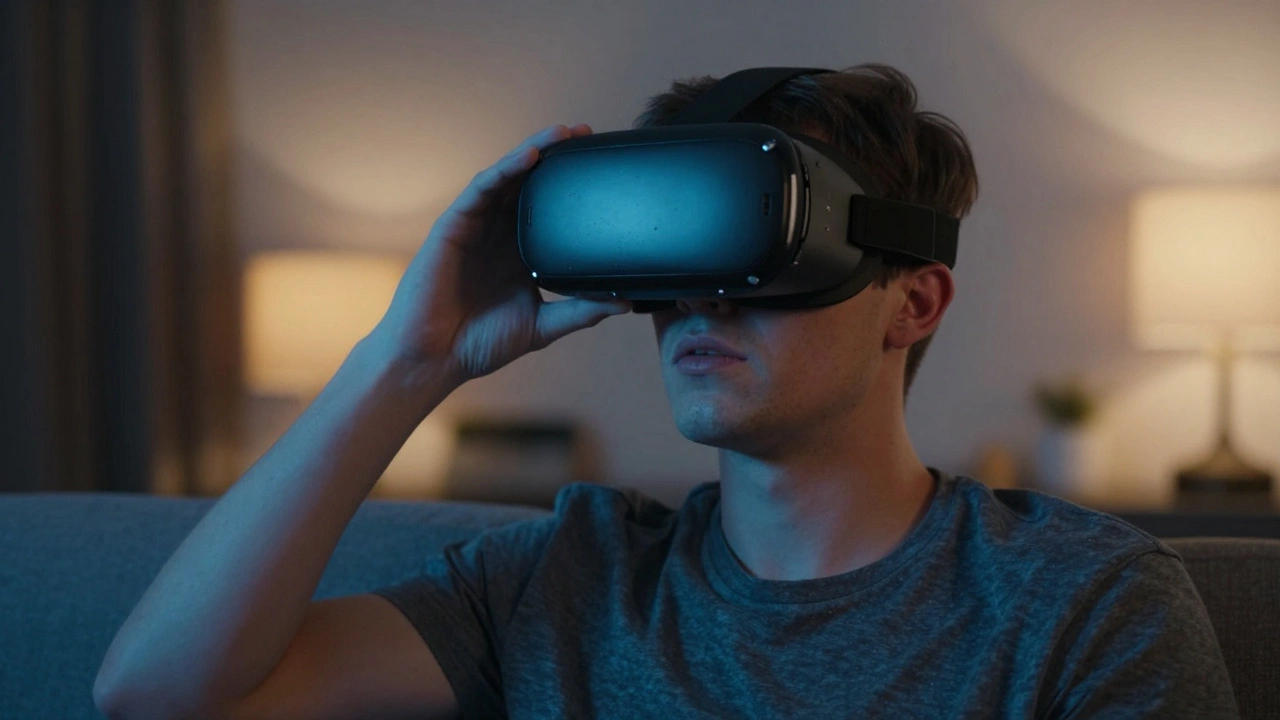
Why Do You Feel Weird After Virtual Reality? Understanding Cybersickness
Explore the causes of VR sickness and learn quick fixes for nausea and dizziness after using headsets.
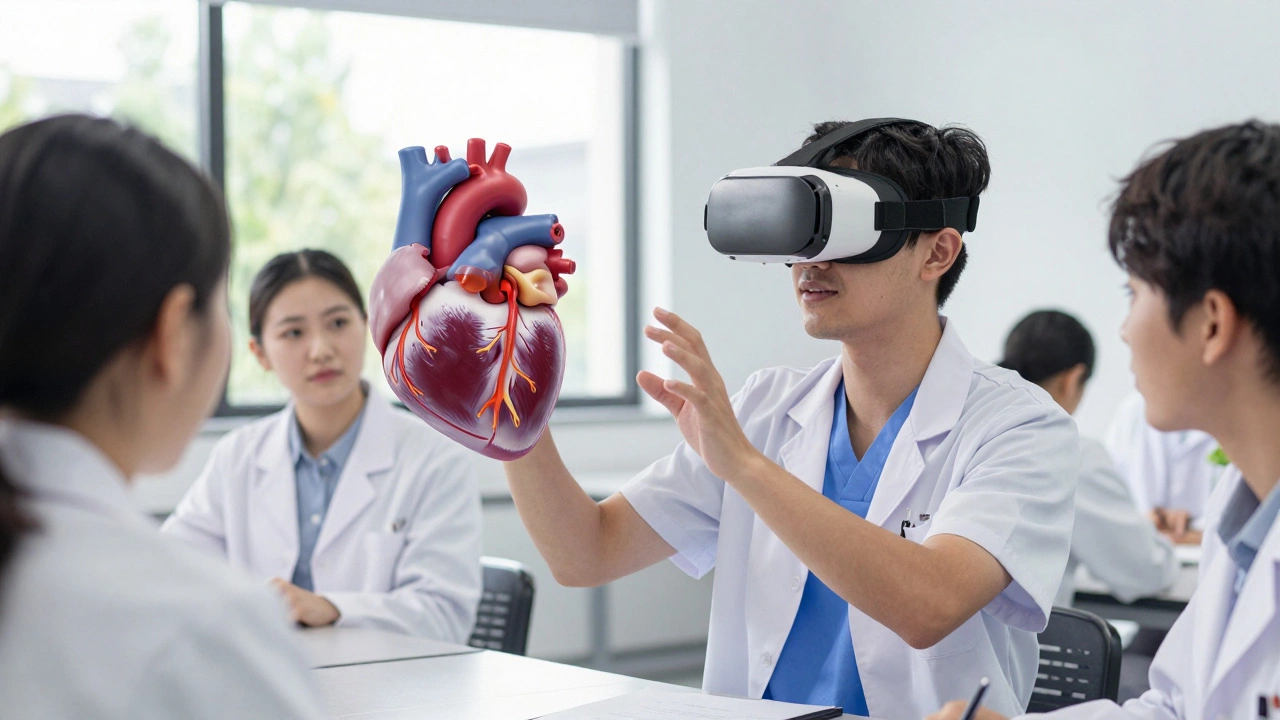
What Does VR Allow You to Do? Real Uses of Virtual Reality Today
Virtual reality in 2026 isn't just for gaming-it's transforming education, healthcare, work, and how we connect. From training surgeons to helping veterans cope with PTSD, VR offers real, measurable benefits you can experience today.
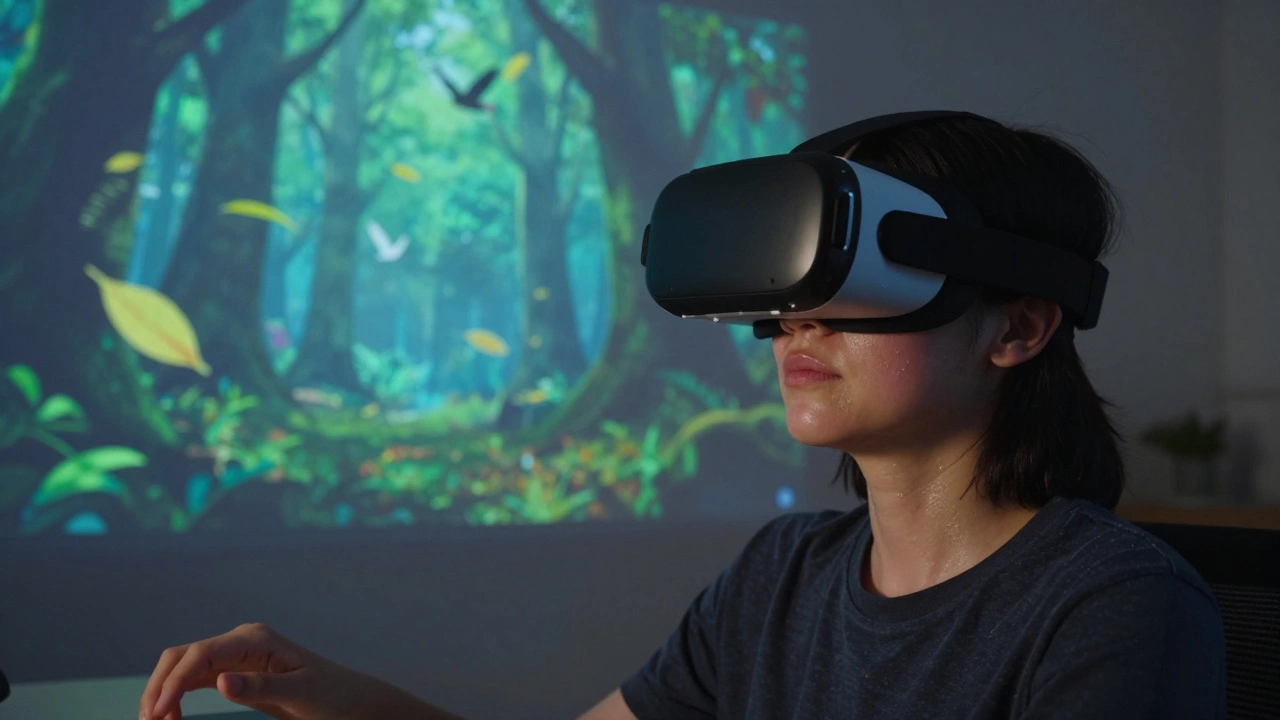
Why Do I Feel Sick After Using VR? The Real Reasons and How to Fix It
Feeling sick after using VR is common and caused by a mismatch between what your eyes see and what your body feels. Learn why it happens, who’s most affected, and how to reduce or eliminate the symptoms with simple, proven tips.
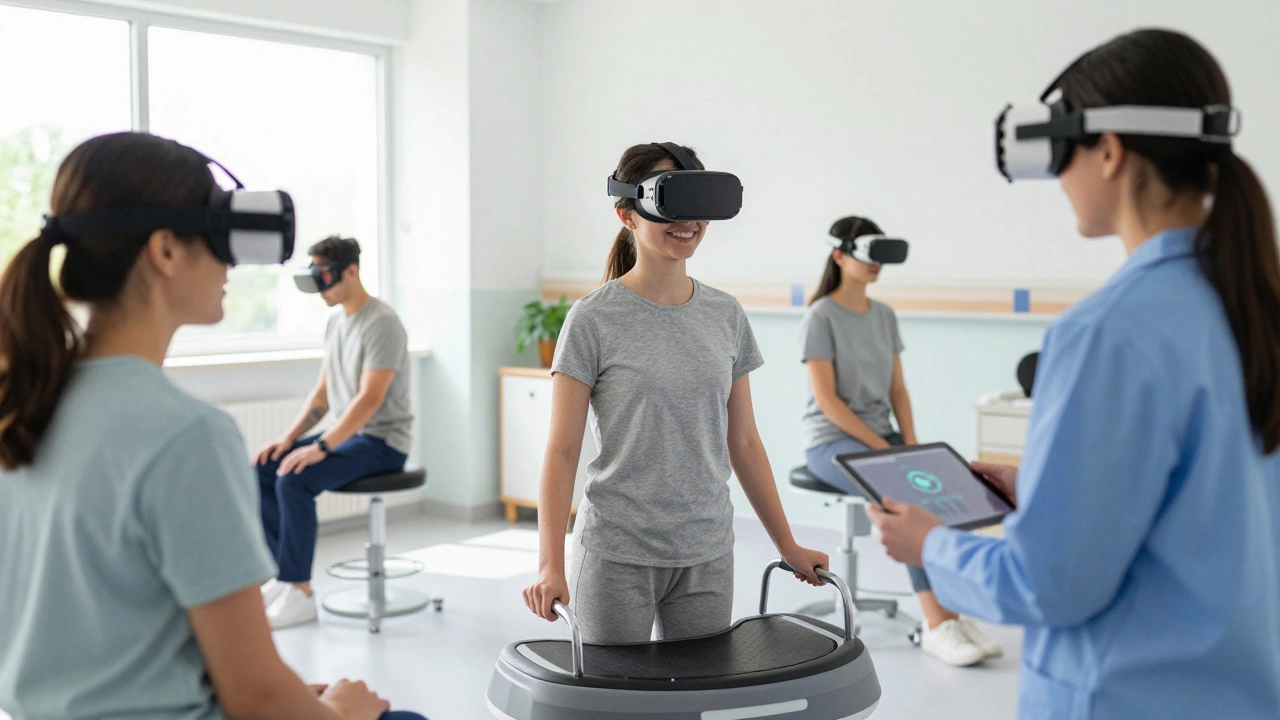
Is VR losing popularity? Here's what's really happening in 2026
VR isn't dying - it's growing up. Sales have stabilized, not crashed, as VR finds real uses in fitness, therapy, and training. Forget the metaverse hype - today's VR works because it solves actual problems.
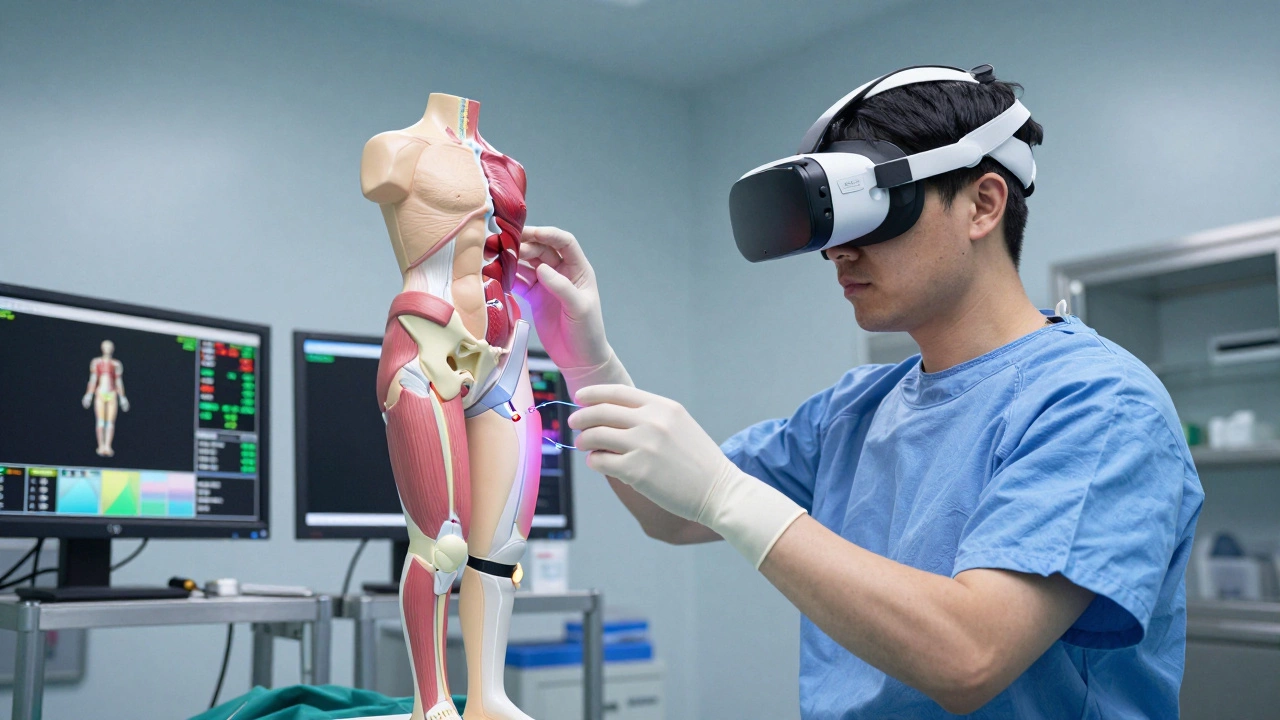
What Is VR Most Commonly Used For in 2026?
VR is used far beyond gaming in 2026-from surgical training and mental health therapy to virtual classrooms and real estate tours. Discover the top real-world applications changing how we learn, heal, and work.
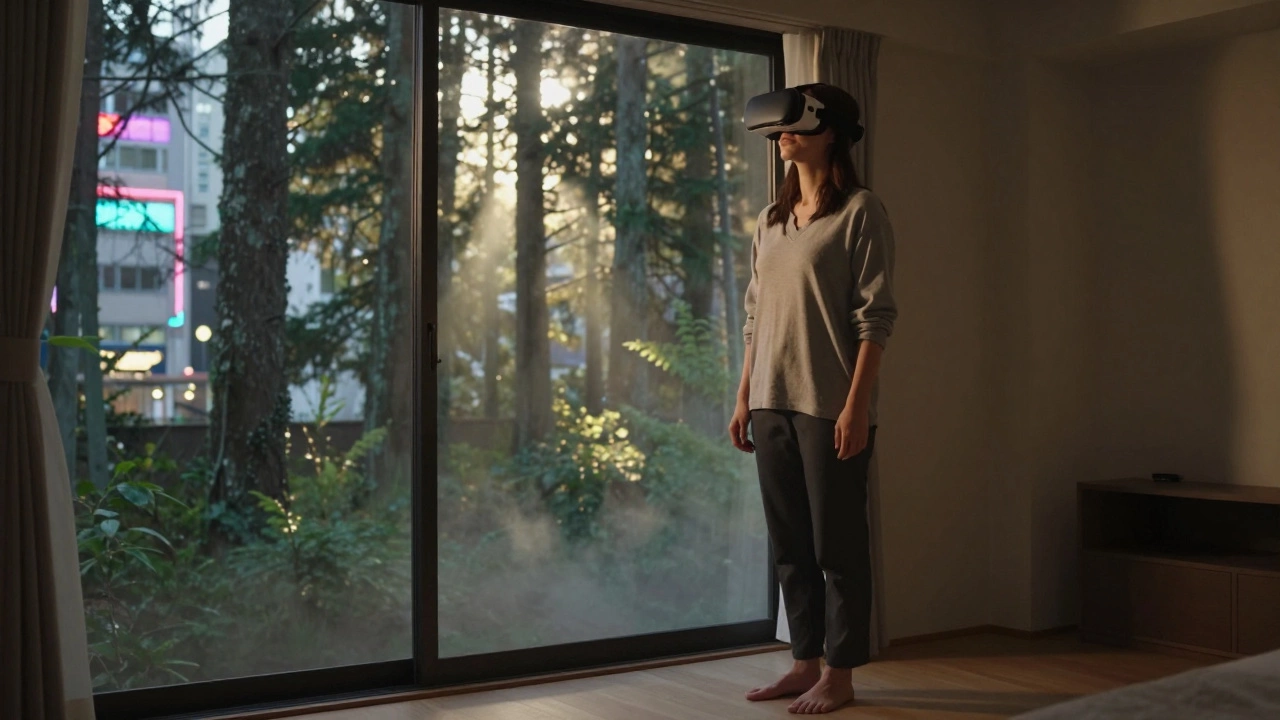
Why Do People Use VR? Real Reasons Behind the Headset Boom
People use VR not just for games, but to heal, learn, create, and connect. From therapy to remote family time, virtual reality is changing how we experience the world - one headset at a time.
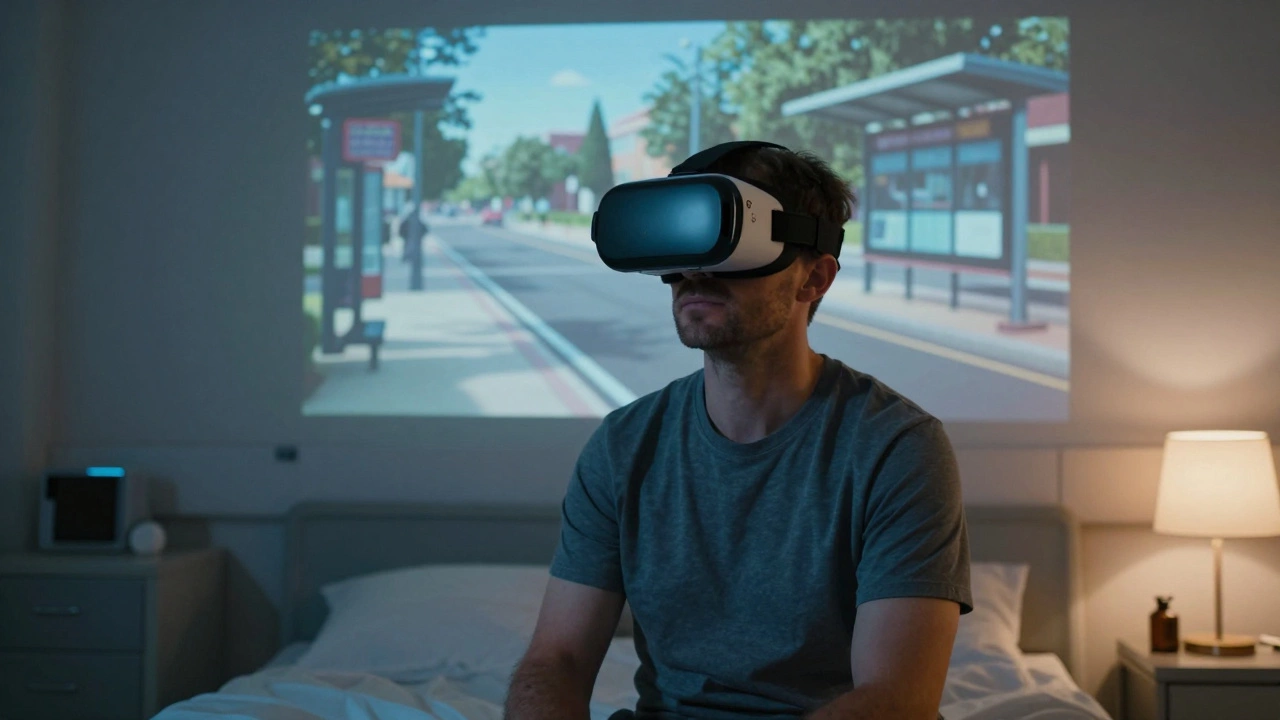
How VR Helps Humans in Everyday Life
Virtual reality is transforming mental health, physical rehab, education, and social connection. From helping veterans with PTSD to letting kids explore the human heart, VR isn't just tech-it's therapy, teaching, and healing in action.
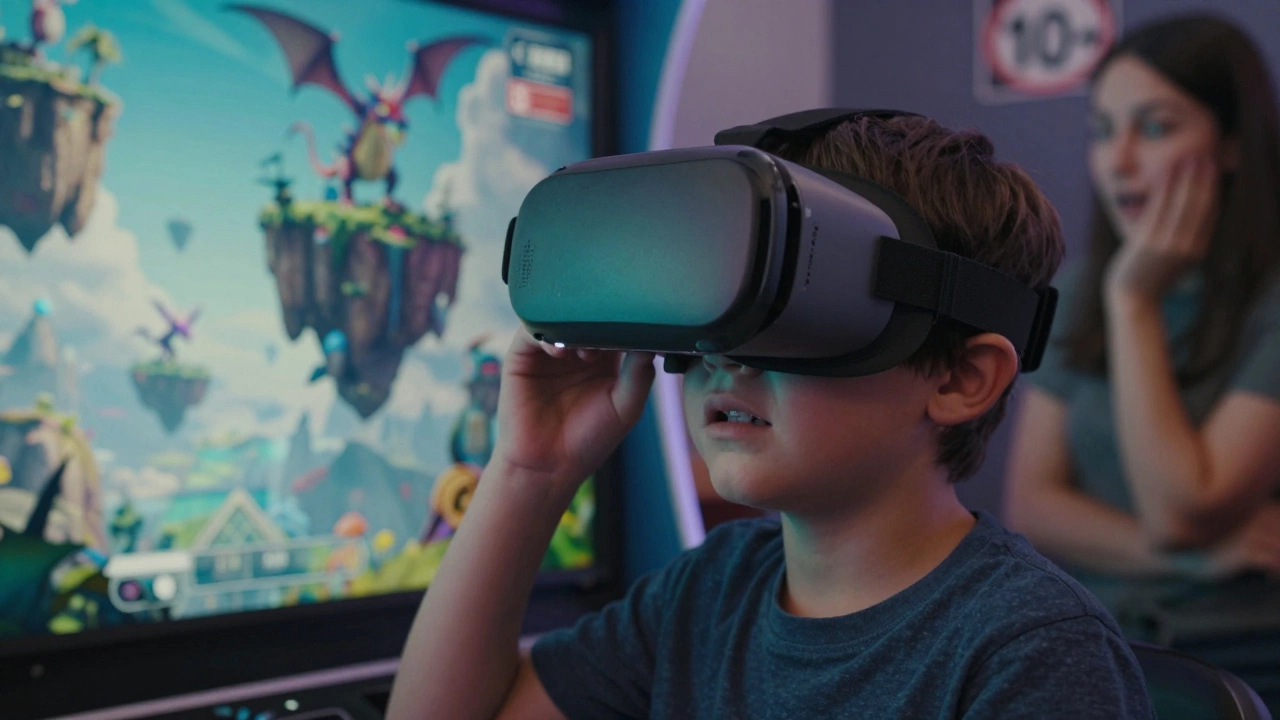
What Is the Age Limit for VR Experience? Essential Rules for Kids, Teens, and Adults
VR age limits exist for safety - not just rules. Learn why most headsets require users to be 13+, what risks younger kids face, and how to safely introduce VR to teens and older adults.